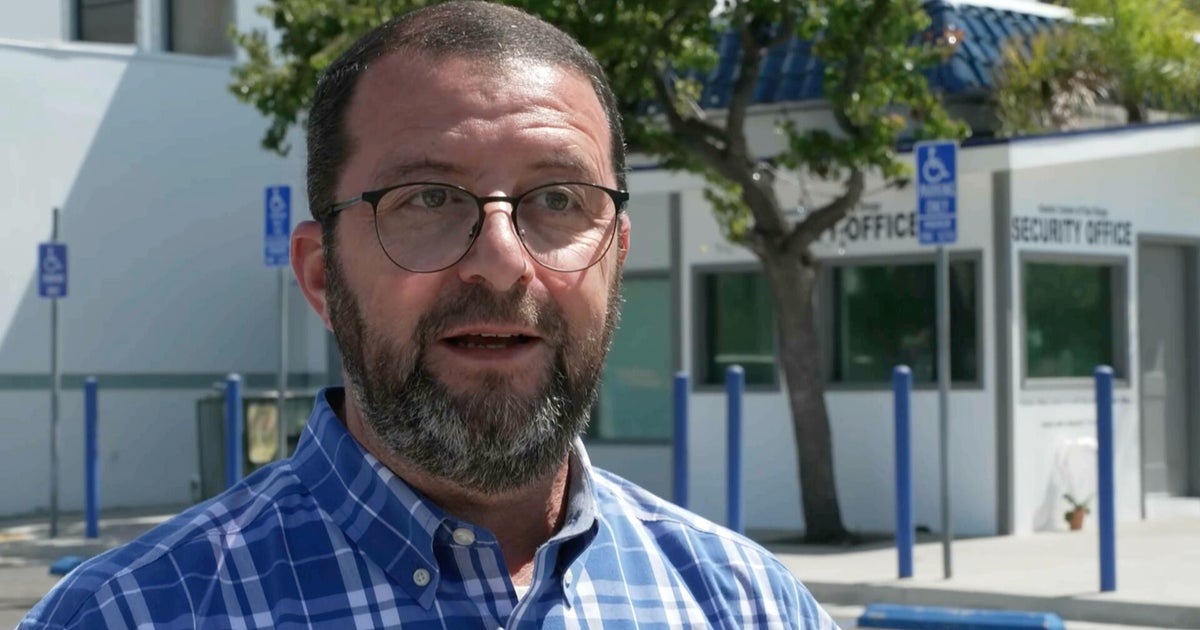
San Diego’s Muslim community is grappling with a surge in Islamophobia and anti-Muslim sentiment, according to Taha Hassane, director of the Islamic Center of San Diego, following a shooting at the mosque on Monday. The incident has reignited concerns about hate crimes targeting religious minorities in the United States, prompting calls for greater awareness and action from local leaders and advocacy groups.
Hassane, who has served as the mosque’s imam for over a decade, described the rise in hostility as “alarming” in recent years, noting a pattern of verbal harassment, vandalism, and online threats that have intensified since 2020. While exact figures for hate incidents in San Diego remain unverified, national data from the Anti-Defamation League (ADL) shows a 61% increase in anti-Muslim hate crimes across the U.S. Between 2020 and 2023, with California consistently ranking among the top states for such incidents.
The shooting at the Islamic Center of San Diego—where three individuals were killed—has further exposed vulnerabilities in protecting places of worship. Local law enforcement, including the San Diego Police Department (SDPD), has confirmed the investigation into the attack is ongoing, with officials emphasizing the need for community vigilance. Meanwhile, civil rights organizations are urging federal intervention to address systemic biases in law enforcement responses to hate crimes.
Rising Islamophobia: A National and Local Crisis
Islamophobia in the U.S. Has evolved beyond physical violence to include systemic discrimination in housing, employment, and education. A 2023 report by the Civil Rights Education and Enforcement Center (CREEC) highlighted how Muslim Americans—particularly those from South Asian, Arab, and African descent—face disproportionate scrutiny under counterterrorism policies. In San Diego, where a diverse Muslim population of over 100,000 residents lives, local leaders say the lack of cultural competency training for police and educators exacerbates the problem.

“The rhetoric we see online and in public discourse directly translates into real-world harm,” Hassane said in a statement following the shooting. “It’s not just about the attacks; it’s about the erosion of trust in institutions that should protect us.” While Hassane did not provide specific examples of recent incidents in San Diego beyond the shooting, similar cases have been documented nationwide, including arson attacks on mosques in Texas and New York in 2024.
YouTube video tribute by Imam Taha Hassane to the shooting victims:
Community Response and Advocacy
In the wake of the shooting, interfaith coalitions in San Diego have mobilized to support Muslim residents. The City of San Diego’s Office of Human Relations announced a $50,000 grant to fund security upgrades for local mosques, while the California Muslim Council is organizing a series of town halls to discuss hate crime prevention. Nationally, the Muslim Public Affairs Council (MPAC) has called for the passage of the No Hate Act, a proposed federal law aimed at strengthening penalties for hate crimes and improving law enforcement training.
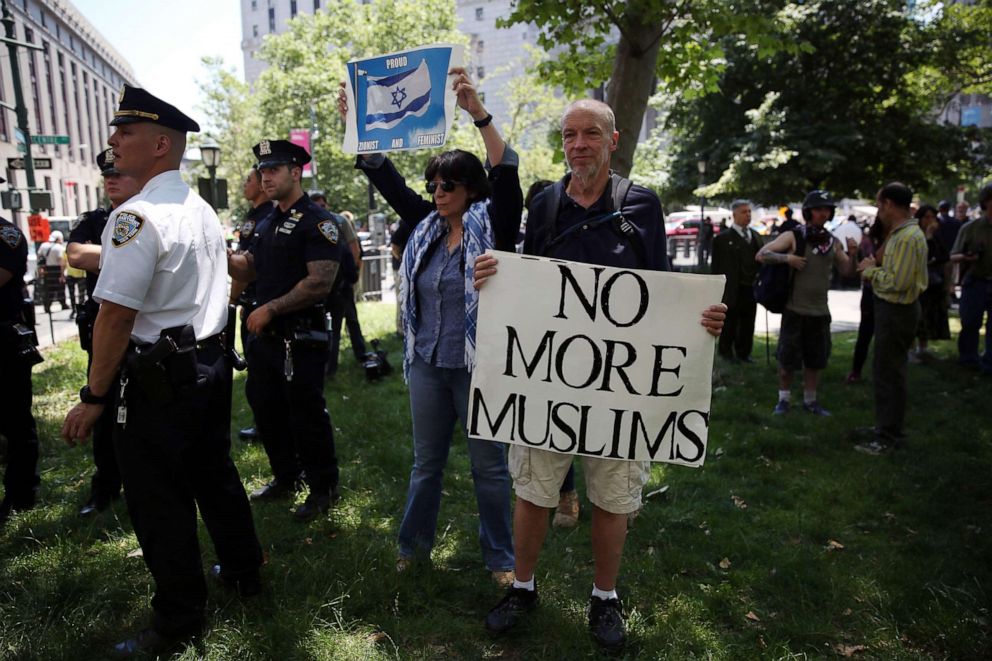
Despite these efforts, challenges remain. A 2025 survey by the Pew Research Center found that 40% of Muslim Americans reported experiencing discrimination in the past year, with younger generations citing social media as a primary driver of hostility. In San Diego, where the Muslim population is one of the fastest-growing in the state, local officials are under pressure to balance security measures with the preservation of open, inclusive public spaces.
Next Steps: What Happens Now?
The investigation into Monday’s shooting remains active, with the FBI’s San Diego field office leading the federal response. The Islamic Center of San Diego has scheduled a memorial service for May 25, inviting community leaders and faith representatives to attend. Meanwhile, the California State Legislature is expected to vote on the Hate Crimes Accountability Act by June 1, which would require mandatory reporting of bias-motivated incidents by all law enforcement agencies in the state.
For those seeking to support Muslim communities in San Diego, the following resources are available:
- San Diego Office of Human Relations – Reporting hate incidents and accessing community support.
- California Muslim Council – Legal aid and advocacy for hate crime victims.
- Muslim Public Affairs Council (MPAC) – National advocacy and policy updates.
Why This Matters: The Broader Context
The rise in Islamophobia is not isolated to San Diego or even the U.S. Global trends, including the United Nations’ 2023 World Report on Racism, highlight how hate speech and discrimination against Muslims have surged in post-pandemic societies, fueled by political polarization and misinformation. In the U.S., the Brennan Center for Justice has warned that the lack of federal hate crime legislation leaves local communities vulnerable to underreporting and inadequate responses.

For San Diego’s Muslim community, the path forward requires both immediate safety measures and long-term cultural shifts. As Hassane emphasized, “This is about more than one tragic day. It’s about rebuilding trust in a society that claims to value diversity.” The coming months will be critical in determining whether local and national efforts can translate into lasting protection for religious minorities.
Key Takeaways
- The Islamic Center of San Diego has experienced a rise in Islamophobia, culminating in a deadly shooting on May 19, 2026.
- National data shows a 61% increase in anti-Muslim hate crimes in the U.S. Since 2020, with California as a hotspot.
- Local and federal responses include security grants, town halls, and proposed legislation like the No Hate Act.
- 40% of Muslim Americans reported discrimination in 2025, with social media identified as a key driver of hostility.
- The FBI and SDPD are investigating the shooting, while a memorial service is planned for May 25.
As this story develops, we will continue to monitor updates from law enforcement, civil rights organizations, and local leaders. Your insights and experiences are valuable—share your thoughts in the comments below or contact us at [email protected].
Related reading