
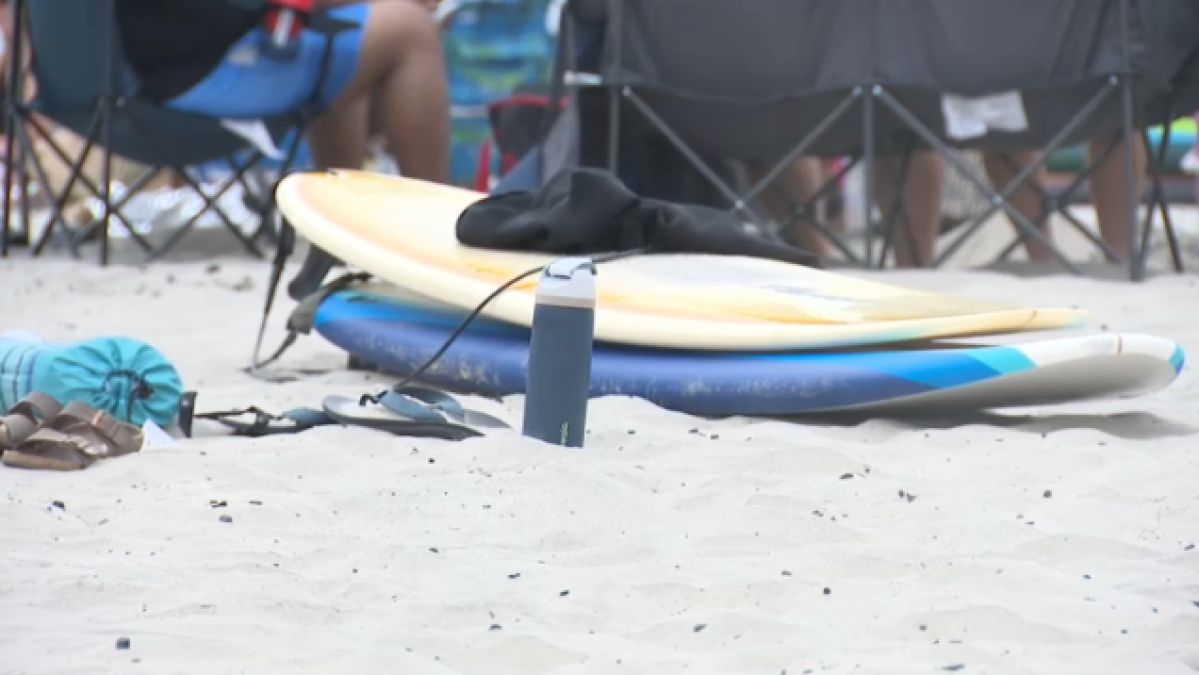
Law enforcement officials are warning beachgoers and surfers in San Diego to be vigilant following a series of vehicle thefts and associated credit card fraud targeting individuals at popular coastal locations. The San Diego Regional Auto Theft Task Force (RATT) has reported that suspects have been monitoring surfers in areas such as Pacific Beach, La Jolla, and Bird Rock, waiting for them to enter the water before stealing their vehicles and personal belongings.
According to investigators, these criminal operations involve suspects who have been observed disguising themselves as fishermen to watch victims hide their keys and leave their vehicles. Once the surfers are offshore, the perpetrators use the stolen keys to take the vehicles and then travel to nearby retail locations, where they use stolen credit cards to make fraudulent purchases. The San Diego Regional Auto Theft Task Force, which can be reached at (858) 627-4000, is currently investigating these incidents and has successfully apprehended several suspects linked to the recent crime spree.
Modus Operandi of Coastal Vehicle Thieves
The investigation highlights a calculated approach by thieves who exploit the predictable routines of beachgoers. By posing as casual observers or fishermen, suspects are able to track where surfers stash their keys—often under wheel wells or in other common hiding spots—before committing grand theft auto. Once the vehicle is secured, the thieves frequently move quickly to local retailers to maximize the use of stolen debit and credit cards before the victims realize their items have been compromised.
Local surfers have expressed a sense of violation regarding these incidents. Robert De Pau, a regular visitor to the La Jolla coastline, noted that he previously fell victim to such a theft, which resulted in unauthorized transactions totaling $800 at a retail store. Another surfer, Sydney Chang, described the experience of being targeted as deeply unsettling, noting that the feeling of being watched while securing one’s vehicle is a significant concern for the community.
Preventative Measures and Law Enforcement Guidance
Authorities emphasize that leaving keys hidden on or near a vehicle is a primary vulnerability. Investigators advise that the most effective way to prevent these thefts is to keep keys on one’s person, even while in the water, using waterproof pouches or specialized aquatic key holders. For those who remain concerned about vehicle security, the use of a physical lock box—which can be secured to the vehicle chassis—is recommended as a deterrent against unauthorized entry.
The task force’s recent operations have led to the recovery of stolen vehicles, keys, and significant quantities of merchandise purchased with stolen funds. Despite these recoveries, investigators maintain that there may be additional victims who have not yet come forward. Lance Osborn, a local surfer, urged others to be more cautious, noting that the brazen nature of these thefts requires a shift in how beachgoers protect their property.
Reporting Incidents and Future Actions
The San Diego Regional Auto Theft Task Force continues to monitor the Pacific Beach and La Jolla corridors for suspicious activity. If you have been a victim of a similar theft, officials request that you file a formal police report immediately. Early reporting is essential for tracking fraudulent credit card activity and increasing the likelihood of recovering stolen property.

As the investigation remains active, the task force has not announced specific dates for upcoming hearings or additional arrests, but they continue to urge the public to remain alert. Residents and visitors are encouraged to report any suspicious behavior near parked vehicles to local law enforcement. For direct assistance or to report information related to these ongoing investigations, contact the Regional Auto Theft Task Force at (858) 627-4000.