
In the beating heart of Cali, Colombia, where the colonial past meets the rapid pulse of a modernizing metropolis, a silent conversation is beginning to take shape among historians, urban planners, and local citizens. At the center of this dialogue is the Plaza de San Francisco Cali, a space that serves not just as a transit point, but as a profound witness to the architectural and social evolution of the Valle del Cauca department.
For many, the plaza is inseparable from the silhouette of the Iglesia de San Francisco. As one of the city’s most significant heritage icons, the church stands as a testament to the complex cultural layers of the region. However, as urban density increases and the climate challenges of the 21st century become more pressing, a growing movement is calling for a transformation: a vision of a renovated, green, and “human-centric” plaza that honors its history while serving the needs of a contemporary population.
This aspiration for renewal is more than a matter of aesthetics; it is a debate about the soul of Cali’s historic center. The call to transition the Plaza de San Francisco from a traditional concrete thoroughfare into a lush, pedestrian-friendly sanctuary reflects a global trend in urbanism—one that prioritizes ecological health and human connection over mere vehicular efficiency.
The Architectural Sentinel: The San Francisco Church
To understand why the revitalization of the surrounding plaza is so critical, one must first look at the anchor of the site: the Iglesia de San Francisco. The church is widely recognized as a cornerstone of Cali’s cultural identity, distinguished by its unique architectural nuances that set it apart from the standard colonial structures found throughout Latin America.
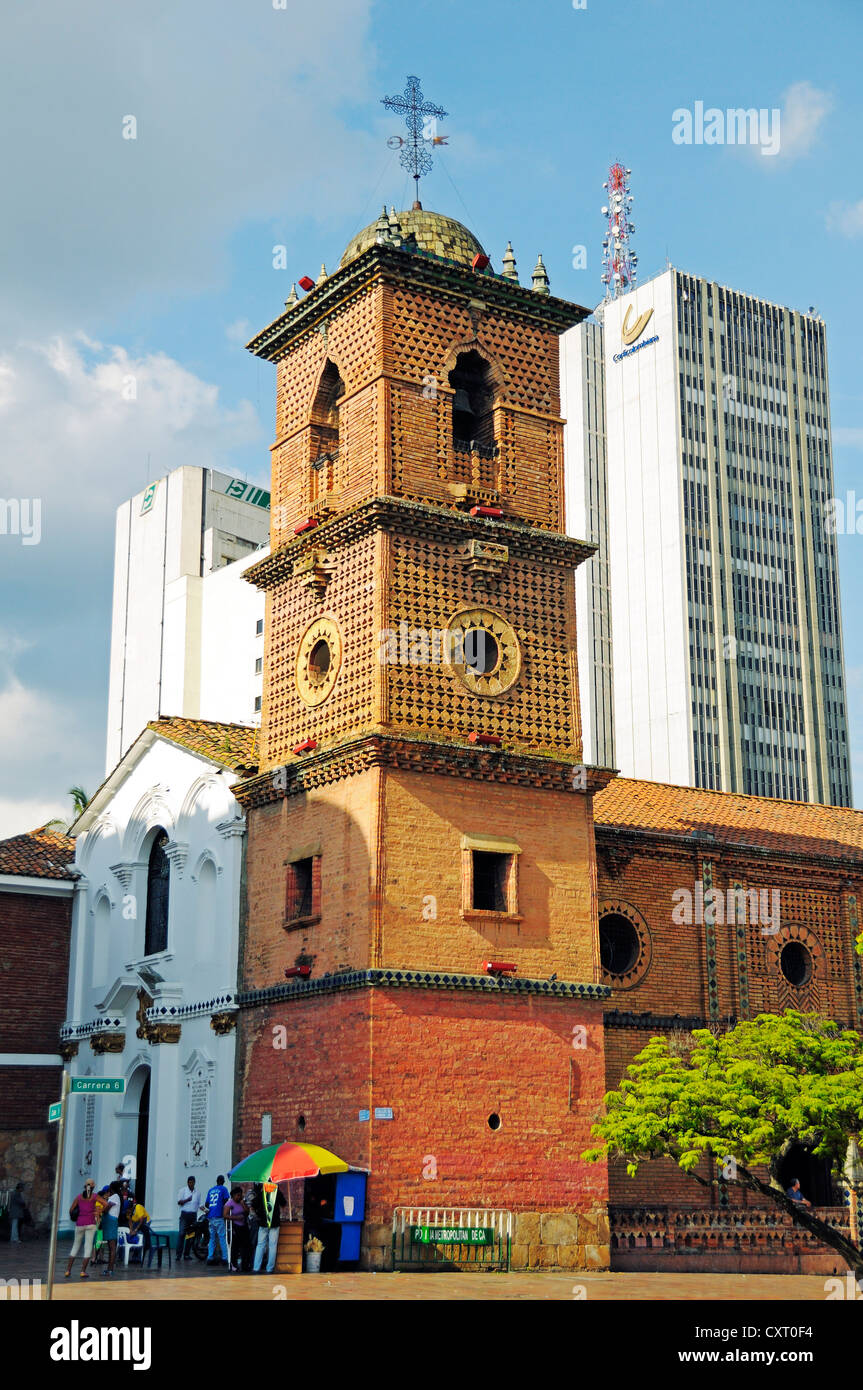
The most striking feature of the complex is its Mudéjar-style tower. This architectural element, which reflects the influence of Moorish design within Spanish colonial traditions, provides a visual link to the diverse cultural currents that shaped the Americas. The intricate details of the tower serve as a reminder of the craftsmanship and historical depth that the city’s heritage sites represent.
Preserving such a landmark requires more than just maintaining the physical structure of the church; it requires a respectful management of its immediate environment. Urban historians often argue that a monument’s significance is intrinsically tied to its “setting”—the space in which it breathes. When a historic church is crowded by unplanned commercial sprawl or heat-trapping pavement, its ability to inspire awe and connection is diminished.
A Vision for “Green and Human” Urbanism
The core of the current community sentiment is a desire for a “humanized” plaza. In urban planning terms, this refers to a shift toward pedestrian-oriented design, where the priority is moved from the movement of cars to the movement and well-being of people. The vision for the Plaza de San Francisco involves several key components:
- Increased Canopy Cover: Integrating native tree species to combat the “urban heat island” effect, which is particularly intense in tropical cities like Cali.
- Permeable Surfaces: Replacing vast stretches of non-porous concrete with materials that allow rainwater to reach the soil, reducing runoff and supporting local biodiversity.
- Pedestrian Prioritization: Creating wide, safe walkways that encourage walking, social interaction, and the enjoyment of street life without the constant intrusion of heavy traffic.
- Cultural Integration: Designing spaces that can host cultural events, markets, and gatherings, thereby reinforcing the plaza’s role as a social hub.
This “green” approach is not merely a luxury; it is a response to the environmental realities facing Colombian cities. By introducing more vegetation and reducing hardscapes, the city can naturally regulate local temperatures and improve air quality, making the historic center a more viable place for both residents and tourists to linger.
The Economic and Social Stakes of Revitalization
The revitalization of a central landmark like the Plaza de San Francisco carries significant weight for Cali’s socio-economic landscape. A well-maintained, attractive historic center acts as a magnet for cultural tourism, which in turn supports local businesses, from traditional eateries to artisanal vendors.
the “humanization” of the plaza has direct social implications. Public spaces are the “living rooms” of a city. When these spaces are safe, clean, and aesthetically pleasing, they foster a sense of civic pride and community belonging. For the residents of Cali, a renovated plaza offers a rare opportunity for cross-cultural encounter in a space that feels both historic and forward-looking.
However, the path to such a transformation is rarely simple. It requires a delicate balance between heritage conservation and modern utility. Planners must ensure that any new greenery or pedestrian infrastructure does not obscure the visibility of the San Francisco Church or interfere with the structural integrity of the surrounding historical buildings.
Key Challenges in Urban Heritage Management
| Feature | Traditional Urban Model | Proposed “Green/Human” Model |
|---|---|---|
| Primary Focus | Vehicular throughput and commerce | Pedestrian well-being and ecology |
| Surface Material | Concrete and asphalt | Permeable paving and soil beds |
| Temperature Control | Minimal (Heat retention) | Active (Shade and evapotranspiration) |
| Social Function | Transit and quick-stop retail | Leisure, culture, and community |
Navigating the Future of Cali’s Historic Core
As the conversation around the Plaza de San Francisco evolves, the role of municipal governance becomes paramount. For a vision of a “green and human” plaza to move from a dream to a reality, it requires coordinated action between the Alcaldía de Cali, heritage protection agencies, and the local community.
The success of such an endeavor depends on transparent planning and meaningful public consultation. Residents and business owners in the historic center must be part of the design process to ensure that revitalization does not lead to displacement, but rather to inclusive growth that benefits all stakeholders.
While the architectural majesty of the Mudéjar tower provides a window into Cali’s past, the way the city chooses to treat its plazas will define its future. Whether the Plaza de San Francisco becomes a modern ecological sanctuary or remains a transit-heavy concrete space is a decision that will echo through the city’s history for decades to come.
Key Takeaways
- Cultural Anchor: The Iglesia de San Francisco and its Mudéjar tower are central to Cali’s identity and require a sensitive urban environment.
- Urban Concept: The “human-centric” movement seeks to prioritize pedestrians and greenery over vehicular traffic.
- Environmental Impact: Transitioning to green spaces can mitigate urban heat and improve local climate resilience.
- Economic Potential: Revitalized historic centers can drive cultural tourism and support local commerce.
The next step in this urban evolution will likely depend on upcoming municipal budget allocations and urban development filings from the Cali city government. We will continue to monitor official announcements regarding heritage site management in the Valle del Cauca.
What do you think about the future of Cali’s historic center? Should cities prioritize green spaces over traffic efficiency? Share your thoughts in the comments below and share this article with your network.
Keep reading