
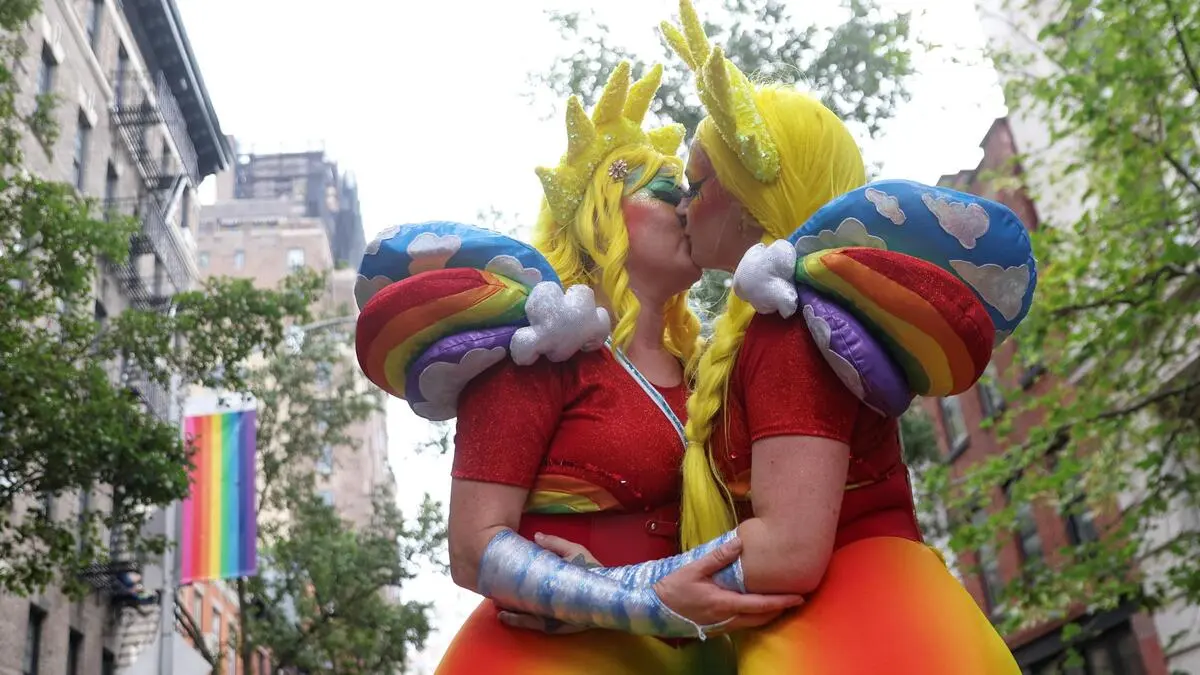
Tens of thousands of participants gathered in New York City and San Francisco this past weekend to mark the annual Pride celebrations, drawing massive crowds that filled city streets for parades advocating for LGBTQ+ rights and visibility. These events, which serve as both a commemorative historical observance and a contemporary demonstration of community strength, saw hundreds of thousands of spectators line the routes in both major American cities, according to local officials and event organizers.
In San Francisco, the festivities maintained long-standing traditions, with the parade famously led by the “Dykes on Bikes” motorcycle contingent, a group that has served as the vanguard of the city’s Pride march for decades. Meanwhile, in New York City, the event continued its status as one of the largest Pride gatherings in the world, with participants navigating a route that stretched through the heart of Manhattan. Both events provided a platform for advocacy, social connection, and the celebration of LGBTQ+ history in the United States.
San Francisco Pride: A Legacy of Advocacy
The San Francisco Pride parade remains a cornerstone of the city’s cultural identity. According to the San Francisco Pride organization, the event is designed to celebrate the progress made in civil rights while acknowledging the work that remains. The presence of the “Dykes on Bikes” at the front of the procession is not merely ceremonial; it represents a historical commitment to visibility that dates back to the movement’s origins in the 1970s.

Local law enforcement and city officials managed the significant influx of visitors, coordinating security measures to ensure public safety along the parade route. While precise attendance figures often fluctuate, the scale of the turnout reflects the enduring significance of the event for both local residents and tourists who travel to the Bay Area specifically for the celebration. The event concluded with festivities at Civic Center Plaza, where community organizations and non-profits maintained booths to provide resources and support to the public.
New York City: Scale and Global Impact
New York City’s Pride march is historically significant as a commemoration of the 1969 Stonewall Uprising, which is widely recognized as the catalyst for the modern gay rights movement. The NYC Pride organization coordinates a vast array of events throughout the month, culminating in the march that draws participants from across the globe. The scale of the event requires extensive logistical planning, involving the New York City Police Department and various city agencies to manage the transit and safety of hundreds of thousands of attendees.

Beyond the celebratory atmosphere, the march serves as a high-profile venue for political discourse. Participants frequently use the route to highlight current legislative challenges, ranging from healthcare access to anti-discrimination protections. For many attendees, the event is an opportunity to engage with advocacy groups that operate year-round to influence public policy and community welfare.
Comparing Traditions and Logistics
While both New York and San Francisco host massive Pride events, they each carry distinct cultural signatures shaped by their respective histories. San Francisco’s Pride is often noted for its deep ties to the radical activism of the 1970s and 80s, while New York’s event is inextricably linked to the site of the Stonewall Inn, now a National Monument. The following table highlights the structural similarities between these two major urban demonstrations:
| Feature | San Francisco Pride | New York City Pride |
|---|---|---|
| Historical Hook | West Coast movement origins | Stonewall Uprising (1969) |
| Lead Contingent | Dykes on Bikes | Diverse community groups |
| Primary Focus | Visibility and community | Advocacy and remembrance |
What Happens Next for Pride Organizers
For both organizations, the conclusion of the June parade marks the start of planning for the subsequent year, as well as the continuation of year-round community outreach. According to statements released by both the NYC Pride and San Francisco Pride leadership teams, the focus remains on maintaining the financial stability of the non-profit operations that sustain these large-scale events.

Future updates regarding permit applications, route planning, and theme announcements for the following year typically become available via official organizational portals in early spring. Residents and visitors interested in participating or volunteering are encouraged to monitor these official websites for the most accurate information regarding upcoming board meetings and public forums. As the national conversation regarding LGBTQ+ rights continues to evolve, these organizations remain the primary points of contact for information regarding community safety and political engagement efforts.
Comments and community reflections on this year’s events can be shared through the official social media channels of the respective Pride organizations, which serve as the primary hubs for post-event documentation and community feedback.