
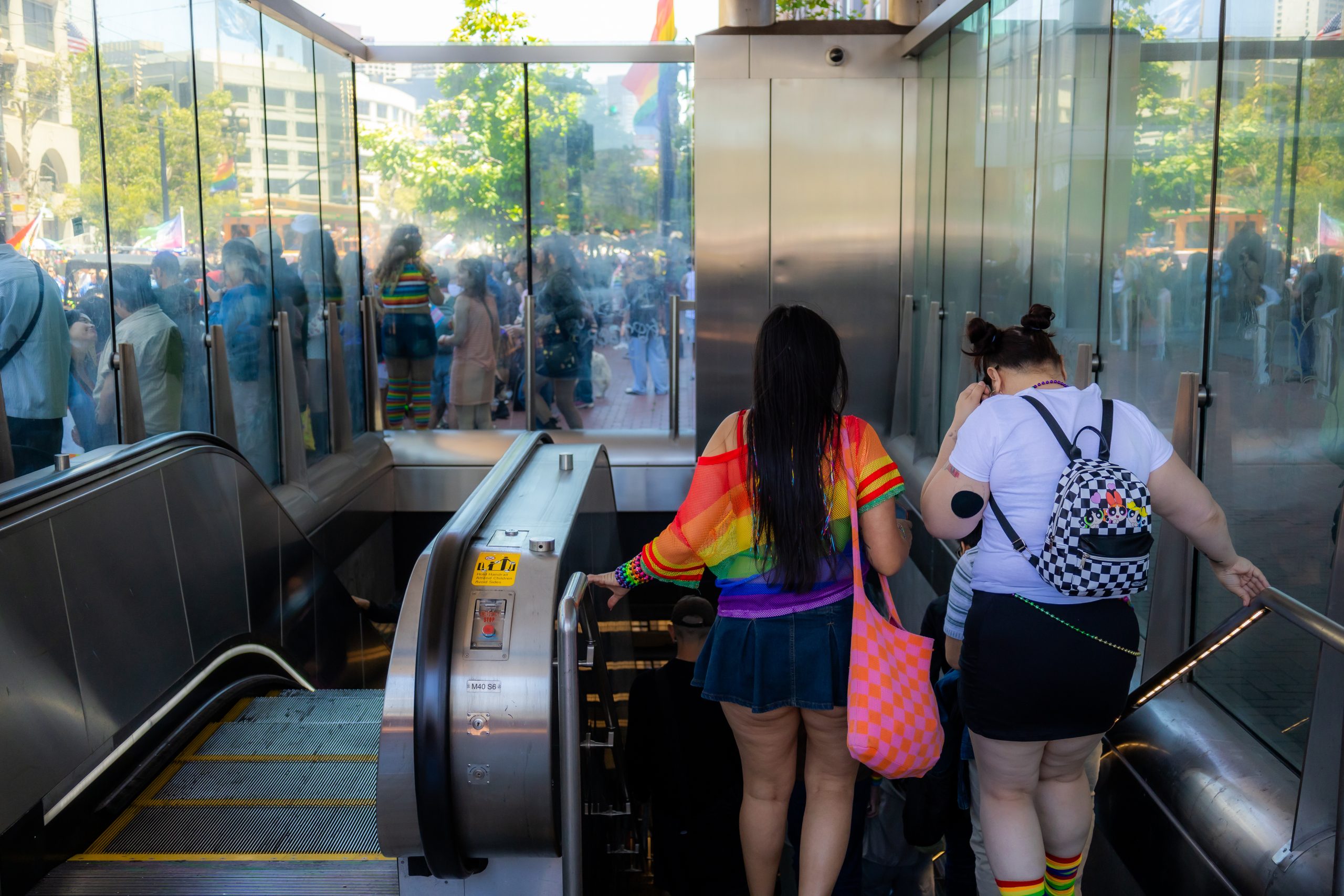
San Francisco Pride Concludes Weekend Marked by Massive Celebrations and Political Protests
San Francisco’s annual Pride celebrations concluded this weekend, following a period characterized by both large-scale community festivities and intense political demonstrations. While the main parade drew hundreds of thousands of participants, the weekend was defined by a tension between celebratory events and organized protests regarding LGBTQ+ rights and transgender protections.
The festivities, which serve as a major cultural and economic driver for the city, featured a mix of traditional parades and more politically charged marches. According to local reports, the weekend functioned as a “loudest, proudest exhale” for the community following a period of heightened activism and social friction.
Why did San Francisco Pride feature intense political protests?
The San Francisco Pride celebrations took place against a backdrop of significant legislative challenges facing the LGBTQ+ community across the United States. Participants utilized the platform to voice opposition to various bills and policies targeting gender-affirming healthcare and transgender rights. The San Francisco Chronicle reported that the theme of “resistance in action” was prevalent throughout the weekend, as activists sought to transform the celebration into a call for political mobilization.

Protesters focused on the impact of restrictive legislation in other states and the potential for similar policy shifts at the federal level. This political atmosphere shifted the tone of several events from purely celebratory to overtly activist. Organizers and participants expressed that the visibility provided by the parade was essential for maintaining momentum in legal and social battles regarding civil rights protections.
What was the police response to the Trans March?
The San Francisco Trans March, a significant component of the Pride weekend, drew substantial crowds and required a notable law enforcement presence. The Bay Area Reporter noted that the march ended with a large police response, though specific details regarding the nature of the interactions were centered on crowd management and security protocols in response to the high-profile nature of the event.

The increased visibility of law enforcement during the Trans March reflected the heightened security concerns often associated with demonstrations involving sensitive political topics. While the march served as a vital space for transgender visibility, the presence of the San Francisco Police Department (SFPD) underscored the complexities of managing large-scale, politically charged gatherings in an urban environment.
How many people attended the San Francisco Pride Parade?
Attendance figures for the San Francisco Pride Parade reached into the hundreds of thousands, according to various local news outlets. The influx of visitors contributed significantly to the activity in the city’s various neighborhoods, particularly in the areas surrounding the parade route. The scale of the turnout highlights the continued importance of San Francisco as a global hub for LGBTQ+ culture and visibility.
The massive attendance also presented logistical challenges for the city, including increased demand for public transportation and heightened pressure on local businesses. Despite the political tensions observed during certain marches, the primary parade remained a massive display of community solidarity and cultural expression.
| Feature | Celebratory Elements | Protest/Activist Elements |
|---|---|---|
| Primary Focus | Community visibility and joy | Legislative resistance and rights advocacy |
| Key Events | Main Pride Parade, community festivals | Trans March, political rallies |
| Atmosphere | Festive, high-energy, celebratory | Urgent, political, “Resistance in Action” |
| Primary Concerns | Cultural representation and tourism | Transgender rights and healthcare access |
What is the impact of these demonstrations on the LGBTQ+ community?
The dual nature of this year’s Pride weekend—combining celebration with intense political resistance—reflects a broader trend within the LGBTQ+ movement. Analysts suggest that as legislative scrutiny of queer identities increases, community celebrations are increasingly becoming sites of political engagement. The “resistance” theme observed in San Francisco is part of a larger national effort to link cultural visibility with direct political action.

For many participants, the ability to celebrate in a public space remains a hard-won right that must be defended through continuous activism. The intersection of the Trans March and the main parade highlights the specific focus on transgender rights as a central pillar of current LGBTQ+ advocacy efforts.
Community leaders and organizers are expected to transition from these weekend demonstrations to ongoing advocacy work. Following the conclusion of the Pride festivities, many local organizations will focus on legislative monitoring and community support services to address the ongoing legal challenges facing the community.
The next scheduled checkpoint for community advocacy will involve local legislative sessions and upcoming civil rights hearings focused on healthcare access and protections. Please share your thoughts on this weekend’s events in the comments below and share this article with your network.