San Jose Faces Lawsuit Over Extensive License Plate Reader Surveillance
San Jose, California is facing a legal challenge over its widespread use of Automated License Plate Readers (ALPRs). A coalition led by the Council on American-Islamic Relations – San Francisco Bay Area (CAIR-SFBA) and SIREN (Services, Immigrant Rights and Education Network) filed a lawsuit this week, alleging the city’s surveillance program violates both the U.S. and California constitutions. The suit argues the city’s practices infringe upon essential privacy rights.
A City Under Watch: The Scale of Surveillance
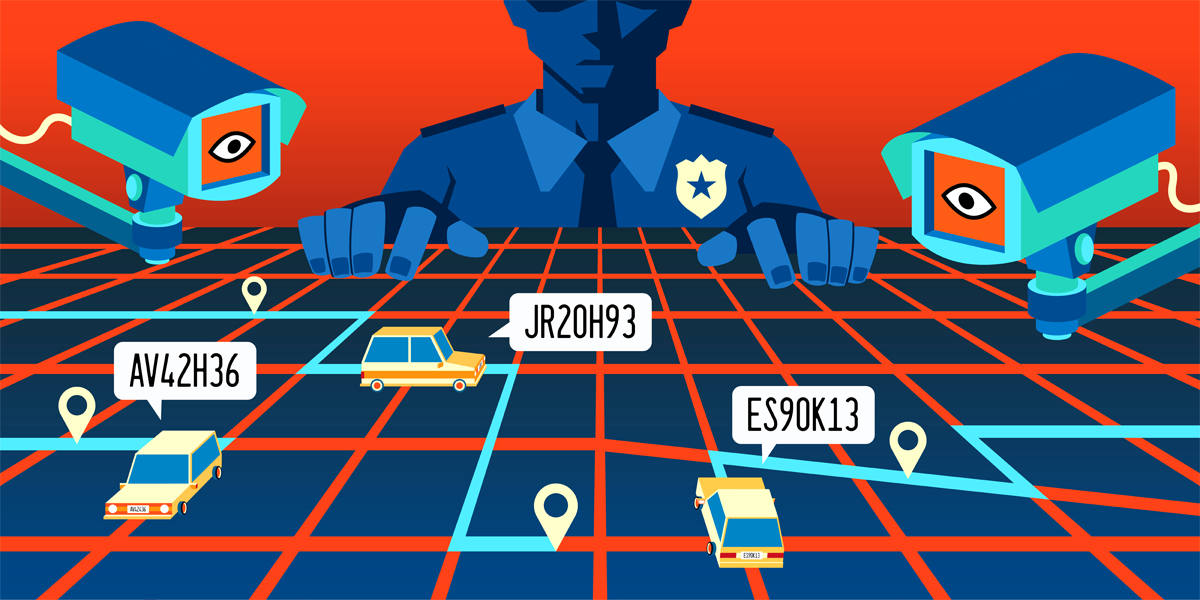
The San Jose Police Department (SJPD) has quietly deployed nearly 500 ALPR cameras throughout the city. These cameras automatically scan and record the license plates of virtually every vehicle that passes, creating a massive database of location data. This data is then retained and searchable by law enforcement.
The Core of the Legal Challenge: warrantless Searches
The lawsuit centers on the SJPD’s practice of searching this ALPR data without obtaining a warrant first. Plaintiffs argue this constitutes an unreasonable search, violating the Fourth Amendment of the U.S. Constitution.
Furthermore, the California Constitution offers even stronger protections for location privacy. Specifically, Article I, Section 13 prohibits unreasonable searches, while Article I, Section 1 guarantees the right to privacy.The lawsuit contends San Jose’s program directly contradicts these protections.
Why this Matters to You: Privacy and Freedom of Movement
This case isn’t simply about technology; it’s about fundamental rights.As Zahra Billoo, Executive Director of CAIR-SFBA, explains, “This is not just about data or technology – it’s about power, accountability, and our right to move freely without being watched.”
Here’s what’s at stake for you:
* Your Location Data: ALPRs track your movements, even when you’re simply going about your daily life.
* Potential for Profiling: Communities already facing heightened scrutiny – like Muslim communities and immigrant populations – are especially vulnerable to abuse of this technology.
* Chilling Effect: Knowing you are constantly being monitored can stifle free expression and assembly.
Concerns for Immigrant Communities
The lawsuit also highlights the potential for misuse of ALPR data in collaboration with Immigration and Customs Enforcement (ICE). Huy Tran, Executive Director of SIREN, emphasized this concern. “The right to privacy is one of the strongest protections that our immigrant communities have,” he stated.”We need to guard against a surveillance state, particularly when we have seen other cities or counties violate laws that prohibit collaborating with ICE.”
The Demand: A Warrant Requirement
The plaintiffs are asking the court to require the SJPD to obtain a warrant before searching ALPR data. This would ensure that law enforcement has a legitimate reason, reviewed by a judge, before accessing your location details. This simple rule, they argue, is crucial to protecting the privacy rights of all San Jose residents.
Resources for Further Information
* Full Complaint: https://sls.eff.org/technologies/automated-license-plate-readers-alprs
* U.S. Supreme Court Case Law (Carpenter v. United States): https://www.oyez.org/cases/2017/16-402
* California Constitution – Article I, Section 13: [https://leginfo.legislature.ca.gov/faces/codes_displaySection.xhtml?lawCode=CONS§ionNum=SEC.%2013.&article=I](https://leg
Keep reading