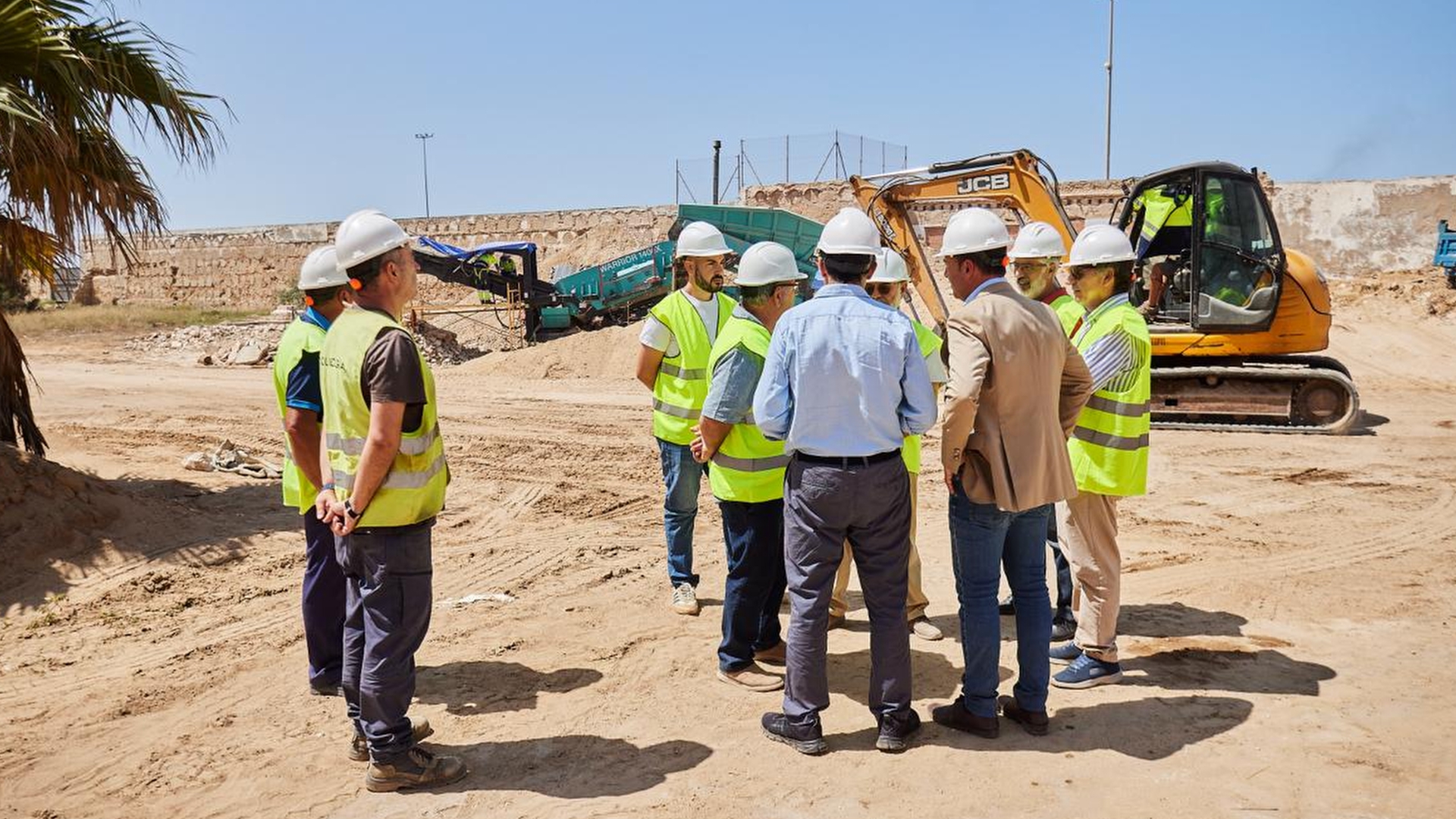
The municipal cleanup and excavation work at the historic San Jose Cemetery in Cadiz has reached 25 percent completion, marking a significant milestone in the long-term urban transformation of the site into a public green space. Local authorities confirmed the current progress rate as heavy machinery and specialized archaeological teams continue the meticulous process of recovering and relocating historical remains from the former burial ground.
Mayor Bruno Garcia recently inspected the ongoing operations at the site to evaluate the pace of the transformation project and review compliance with municipal heritage guidelines. The intervention at the San Jose Cemetery represents a complex infrastructural undertaking designed to reclaim a substantial urban footprint for community use while ensuring proper and respectful handling of the historical elements buried within the grounds.
Urban planning documents from the Cadiz City Council outline that the future park will introduce vital recreational amenities and open ecological zones to the surrounding neighborhoods. City officials have emphasized that the restructuring of the cemetery grounds aligns with broader municipal strategies to increase green infrastructure and improve public space ratios across densely developed urban districts.
Project Scope and Execution Timeline
The 25 percent completion mark signifies that initial clearance, structural assessment, and the first phase of systematic exhumation have progressed according to the technical schedule established by the municipal contracting department. Specialized technicians operating under archaeological supervision are managing the extraction process, ensuring that historical records and human remains are documented and handled in strict accordance with Andalusian mortuary regulations.
Municipal engineers supervising the site note that the complexity of the terrain requires methodical pacing rather than rapid excavation. Because the San Jose Cemetery holds decades of local history, every phase of the vacating process must balance modern urban development demands with the preservation of historical dignity. The ongoing works involve soil stabilization, environmental remediation of the former burial plots, and the careful separation of inert construction materials from organic deposits.
Urban Transformation and Community Impact
The conversion of the San Jose Cemetery into a public park addresses long-standing neighborhood requests for enhanced recreational infrastructure. Local resident associations and community groups have monitored the project’s evolution, advocating for accessible green spaces that honor the historical context of the land while serving contemporary demographic needs.
According to municipal reports published by the Cadiz City Council, the future park design incorporates pedestrian pathways, native landscaping, shaded seating areas, and modern urban drainage systems. City planners project that the completed facility will function as a central gathering point, bridging distinct urban zones that have historically been separated by the walled cemetery perimeter.
Next Steps and Official Oversight
The Cadiz municipal government will continue monitoring the excavation phases as contractors push toward the 50 percent completion threshold. Technical committees meet regularly on-site to review archaeological findings and ensure that environmental compliance standards remain strictly enforced throughout the duration of the civil works.
Residents seeking further details on the project schedule, municipal zoning changes, and upcoming public consultation periods can access official documentation through the Cadiz City Council Transparency Portal. City hall has committed to releasing updated construction milestones as structural landscaping begins following the conclusion of the excavation phase.
Related reading