Morelia, Mexico – The historic center of Morelia, a UNESCO World Heritage site, is renowned for its stunning pink cantera architecture. Rising above the cityscape is the Templo de San José, a testament to three centuries of faith, artistic endeavor, and urban evolution. Completed in 2015, its designation as a World Heritage site further cemented its status as one of Michoacán state’s most treasured landmarks. This baroque masterpiece isn’t merely a beautiful structure; it’s a living chronicle of the region’s history and the enduring power of religious devotion.
The story of the Templo de San José begins in the mid-17th century, a period of significant religious construction in the New Spain. In 1651, a modest chapel dedicated to Saint Joseph, the patriarch, was established. This initial structure, completed seven years later, served the growing spiritual needs of the community. Yet, the magnificent temple that stands today began to take shape in 1760, marking a new era of architectural ambition. The construction, overseen by master builder Tomás de la Huerta, spanned over a decade, concluding in 1776, and ultimately became a prime example of monumental Baroque style, a style that flourished throughout colonial Mexico. UNESCO recognizes the historic center of Morelia, including the Templo de San José, for its exceptional architectural value and historical significance.
A Baroque Masterpiece: Architectural Evolution
The Templo de San José’s distinctive silhouette is a product of a prolonged construction process. While the main body of the church was completed in the late 18th century, its iconic towers weren’t finished until 1945. Architect Francisco Lemus oversaw the final stages of construction, adhering to the original designs and ensuring the towers harmonized with the existing Baroque structure. This extended timeline reflects not only the complexities of the building process but also the evolving priorities and resources available over the centuries.
The temple’s facade is a striking example of the tablered Baroque style, characterized by its three distinct bodies separated by cornices. This design emphasizes both the sobriety and the strength inherent in the regional Baroque aesthetic. The use of pink cantera, a locally sourced stone, gives the building its characteristic hue and contributes to the visual harmony of Morelia’s historic center. The facade’s intricate detailing and carefully proportioned elements demonstrate the skill and artistry of the colonial builders. The architectural style is a key element in understanding the cultural landscape of colonial Mexico, as described by scholars of Mexican Baroque architecture. Britannica provides a comprehensive overview of Baroque art and architecture.
Inside the Temple: Art and History
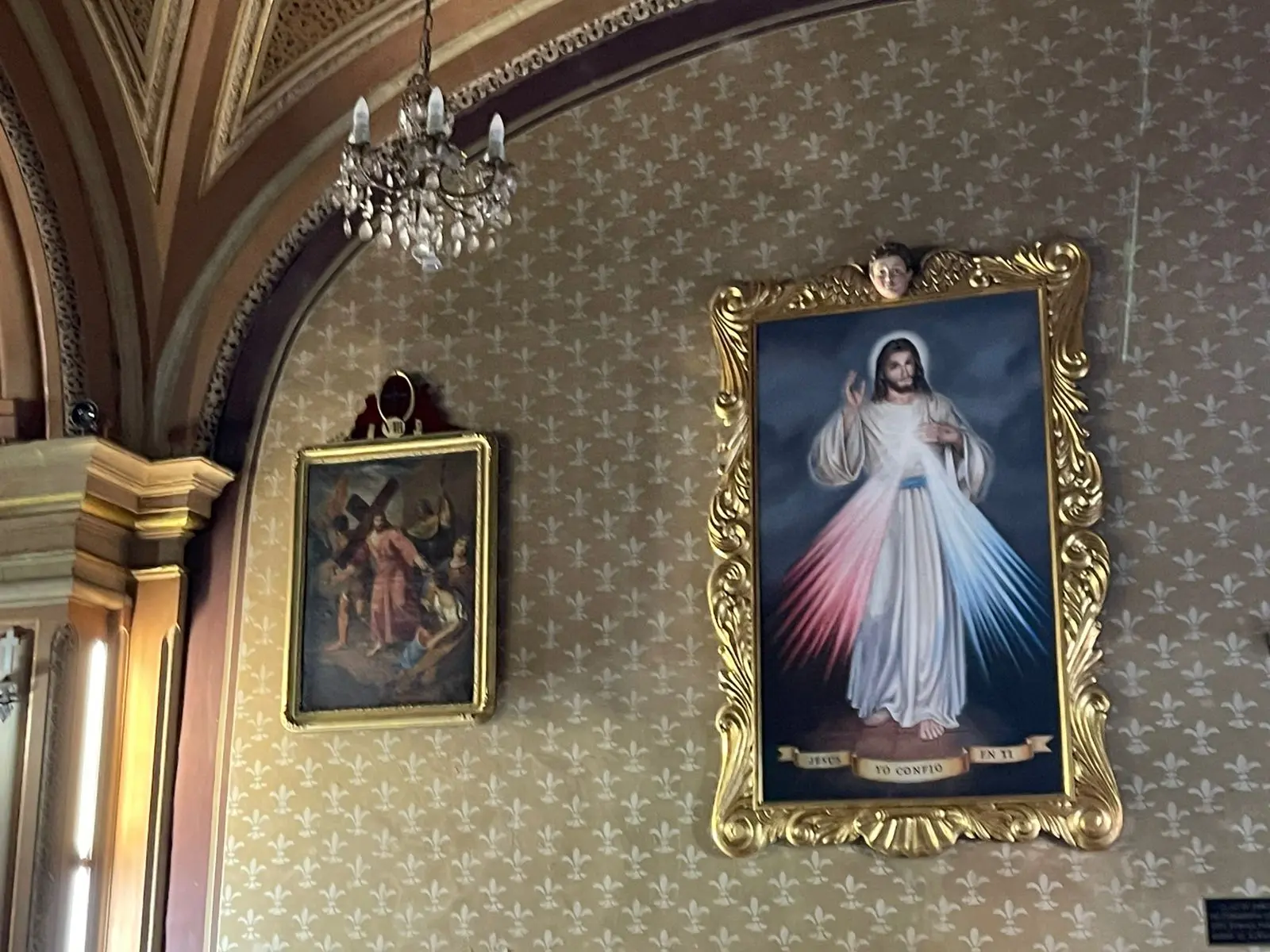
Stepping inside the Templo de San José reveals a wealth of artistic treasures. The interior is adorned with neoclassical altarpieces, a Pinacoteca (art gallery), and centuries-old crypts dating back to the 19th and early 20th centuries. These elements add layers of historical and social significance to the religious space. The neoclassical altarpieces, a departure from the earlier Baroque style, reflect the changing artistic tastes of the 19th century. The Pinacoteca houses a collection of religious paintings and sculptures, offering insights into the artistic traditions of the region. The crypts, serving as final resting places for prominent members of the community, provide a tangible link to Morelia’s past.
The crypts, in particular, offer a glimpse into the social history of Morelia. They contain the remains of individuals from various social classes, providing valuable information about burial practices, family structures, and the demographics of the city during the 19th and 20th centuries. Research into these crypts has contributed to a deeper understanding of the social and economic dynamics of colonial and post-colonial Morelia. The preservation of these historical elements is a priority for local authorities and cultural organizations.
The Significance of the Pinacoteca
The Pinacoteca within the Templo de San José is a significant collection of religious art, showcasing the artistic talent that flourished in the region during the colonial and post-colonial periods. While specific details about the collection’s holdings are limited in publicly available sources, it is known to include paintings and sculptures depicting scenes from the Bible and the lives of saints. These artworks served not only as devotional objects but also as tools for religious instruction, conveying theological concepts to a largely illiterate population. The Pinacoteca’s collection reflects the influence of European artistic styles, adapted and reinterpreted by Mexican artists.
Morelia’s Historic Center: A UNESCO World Heritage Site
The Templo de San José is an integral part of Morelia’s historic center, which was designated a UNESCO World Heritage site in 2008. The city’s architectural heritage, characterized by its Baroque and neoclassical buildings constructed from pink cantera, is considered an outstanding example of Spanish colonial urban planning. The historic center’s grid-like street plan, centered around the main plaza, reflects the principles of Renaissance urbanism. Visit Mexico provides information about Morelia and its attractions.
The UNESCO designation recognizes the cultural and historical significance of Morelia’s built environment, emphasizing the need for its preservation and sustainable management. The designation has also boosted tourism to the city, providing economic benefits to the local community. However, it also presents challenges in balancing the demands of tourism with the need to protect the historic center’s integrity. Local authorities are working to implement policies that promote responsible tourism and ensure the long-term preservation of Morelia’s cultural heritage.
Preservation Efforts and Future Challenges
Maintaining the Templo de San José and the surrounding historic center requires ongoing preservation efforts. The pink cantera stone, while beautiful, is susceptible to erosion and weathering. Regular maintenance and restoration work are essential to prevent deterioration and ensure the long-term survival of these architectural treasures. Funding for preservation projects comes from a variety of sources, including government grants, private donations, and tourism revenue.
One of the key challenges facing Morelia’s historic center is the impact of seismic activity. The region is prone to earthquakes, which can cause damage to buildings and infrastructure. Efforts are underway to strengthen existing structures and develop earthquake-resistant construction techniques. Another challenge is the increasing pressure from urbanization and development. Balancing the need for economic growth with the preservation of cultural heritage requires careful planning and sustainable development strategies.
As Morelia continues to evolve, the Templo de San José will undoubtedly remain a central landmark, a symbol of the city’s rich history and enduring faith. Its architectural grandeur, artistic treasures, and historical significance will continue to attract visitors and inspire generations to come. The ongoing commitment to preservation and sustainable development will ensure that this remarkable temple remains a vibrant part of Morelia’s cultural landscape for centuries to come.
Looking ahead, local authorities are planning further restoration work on the temple’s facade and interior, scheduled to start in the fall of 2026. These efforts will focus on repairing damaged stonework and conserving the artwork within the Pinacoteca. We encourage readers to share their thoughts and experiences with the Templo de San José in the comments below. Please also share this article with anyone interested in the cultural heritage of Mexico.
Related reading