
The Supreme Court of Chile has established a definitive legal standard regarding the renewal of lease agreements, ruling that automatic renewal clauses must be explicitly stated in contracts to be enforceable in property-related disputes. This judicial interpretation clarifies the requirements for contractual continuity in real estate matters, emphasizing that implied or tacit renewals do not hold the same legal weight as those clearly documented in writing between the parties involved.
The ruling comes as a result of a specific claim processed through the judicial system, where the San Miguel Court of Appeals previously analyzed whether a lease agreement could be extended without a clear, written provision for such an action. The Supreme Court’s intervention serves to standardize how lower courts must interpret the intent of parties in real estate contracts, particularly when identifying the precise moment a rental agreement expires or transitions into a new term.
Legal Requirements for Contractual Renewals
Under Chilean civil law, the principle of freedom of contract allows parties to stipulate terms as they see fit, provided they do not violate public order or mandatory legal statutes. However, the Supreme Court has underscored that for an automatic renewal—often referred to as renovación automática—to be binding, it must be drafted with sufficient clarity to reflect the express will of both the lessor and the lessee. According to the Judicial Branch of Chile, contracts must be interpreted in a way that minimizes ambiguity, ensuring that both parties are fully aware of their obligations regarding the duration and termination of the property use.
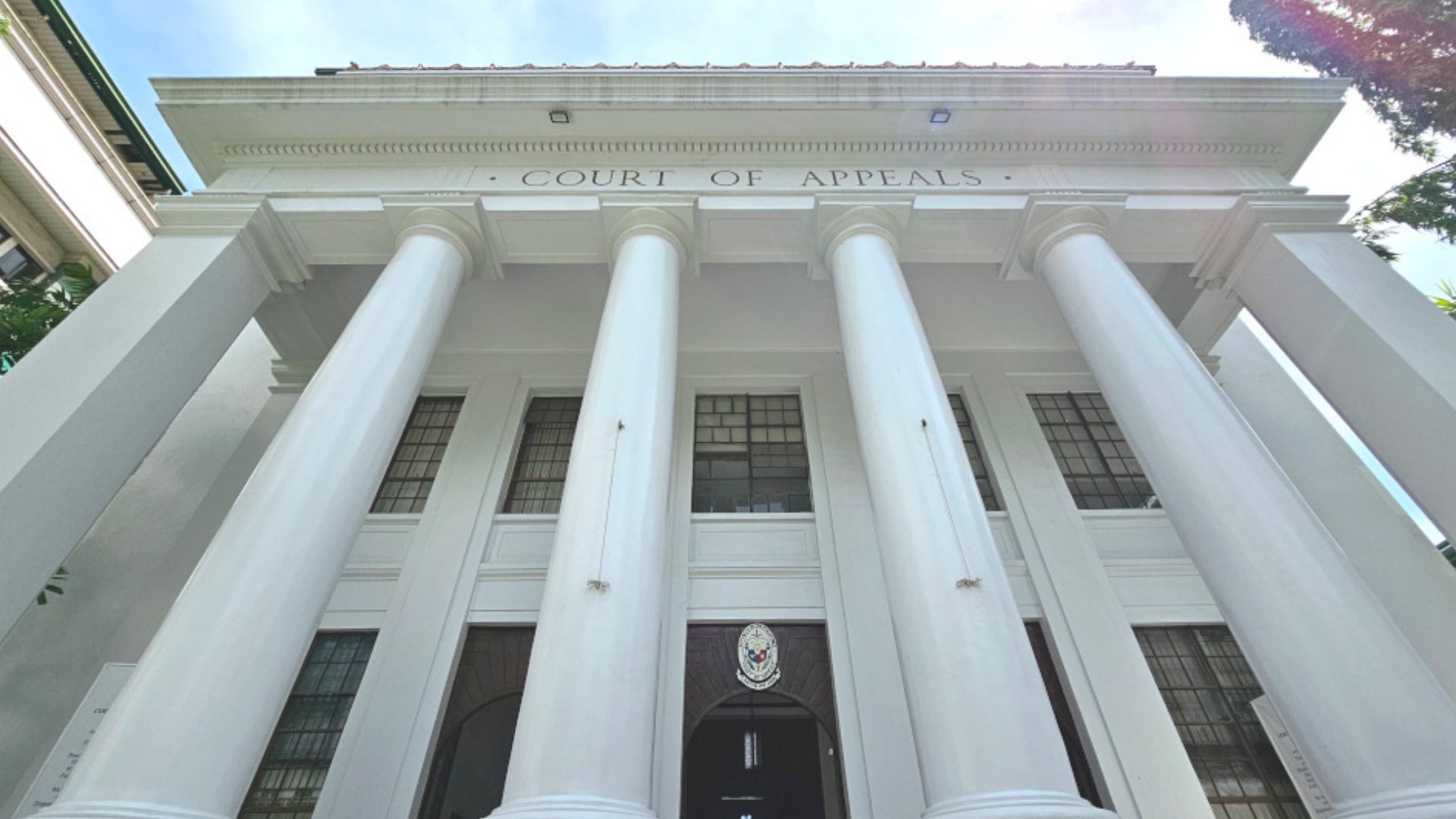
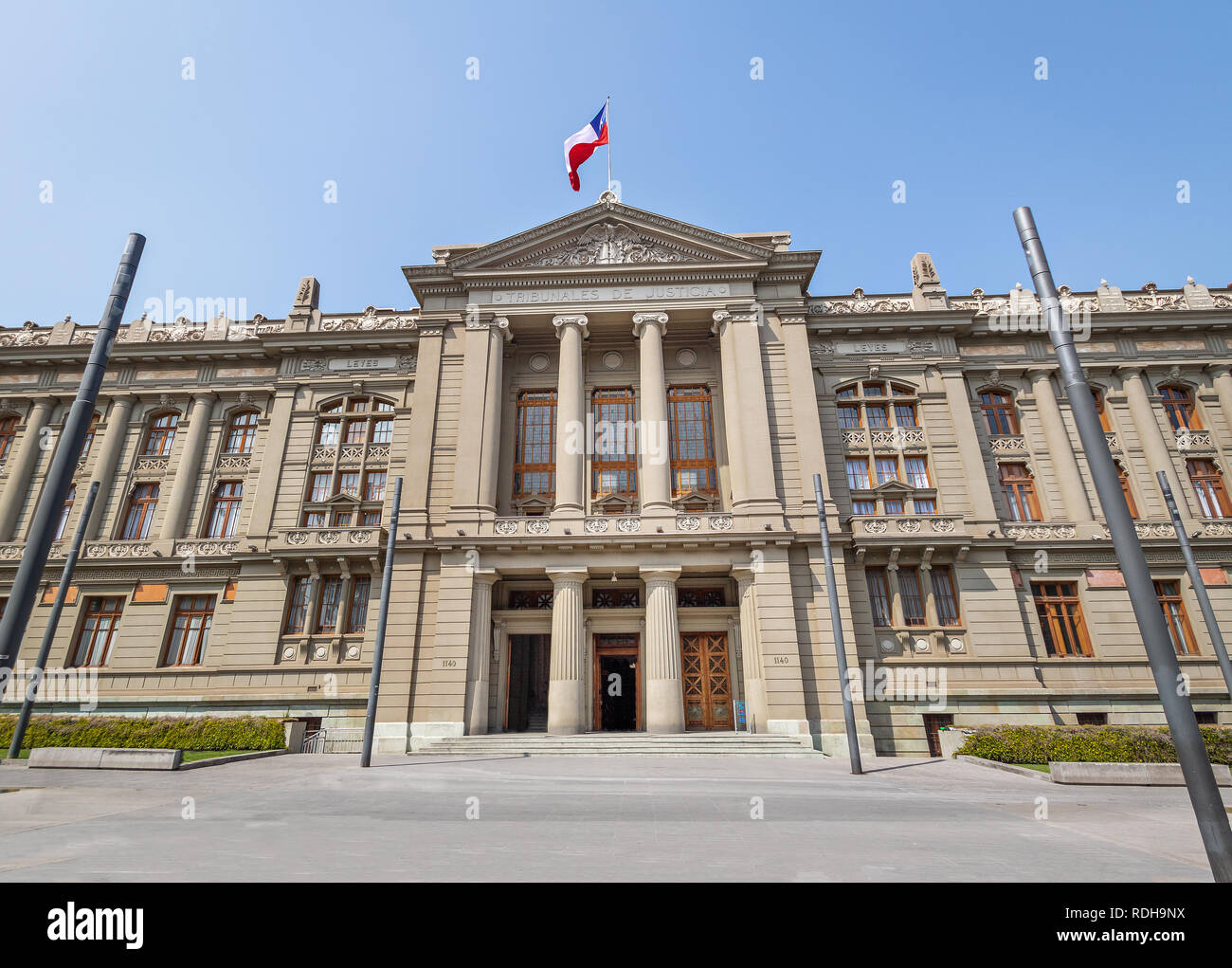
The San Miguel Court of Appeals had previously scrutinized the mechanisms of lease extensions, focusing on whether a lack of formal notification of non-renewal should be interpreted as an automatic extension. The Supreme Court’s decision clarifies that silence or the mere continuation of payments does not necessarily constitute an express agreement for a new term unless the original contract explicitly mandates that such actions trigger a renewal. This distinction is crucial for property owners and tenants who rely on the Chilean Civil Code to govern their commercial and residential real estate relationships.
Impact on Real Estate Litigation
This ruling is expected to influence how future real estate disputes are settled in lower courts. By requiring that renewal clauses be explicit, the court has introduced a higher threshold for evidence in breach-of-contract cases. Parties who previously relied on informal or verbal understandings of lease extensions may now face significant hurdles if they cannot produce a written agreement containing a clear, pre-negotiated renewal clause.
Legal professionals suggest that this decision will likely lead to a surge in the revision of standard lease forms. Property managers and legal advisors are now tasked with ensuring that all new contracts include unambiguous language regarding the expiration of terms. For those currently in existing lease agreements, the ruling highlights the importance of reviewing contract documents to verify the existence and specific conditions of any automatic renewal provisions.
Clarifying the Role of the Courts
The role of the San Miguel Court of Appeals in this matter was to address the specific factual circumstances of a reclamación (claim) regarding property rights. The Supreme Court’s final determination serves as a corrective measure, ensuring that appellate courts apply a uniform standard across the country. This consistency is essential for maintaining stability in the rental market, where predictability is a key factor for both investment and housing security.

The Supreme Court of Chile often intervenes in such cases to prevent disparate interpretations of the law, which can lead to legal uncertainty for property owners and renters alike. By defining that automatic renewals must be express, the high court has effectively limited the scope for judicial discretion in cases where the contract language is vague or incomplete.
Next Steps for Property Holders
For those currently navigating a lease dispute or drafting new agreements, the takeaway is clear: clarity in documentation is the primary defense against litigation. Property owners are encouraged to consult with legal counsel to review existing templates and ensure that renewal clauses comply with the latest judicial interpretations. Tenants, meanwhile, should be aware that they cannot assume a lease will automatically renew in the absence of a written provision to that effect.
The next checkpoint for this legal development will be the implementation of these standards in upcoming lower court rulings. As case law evolves, further updates regarding specific applications of this rule may be published on the official portal of the Poder Judicial de Chile. Readers are encouraged to monitor these official channels for any subsequent circulars or clarifications that may emerge as these principles are applied to broader real estate scenarios.
Do you have questions about how this ruling affects your current lease agreements? Please share your thoughts or experiences in the comments section below to join the conversation.
Related reading