
Legal experts and political strategists are currently weighing in on the complexities of the allegations facing Eric Swalwell, highlighting a significant divide between legal proceedings and the “court of public opinion.” The discourse centers on whether the formal process of adjudication can ever truly reconcile with the immediate, often visceral reactions of the general public.
In a recent discussion on the program “CUOMO,” an attorney and a former congressional adviser debated the nuances of the Eric Swalwell allegations. The conversation underscored a recurring theme in high-profile political cases: the tension between due process and public perception. While legal frameworks are designed to determine guilt or innocence based on evidence, the public narrative often forms long before a verdict is reached.
During the segment, Sara Azari emphasized that the core of the issue transcends gender dynamics. “It’s not about male or female. It’s about the process,” Azari told “CUOMO,” suggesting that the focus should remain on the integrity of the investigative and legal procedures rather than the identities of the parties involved.
The Divide Between Legal Justice and Public Opinion
A central point of contention in the debate is the assertion that Eric Swalwell may not uncover “justice” in the court of public opinion, regardless of the outcome in a court of law. Legal professionals note that while a defendant can be exonerated or a case dismissed, the reputational damage associated with public allegations often persists indefinitely.
This phenomenon is particularly acute for public officials, where the standard for “justice” is often shifted from legal innocence to political viability. When allegations enter the public sphere, the narrative is driven by media coverage and social sentiment, which operate on a different timeline and set of rules than the judicial system. Reports on the debate suggest that the inability to “win” the public narrative can be as damaging as a legal loss.
The Role of Procedural Integrity
The insistence by analysts like Sara Azari that the focus must remain on “the process” reflects a broader concern regarding how allegations against political figures are handled. The “process” involves the gathering of evidence, the right to a defense, and the adherence to established legal protocols. When these processes are bypassed in favor of public condemnation, the risk of misinformation increases.

For an ex-congressional adviser, the perspective often shifts toward the political ramifications. The debate highlights how allegations can be leveraged as political tools, regardless of their legal merit. This creates a precarious environment where the “process” is not just a legal necessity but a political shield.
Analyzing the Impact of High-Profile Allegations
The discussion regarding the Eric Swalwell allegations serves as a case study in how the modern media landscape interacts with the legal system. In the current era of rapid information dissemination, the “trial by media” often precedes the actual trial, making it difficult for the accused to maintain a presumption of innocence in the eyes of the electorate.
Key stakeholders in these scenarios include:
- The Accused: Who must navigate both a legal defense and a public relations strategy.
- The Accusers: Whose credibility is often scrutinized under a microscope.
- The Electorate: Who must decide whether to trust the legal process or the public narrative.
- Legal Counsel: Who must balance the demand for a quiet legal strategy with the need to address public outcry.
The tension mentioned by Azari—that This represents not about gender but about the process—is a call for a return to evidentiary standards. By stripping away the social and gendered layers of the conflict, the focus returns to whether the allegations are supported by fact and whether those facts are processed through a fair and impartial system.
What In other words for Political Accountability
The debate over these allegations raises fundamental questions about political accountability. If the “court of public opinion” becomes the primary venue for justice, there is a risk that accountability is based on popularity or optics rather than truth. Conversely, a purely legal approach may ignore the ethical lapses that, while not criminal, may render a person unfit for public office.
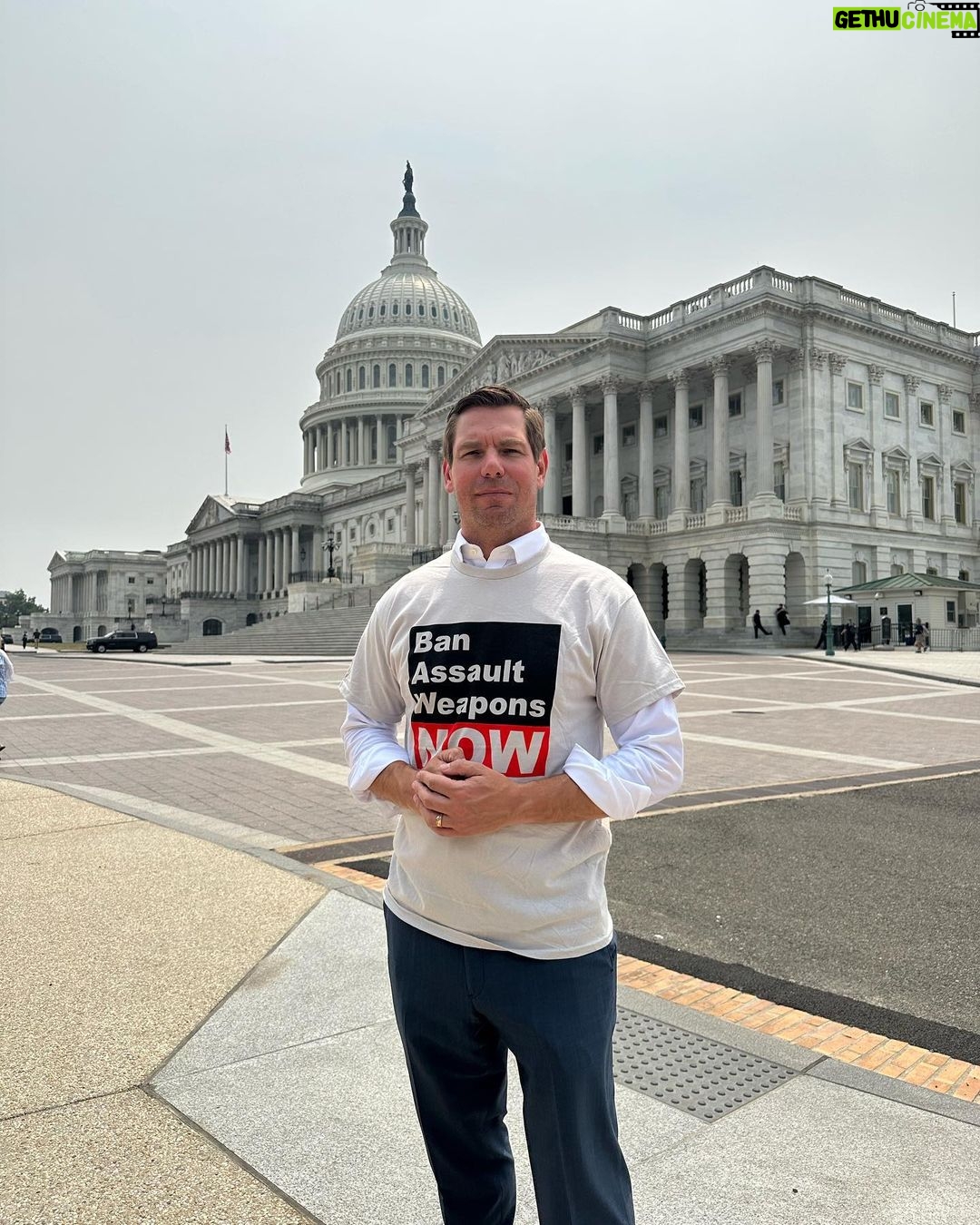
This duality is why the debate between an attorney and a congressional adviser is so critical. One views the world through the lens of statutes and evidence, while the other views it through the lens of power, perception, and political survival. Further analysis of these allegations suggests that the intersection of these two “courts”—the legal and the public—is where the ultimate fate of a political career is decided.
As the situation evolves, the insistence on a process-driven approach remains the only safeguard against the volatility of public sentiment. For the global audience, this highlights the ongoing struggle in democratic societies to balance the speed of digital information with the deliberation of the law.
Updates on the specific legal status of these allegations and any subsequent filings are expected as the case progresses through the appropriate channels. We encourage readers to share their thoughts on the balance between public opinion and legal process in the comments section below.