
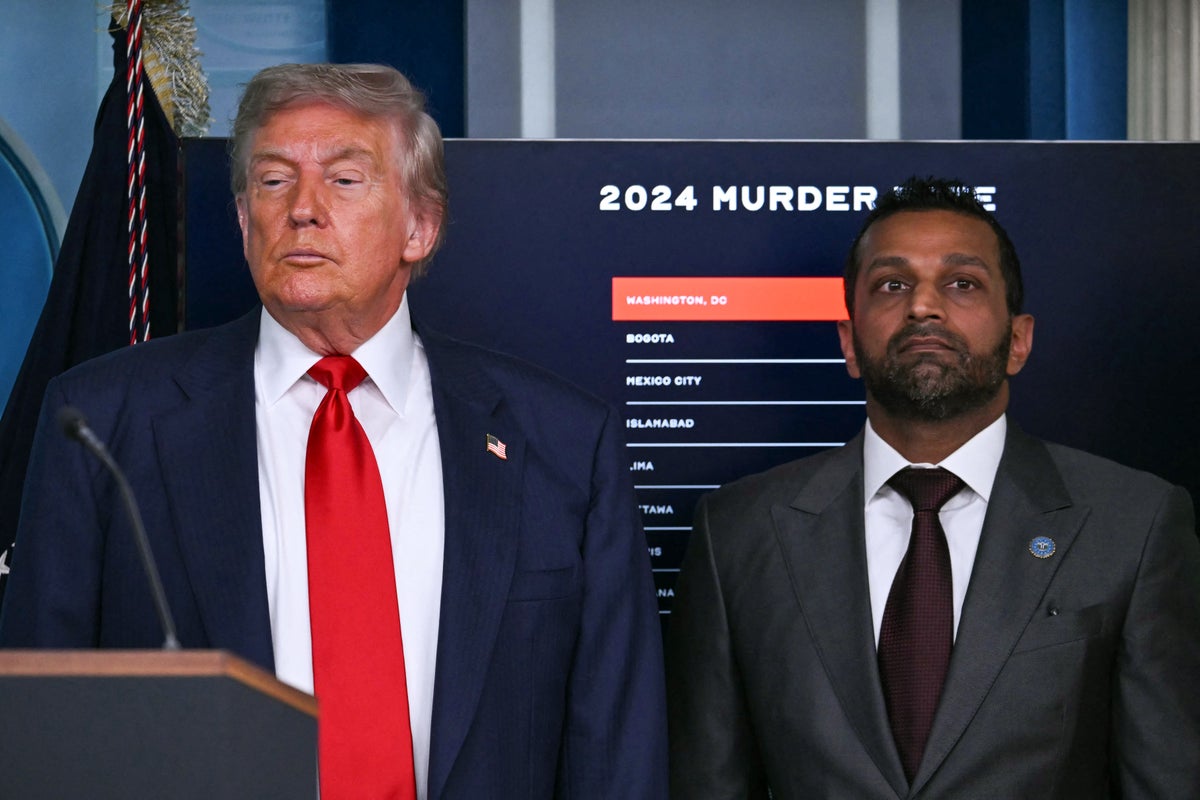
White House officials have reportedly engaged in internal discussions about the potential removal of Kash Patel from his position as Director of the Federal Bureau of Investigation, according to multiple sources familiar with the matter. The conversations come amid heightened scrutiny over Patel’s conduct, following a recent investigative report that detailed allegations of excessive alcohol consumption during work hours and other behavioral concerns. While no formal decision has been made, the fact that such talks are occurring at the highest levels of the administration underscores the gravity of the situation and the growing unease among senior advisors about Patel’s suitability for the role.
The controversy stems from a report published by independent journalist Sarah Fitzpatrick, which cited anonymous former colleagues and associates who described Patel’s pattern of drinking as disruptive, and unprofessional. Fitzpatrick has stood by her reporting despite Patel’s public threat to sue her for defamation, asserting that her sources were credible and that the allegations were thoroughly vetted before publication. In interviews, she has emphasized that her intent was not to sensationalize but to inform the public about the conduct of an individual now entrusted with leading the nation’s premier law enforcement agency.
Patel, a former aide to Donald Trump and a controversial figure in national security circles, was appointed FBI Director in early 2025 after a contentious confirmation process marked by partisan debate over his qualifications and past statements. His tenure has been characterized by efforts to reshape the bureau’s priorities, including a renewed focus on what he describes as “weaponization of government” by political opponents. Critics, however, argue that these initiatives have compromised the FBI’s independence and raised concerns about politicization under his leadership.
According to current and former officials who spoke on condition of anonymity, internal White House discussions have centered on whether Patel’s behavior poses a risk to the integrity of the FBI and whether his continued leadership could undermine public trust in the institution. Some advisors have expressed concern that incidents involving alcohol impairment could compromise decision-making during critical operations, while others have warned that removing him now could be seen as conceding to political pressure, potentially emboldening critics of the administration.
To date, Patel has denied all allegations of misconduct, calling the report “a politically motivated hit job” designed to damage his reputation and distract from the FBI’s work. In a statement released through his legal team, he accused Fitzpatrick of relying on “unverified gossip” and warned that he would pursue all available legal remedies to protect his name. Legal experts note that while defamation suits against journalists are difficult to win—particularly when the plaintiff is a public figure—the mere threat of litigation can serve as a deterrent to future investigative reporting.
Fitzpatrick, for her part, has maintained that her reporting adhered to journalistic standards and that she attempted to contact Patel for comment prior to publication. She has not disclosed the identities of her sources but said they included individuals who worked closely with him in both governmental and private-sector roles. Press freedom advocates have warned that aggressive legal responses to critical reporting, even if ultimately unsuccessful, can have a chilling effect on journalists covering powerful figures.
The FBI has not issued an official statement regarding the allegations or the internal White House discussions. Bureau spokespeople have declined to comment on personnel matters, citing longstanding policy against discussing internal affairs. However, former FBI officials have noted that any credible concern about a director’s fitness for duty would typically be reviewed through the Office of Professional Responsibility or referred to the Inspector General, though no public indication exists that such a review has been initiated.
As of now, President Joe Biden has not publicly addressed the matter, though sources say he has been briefed on the situation. The administration has faced increasing pressure from both Democrats and Republicans to ensure that the FBI remains free from undue influence, whether political or personal. Some lawmakers have called for greater transparency regarding the vetting process for senior law enforcement appointees, particularly in light of recent controversies surrounding several high-profile nominations.
Legal analysts point out that removing an FBI Director mid-term is uncommon but not without precedent. While the president has the authority to dismiss the director, such actions are typically reserved for cases of clear misconduct or loss of confidence. Experts note that any move to remove Patel would likely trigger intense political backlash and could be framed by supporters as an overreach, potentially leading to calls for congressional hearings or even impeachment-related scrutiny, depending on how the situation unfolds.
For now, the situation remains fluid, with no timeline established for any potential decision. Observers suggest that the coming weeks will be critical, as further developments—whether additional testimony, internal reviews, or legal filings—could shift the balance of opinion within the White House and beyond. The outcome may not only affect Patel’s future but also signal how seriously the administration takes concerns about the conduct and judgment of those appointed to lead critical national security institutions.
Readers seeking updates on this developing story are encouraged to monitor official statements from the White House Press Office and the FBI’s public affairs office. Credible news outlets such as the Associated Press, Reuters, and BBC News continue to provide fact-based coverage of personnel and leadership matters within federal agencies.
Stay informed, share your thoughts in the comments below, and aid foster a dialogue rooted in accountability and transparency.