Communicating During Epidemics: From Mapping to Action and Cooperation
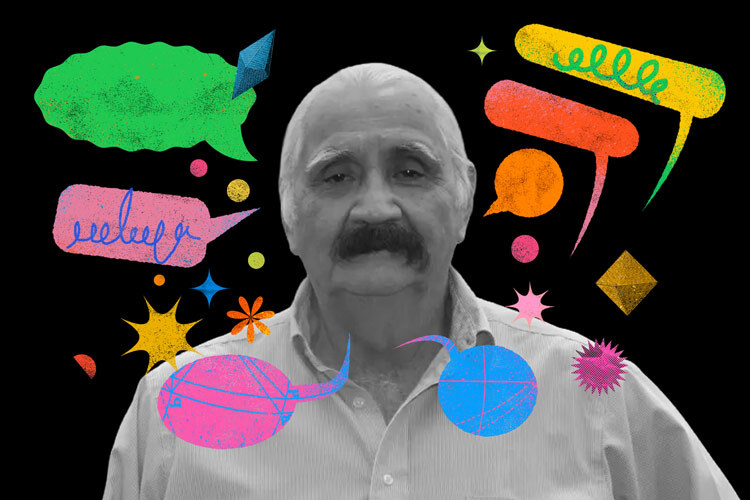
Rafael Lozano, a professor of Public Health at the National Autonomous University of Mexico (UNAM) and an emeritus professor at the university of Washington, argues that effective dialog is not merely about what is said during an epidemic, but how it’s framed and its impact on public action. He highlights two critical errors in recent public health communication strategies, both stemming from prioritizing reputation over cooperation.
the Importance of a Functional Map
lozano begins by illustrating a seemingly minor, yet crucial, misstep: presenting epidemiological data as a complex map without clear, actionable instructions. While visually representing the spread of disease is important, a map alone is insufficient.It needs to be accompanied by a clear clarification of what the data signifies and, crucially, what individuals should do in response. The map must translate into concrete action. Without this context, the information remains abstract and fails to motivate protective behaviors.
the Danger of Politicization
A more serious error, according to Lozano, involves framing epidemiological findings within a political context. He cites an example where a federal authority linked varying levels of immunity (seroprevalence) across age groups to the administrations of past presidents. This approach, while potentially highlighting historical disparities in healthcare access, fundamentally misdirects focus during a crisis. Instead of concentrating on immediate solutions – “what do we do today?” – it shifts the narrative to assigning blame (“who is at fault?”).
This politicization fuels unproductive debate – “politization,reply,counter-reply,weariness” – diverting resources and attention from essential public health measures like vaccination and timely medical consultation. Every moment spent on political contention is a lost prospect to curb transmission.
Furthermore, presenting data through a partisan lens transforms a valuable technical tool – identifying vulnerable cohorts for targeted interventions – into political ammunition. Providing politicians with graphs labeled with presidential names doesn’t deliver epidemiological insight; it delivers targets for blame. This leads to the loss of a simple, actionable message (“young adults with incomplete vaccination schedules: come today, here”) and the escalation of conflict. Lozano emphasizes that historical analysis is appropriate for post-epidemic reporting, but public communication during a crisis must prioritize immediate operational needs.
reputation vs. Cooperation: A Critical Divide
Both examples demonstrate a common flaw: prioritizing institutional reputation over collaborative action. Whether it involves concealing data or weaponizing it, the focus shifts from public health to self-preservation. Lozano powerfully asserts that in epidemics, communication is intervention. If cooperation isn’t actively fostered, the outbreak will inevitably worsen.
He concludes by stressing the need for swift correction and preventative measures. Errors in communication should be addressed immediately and policies implemented to prevent their recurrence. Allowing these mistakes to become normalized risks undermining public trust and hindering effective epidemic control.
Author:
Rafael Lozano is a professor at the Department of Public Health, Faculty of Medicine, National Autonomous university of Mexico (UNAM) and professor emeritus at the Department of health Metrics Sciences, University of Washington. [email protected]; [email protected]
The opinions expressed in this article do not represent the position of the institutions where the author works.
Related reading