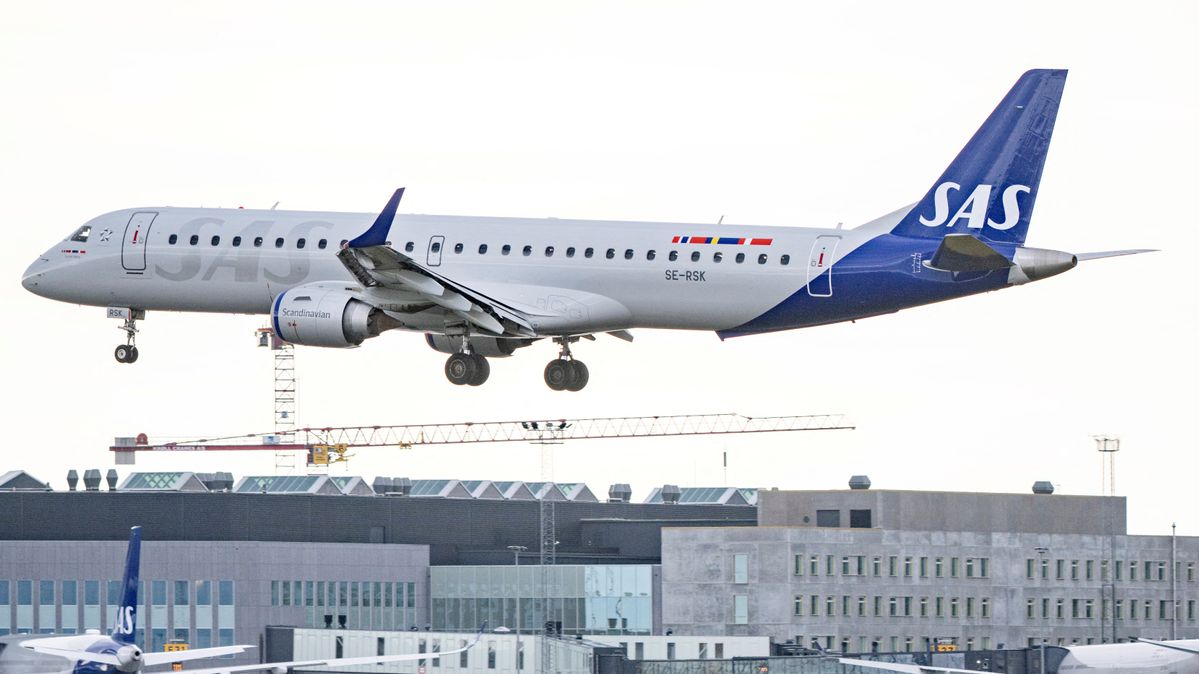
Oslo, Norway – A dispute has erupted between Scandinavian Airlines (SAS) and the Norwegian Defence Materiel Agency (NDMA) over a new agreement for strategic air evacuation services, with SAS alleging the contract was awarded unlawfully. The airline claims the tendering process was flawed and favored a competitor, potentially jeopardizing Norway’s capacity for critical medical evacuations and disaster response.
The core of the disagreement centers around a recent NDMA decision to award a contract to Lufttransport AS for the provision of air ambulance services, replacing a long-standing partnership with SAS. SAS argues that the procurement process did not adhere to established legal standards and transparency requirements, effectively precluding them from a fair opportunity to compete. This dispute comes as Norway prepares to phase out its Boeing 737 aircraft, necessitating a new framework for strategic airlift capabilities.
Longstanding Partnership and Shifting Landscape
For years, SAS has played a crucial role in Norway’s strategic air evacuation capabilities, operating a specially equipped Boeing 737 capable of functioning as a flying intensive care unit. This capability has been utilized in numerous international crises, including the evacuation of civilians from Ukraine, as well as responding to natural disasters and providing medical transport for both civilian and military personnel. As reported by the Norwegian Armed Forces, a new agreement was signed in March 2024 to ensure continued capacity during the transition away from the Boeing 737 fleet.
However, the planned retirement of the Boeing 737 fleet in 2025 necessitated a new tender process. The NDMA sought a partner capable of providing similar services using the Airbus A320neo aircraft. SAS, possessing extensive experience in this field, expected to be a strong contender. Instead, Lufttransport AS was selected, prompting SAS to raise concerns about the fairness and legality of the process. The airline alleges that the criteria used in the evaluation unfairly favored Lufttransport AS, and that key information was withheld during the bidding process.
Details of the New Agreement and SAS’s Concerns
The new agreement with Lufttransport AS involves the establishment of a capacity utilizing the Airbus A320neo aircraft, equipped for medical evacuation. According to the Norwegian Armed Forces, the deal encompasses both the development of a solution for the new aircraft type and a comprehensive operational and readiness agreement. This includes the ability to deploy two aircraft for medical evacuations, supplementing existing Defence resources.
SAS contends that the tender requirements were overly specific, effectively tailored to Lufttransport AS’s existing capabilities. They similarly claim that the evaluation process lacked transparency, making it tricky to understand why their bid was unsuccessful. The airline further alleges that the NDMA failed to adequately assess Lufttransport AS’s ability to meet the stringent requirements for medical evacuations, particularly concerning the training and qualifications of medical personnel. These concerns raise questions about the potential impact on the quality and reliability of Norway’s strategic air evacuation capabilities.
The Role of Airbus A320neo in Strategic Evacuation
The shift to the Airbus A320neo represents a move towards more fuel-efficient and environmentally friendly aircraft. However, adapting this aircraft for medical evacuation requires significant modifications, including the installation of specialized medical equipment and the development of procedures for safely transporting critically ill patients. The NDMA and Lufttransport AS are collaborating to develop these solutions, but SAS questions whether sufficient time and resources have been allocated to ensure a seamless transition.
The A320neo offers advantages in terms of operational costs and environmental impact, but it also presents unique challenges for medical evacuation. The aircraft’s cabin configuration and available space may require innovative solutions for accommodating medical equipment and ensuring patient comfort and safety. SAS argues that their extensive experience in operating medical evacuation flights would have been invaluable in addressing these challenges.
Implications for Norway’s Emergency Preparedness
The dispute between SAS and the NDMA has broader implications for Norway’s overall emergency preparedness. Strategic air evacuation is a critical component of the country’s ability to respond to crises, both domestically and internationally. A reliable and well-equipped air evacuation capability is essential for providing timely medical assistance to those in demand, as well as for supporting humanitarian operations and disaster relief efforts.
The potential disruption to this capability caused by the dispute raises concerns among both civilian and military officials. SAS’s experience and established infrastructure have been a valuable asset in past emergencies, and its exclusion from the new agreement could create vulnerabilities. The NDMA maintains that the new agreement with Lufttransport AS will ensure continued capacity for strategic air evacuation, but SAS’s allegations of procedural irregularities cast doubt on this assertion.
Collaboration as a Cornerstone of Emergency Response
The existing MEDEVAC agreement between the Norwegian Defence and SAS highlights the importance of collaboration between the public and private sectors in emergency response. As noted by Milforum, the agreement allows SAS to stand by and prepare a hospital-equipped aircraft within 24 hours. This collaborative approach, involving government, industry, and the military, is seen as a key strength of Norway’s emergency preparedness system.
The current dispute threatens to undermine this collaborative spirit, potentially leading to a less effective and less resilient air evacuation capability. SAS’s concerns about the fairness and transparency of the tender process underscore the need for robust oversight and accountability in government procurement. A thorough investigation into the allegations raised by SAS is essential to restore confidence in the integrity of the process and ensure that Norway’s strategic air evacuation capabilities remain secure.
Looking Ahead
The legal battle between SAS and the NDMA is expected to continue in the coming months. SAS has indicated its intention to pursue all available legal remedies to challenge the award of the contract to Lufttransport AS. The outcome of this dispute will have significant implications for the future of strategic air evacuation in Norway, as well as for the relationship between the government and the private sector in emergency preparedness.
The NDMA maintains that the new agreement with Lufttransport AS is in the best interests of Norway and will ensure continued capacity for strategic air evacuation. However, SAS’s allegations of procedural irregularities raise serious questions about the fairness and transparency of the process. A resolution to this dispute is urgently needed to safeguard Norway’s ability to respond effectively to future crises.
The next step in this process is likely to be a formal review of the tender process by Norwegian authorities. The timeline for this review remains uncertain, but it is expected to be completed within the next few months. Readers seeking further information on this matter are encouraged to consult the websites of the Norwegian Defence Materiel Agency and SAS for updates.
What are your thoughts on this developing situation? Share your comments below and let us understand how you suppose this will impact Norway’s emergency preparedness.
Keep reading