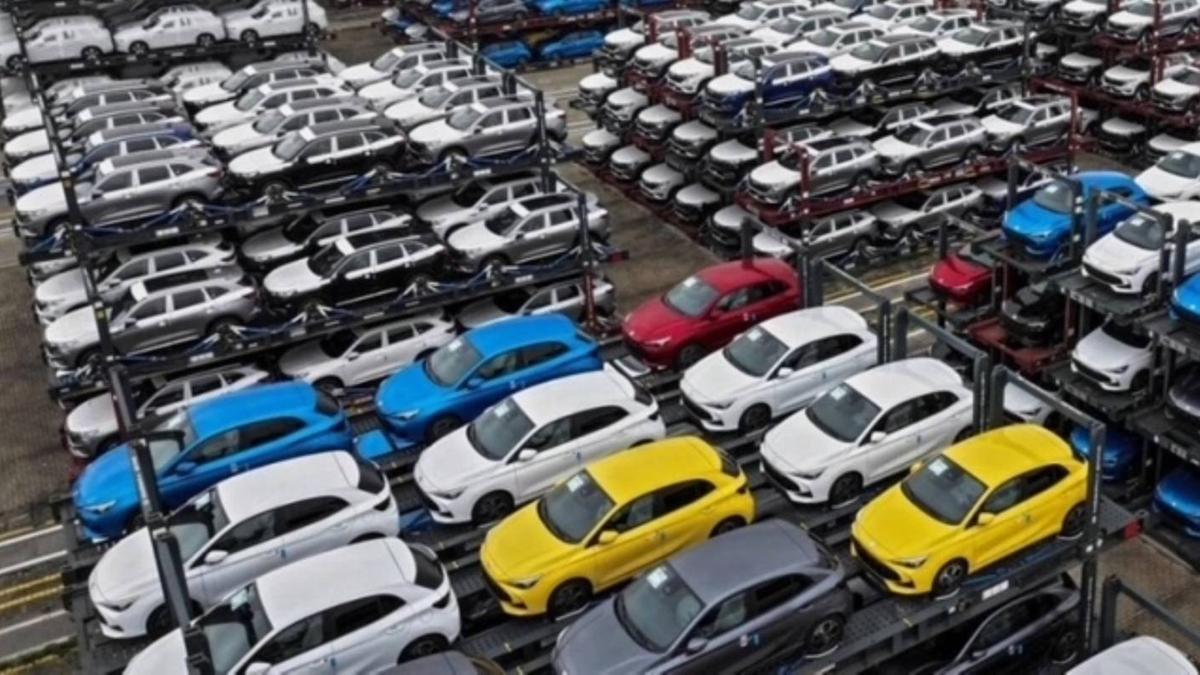
Saudi Arabia has implemented a temporary suspension on the import of vehicles from 29 international manufacturers, citing a failure to comply with updated fuel economy and safety standards. The decision, enforced by the Saudi Standards, Metrology and Quality Organization (SASO), mandates that all vehicles entering the Kingdom must meet rigorous energy efficiency benchmarks to align with the nation’s broader Vision 2030 sustainability goals.
This regulatory action affects a significant cross-section of the global automotive market, impacting brands that have reportedly struggled to meet the latest technical requirements set by the Saudi Standards, Metrology and Quality Organization. The suspension serves as a mechanism to ensure that the domestic vehicle fleet transitions toward higher fuel efficiency, thereby reducing carbon emissions and lowering consumer fuel consumption costs across the country.
Regulatory Standards and Compliance Requirements
The core of the issue lies in the Saudi Corporate Average Fuel Economy (CAFE) standards, which have been progressively tightened over the last several years. According to official Saudi Labeling and Standards (SLS) documentation, manufacturers are required to adhere to specific energy performance labels for all light-duty vehicles. Vehicles that fail to achieve the minimum fuel efficiency rating are prohibited from entering the Saudi market until the manufacturer rectifies the technical discrepancies and undergoes a new round of compliance testing.
For international automakers, the path to resuming exports involves submitting updated vehicle specifications that demonstrate compliance with the Saudi Energy Efficiency Center (SEEC) requirements. This process often includes independent laboratory testing and verification of engine performance data. Manufacturers are expected to provide evidence that their latest models meet the mandated fuel consumption limits, which are designed to support the Kingdom’s commitment to environmental sustainability.
Impact on the Automotive Market
The temporary ban creates a logistical challenge for regional distributors and dealerships that rely on a steady influx of international vehicle models. By restricting the import of non-compliant vehicles, Saudi regulators are exerting pressure on global brands to prioritize the development and shipping of more efficient models to the Middle Eastern market. This move is consistent with the Saudi government’s strategy to modernize the transportation sector and reduce the overall environmental footprint of its growing automotive consumer base.
Industry analysts suggest that while the suspension is temporary, it signals a long-term shift in the Saudi regulatory environment. Manufacturers that fail to adapt their vehicle portfolios to these stringent energy standards risk losing market share in one of the largest automotive hubs in the region. Consumers seeking to purchase new vehicles are advised to check the official Saudi Energy Efficiency Label to ensure their preferred models are fully authorized for sale and meet current safety and efficiency protocols.
What Happens Next for Manufacturers
Manufacturers currently affected by the suspension must engage directly with the SASO to resolve their compliance standing. This includes conducting remedial technical audits and ensuring that all future shipments are accompanied by valid certificates of conformity. There is no fixed timeline for the lifting of these bans; rather, the restriction is lifted on a case-by-case basis as each manufacturer proves its adherence to the updated national standards.
The Saudi authorities continue to monitor the automotive market closely, with regular updates provided through the SASO official portal. As the Kingdom moves toward a more sustainable future, stakeholders should anticipate further refinements to these regulations. Future updates regarding the specific list of sanctioned manufacturers and the criteria for reinstatement will be published by the regulatory body as technical evaluations conclude.
We invite our readers to share their thoughts on these evolving standards in the comments section below. For ongoing coverage of international trade regulations and automotive industry developments, keep following the World Today Journal.
Related reading