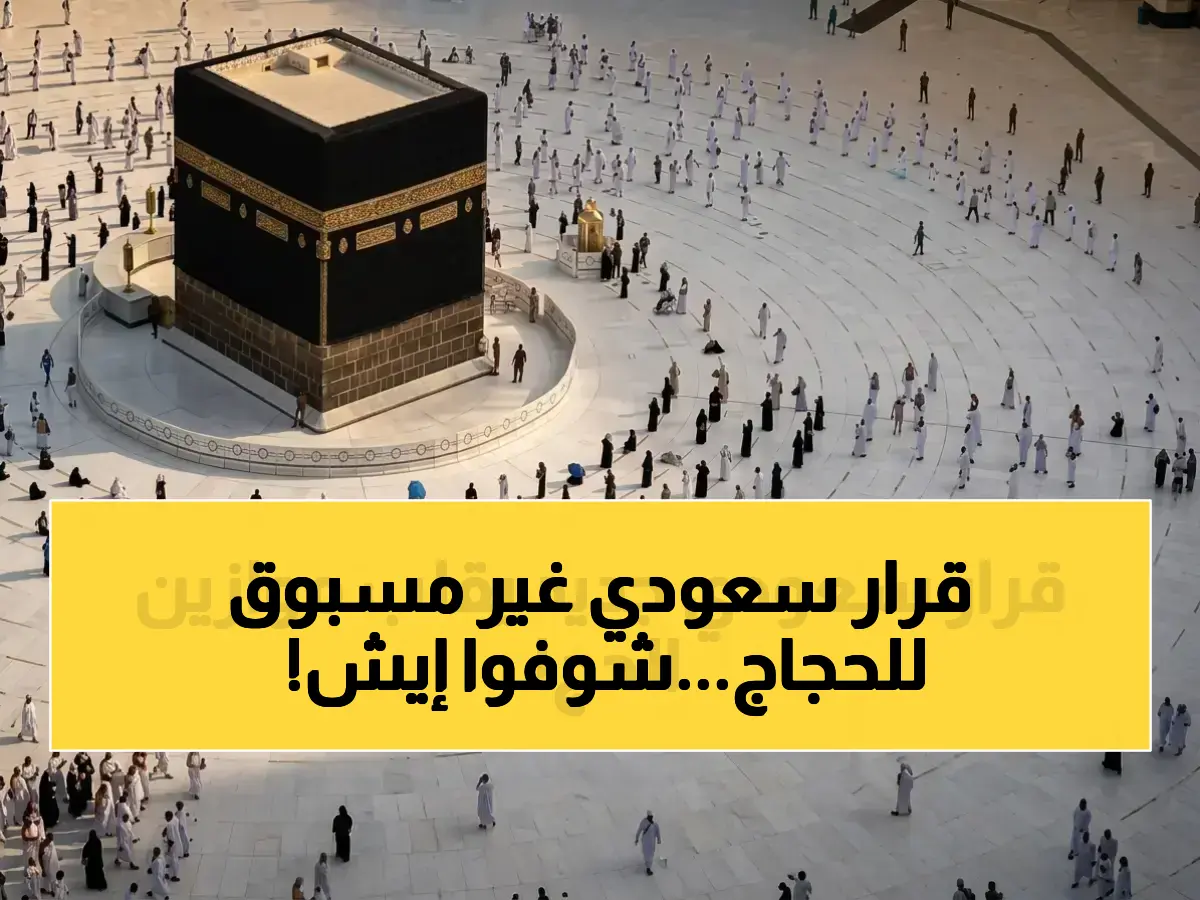
Saudi Arabia Introduces Historic 90-Day ‘Sacred Residence Permit’ for Pilgrims and Visitors
In a groundbreaking shift for religious and cultural tourism, Saudi Arabia has unveiled a new visa system that redefines the experience of visiting the holy cities of Mecca and Medina. The Kingdom has replaced traditional Hajj and Umrah visas with a “sacred residence permit” allowing visitors to stay for up to 90 consecutive days per visit—an unprecedented duration that blends spiritual pilgrimage with broader travel opportunities across the country. The initiative, part of Saudi Arabia’s Vision 2030 strategy to diversify its economy and open its doors to global visitors, marks the first time in history that such an extended stay has been permitted for religious visitors.
The new system, announced by the Saudi Ministry of Foreign Affairs on April 26, 2026, introduces a “Personal Visit Visa” that enables Saudi citizens to invite friends and family from abroad through an electronic platform. Unlike traditional visas, which were limited to short-term stays for religious rituals, the sacred residence permit allows multiple entries over a 365-day validity period, with each visit permitting a 90-day continuous stay. Holders of the permit enjoy unrestricted movement across all regions of Saudi Arabia, including access to the Two Holy Mosques, cultural landmarks, and entertainment destinations.
“This is not just a visa—it’s a transformative step in how the world experiences Saudi Arabia,” a spokesperson for the Saudi Ministry of Foreign Affairs told World Today Journal. “The sacred residence permit reflects our commitment to welcoming visitors with open arms while honoring the spiritual significance of their journey.”
How the New System Works
The sacred residence permit is part of Saudi Arabia’s broader efforts to streamline visa processes and enhance the visitor experience. Here’s how it works:
- Electronic Invitation System: Saudi citizens can invite foreign guests through the Ministry of Foreign Affairs’ visa platform, eliminating the require for third-party intermediaries. The process is fully digital, with applications processed within days.
- 90-Day Continuous Stay: Each visit under the permit allows for a 90-day stay, a significant increase from the typical 30-day limit for Umrah visas. This extended duration enables visitors to perform religious rituals at a more relaxed pace while exploring other parts of the Kingdom.
- 365-Day Validity: The permit remains valid for one year, allowing multiple entries. Visitors can plan return trips without reapplying, provided they adhere to the 90-day limit per visit.
- Unrestricted Movement: Permit holders can travel freely across Saudi Arabia, including to Mecca, Medina, Riyadh, Jeddah, and other cultural and historical sites. This flexibility is a departure from previous restrictions that limited movement to specific regions.
- Affordable Fees: Reports suggest the permit may cost 500 Saudi Riyals (approximately $133 USD), a fee that aligns with the Kingdom’s goal of making religious and cultural tourism more accessible. The fee is reportedly renewable, though official confirmation of this detail is pending.
The Ministry of Hajj and Umrah has emphasized that the new system is designed to “create a spiritual journey that exceeds the expectations of guests of the Two Holy Mosques.” The initiative is expected to attract millions of additional visitors annually, boosting Saudi Arabia’s tourism sector, which has already seen significant growth in recent years. According to the Saudi Vision 2030 website, the Kingdom aims to welcome 100 million annual visitors by 2030, up from 16 million in 2016.
A Shift in Religious Tourism
For centuries, Hajj and Umrah visas have been strictly regulated, with durations tightly controlled to manage the flow of pilgrims to Mecca and Medina. The Hajj, one of the Five Pillars of Islam, is a once-in-a-lifetime obligation for Muslims who are physically and financially able, while Umrah is a voluntary pilgrimage that can be performed at any time of the year. Traditionally, Umrah visas were limited to 30 days, with extensions requiring bureaucratic approval.

The introduction of the 90-day sacred residence permit represents a paradigm shift in how Saudi Arabia approaches religious tourism. By extending the duration of stays, the Kingdom is acknowledging the growing demand for a more immersive spiritual experience—one that allows visitors to deepen their connection to the holy sites while as well engaging with Saudi culture, history, and modern attractions.
“This is a historic moment for pilgrims and visitors alike,” said Dr. Fahad Al-Sulaiman, a professor of Islamic studies at King Saud University, in an interview with Arab News. “The extended stay will enable visitors to perform their rituals with greater devotion and explore the rich heritage of the Arabian Peninsula. It’s a win-win for spirituality and tourism.”
The new system also aligns with Saudi Arabia’s efforts to modernize its infrastructure and services for pilgrims. Over the past decade, the Kingdom has invested billions of dollars in expanding the Grand Mosque in Mecca and the Prophet’s Mosque in Medina, as well as developing transportation networks, such as the Haramain High-Speed Railway, which connects the holy cities with Jeddah and King Abdulaziz International Airport. These upgrades are designed to accommodate the growing number of visitors while ensuring their comfort and safety.
Who Benefits from the Sacred Residence Permit?
The new visa system is expected to have far-reaching implications for several groups:
- Pilgrims: Visitors performing Umrah or Hajj can now spend more time in the holy cities, allowing for a more reflective and spiritually fulfilling experience. The extended stay also provides an opportunity to participate in religious lectures, study circles, and community events.
- Tourists: The permit’s flexibility enables visitors to combine religious pilgrimage with cultural tourism. For example, travelers can perform Umrah in Mecca, visit the Prophet’s Mosque in Medina, and then explore historical sites like Al-Ula or the futuristic city of NEOM.
- Saudi Citizens: The electronic invitation system empowers Saudi nationals to host friends and family from abroad, fostering cultural exchange and strengthening personal connections.
- Businesses: The tourism sector, including hotels, restaurants, and transportation services, is expected to see a boost in revenue as more visitors extend their stays. The Saudi government has also introduced incentives for businesses to cater to the needs of religious tourists, such as halal-certified dining options and prayer-friendly facilities.
- Expatriates: The permit may benefit expatriates living in Saudi Arabia who wish to invite family members for extended visits. The 90-day stay provides an opportunity for reunions without the need for frequent visa renewals.
However, the new system is not without its challenges. Some analysts have raised concerns about the potential strain on infrastructure, particularly in Mecca and Medina, which already experience high levels of congestion during peak pilgrimage seasons. The Saudi government has assured that it is prepared to manage the increased flow of visitors, citing ongoing investments in hospitality and transportation.
How to Apply for the Sacred Residence Permit
Applying for the sacred residence permit is a straightforward process, designed to be accessible to visitors from around the world. Here’s a step-by-step guide:
- Invitation from a Saudi Citizen: The process begins with a Saudi citizen or resident submitting an invitation through the Ministry of Foreign Affairs’ visa platform. The inviter must provide details about the guest, including their full name, passport information, and intended travel dates.
- Online Application: Once the invitation is submitted, the guest receives an email with a link to complete their application. The guest must provide personal details, passport information, and proof of travel insurance.
- Payment of Fees: The guest is required to pay the permit fee, which is reportedly set at 500 Saudi Riyals (approximately $133 USD). Payment can be made online using a credit or debit card.
- Approval and Issuance: Applications are typically processed within 3–5 business days. Once approved, the guest receives an electronic permit via email, which they must present upon arrival in Saudi Arabia.
- Entry and Stay: Upon arrival, the guest must register their permit with Saudi immigration authorities. The permit allows for a 90-day continuous stay, with the option to exit and re-enter the country within the 365-day validity period.
For the latest updates and official guidelines, visitors are encouraged to consult the Saudi Ministry of Hajj and Umrah or the Visit Saudi tourism portal.
The Broader Vision: Saudi Arabia’s Tourism Transformation
The sacred residence permit is the latest in a series of reforms aimed at positioning Saudi Arabia as a global tourism hub. Since the launch of Vision 2030 in 2016, the Kingdom has introduced several initiatives to attract visitors, including:

- Tourist Visas: In 2019, Saudi Arabia introduced tourist visas for citizens of 49 countries, allowing visitors to explore the Kingdom’s cultural and natural attractions. The visa is valid for one year and permits multiple entries with a 90-day stay per visit.
- Entertainment and Culture: The Kingdom has invested heavily in entertainment and cultural projects, such as Riyadh Season, a months-long festival featuring concerts, sports events, and exhibitions, and Diriyah Season, which celebrates Saudi heritage.
- Historical and Natural Sites: Saudi Arabia is home to five UNESCO World Heritage Sites, including the ancient Nabatean city of Al-Hijr (Madain Saleh) and the historic Diriyah district. The Kingdom is also promoting its natural wonders, such as the Red Sea coast and the Asir Mountains.
- E-Visa Expansion: In 2023, Saudi Arabia expanded its e-visa program to include citizens of 63 additional countries, further simplifying the process for international travelers.
These efforts have already yielded results. According to the Saudi General Authority for Statistics, the number of international visitors to Saudi Arabia reached 27 million in 2023, a 56% increase from 2022. The tourism sector contributed 7.5% to the Kingdom’s GDP in 2023, up from 3.4% in 2016.
What’s Next?
The sacred residence permit is expected to seize full effect in the coming months, with the first wave of applications already being processed. The Saudi government has indicated that it will closely monitor the system’s implementation to ensure it meets the needs of visitors and residents alike. Officials have also hinted at potential expansions, such as partnerships with airlines and travel agencies to offer bundled packages for pilgrims and tourists.
For those planning to visit Saudi Arabia, the new permit offers an unprecedented opportunity to explore the Kingdom’s spiritual, cultural, and natural treasures. Whether performing Umrah, discovering historical sites, or simply reconnecting with loved ones, visitors can now experience Saudi Arabia in a way that was previously unimaginable.
As the Kingdom continues to open its doors to the world, the sacred residence permit stands as a testament to its commitment to innovation, inclusivity, and the enduring legacy of the Two Holy Mosques.
Key Takeaways
- Historic Change: Saudi Arabia has introduced a “sacred residence permit” allowing visitors to stay for up to 90 consecutive days per visit, a first in the history of Hajj and Umrah visas.
- 365-Day Validity: The permit is valid for one year, enabling multiple entries with a 90-day stay per visit.
- Unrestricted Movement: Holders can travel freely across all regions of Saudi Arabia, including Mecca, Medina, and cultural landmarks.
- Electronic Invitation System: Saudi citizens can invite friends and family from abroad through a digital platform, simplifying the application process.
- Affordable Fees: The permit reportedly costs 500 Saudi Riyals (approximately $133 USD), with potential options for renewal.
- Vision 2030 Alignment: The initiative supports Saudi Arabia’s goal of attracting 100 million annual visitors by 2030 and diversifying its economy.
For more information, visit the Saudi Ministry of Hajj and Umrah or the Ministry of Foreign Affairs’ visa platform.
What are your thoughts on Saudi Arabia’s new sacred residence permit? Share your views in the comments below and join the conversation on social media.
Keep reading