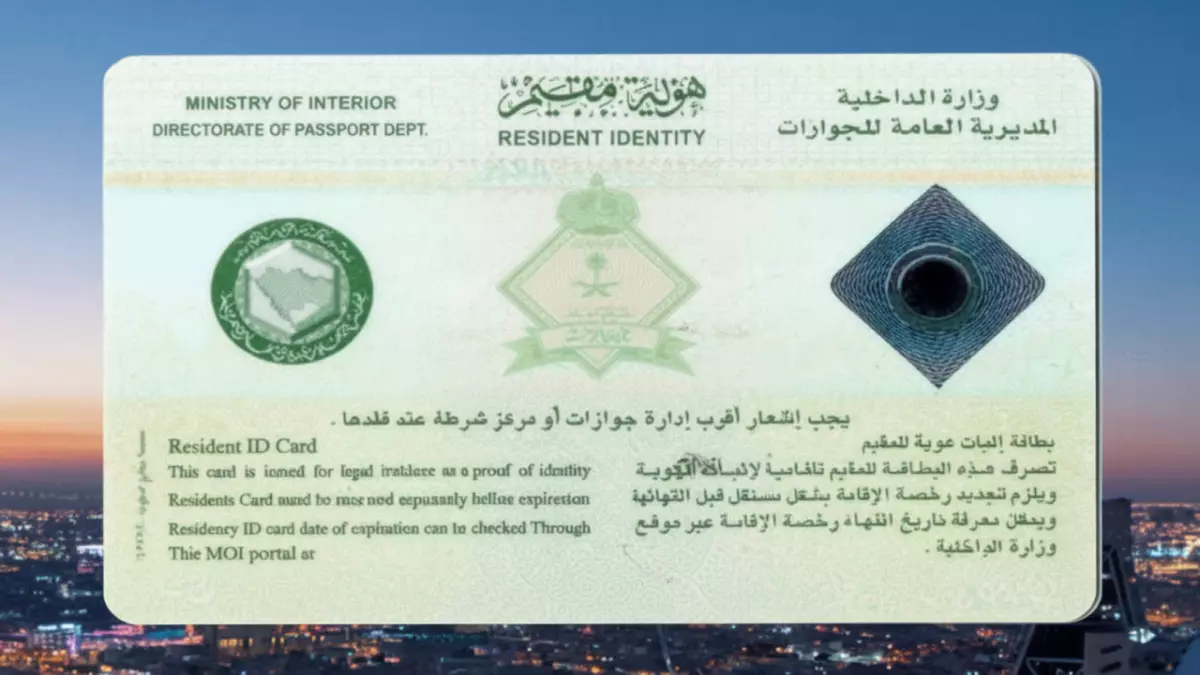
Saudi Arabia’s expatriate community is facing renewed scrutiny over potential changes to residency fees, with recent discussions in local media suggesting a possible increase to 800 Saudi riyals per month starting in 2026. The speculation has sparked concern among foreign workers and their families, many of whom already navigate a complex system of levies tied to the Kingdom’s Vision 2030 economic reform agenda. While no official announcement has been made by Saudi authorities as of May 2024, the topic has gained traction online, prompting questions about affordability, long-term residency plans, and the broader implications for the country’s demographic and economic strategy.
The conversation appears to stem from interpretations of existing fiscal policies rather than confirmed policy shifts. Saudi Arabia currently imposes a monthly fee on expatriate workers and their dependents, known as the expatriate levy or “dependent fee,” which varies based on the number of family members accompanying the primary visa holder. Introduced in 2017 as part of efforts to balance the labor market and reduce reliance on foreign labor in certain sectors, the fee has undergone periodic adjustments. As of 2024, the standard monthly charge for each dependent is 400 riyals, while primary applicants pay a separate fee tied to their occupation and employer sponsorship.
Any potential increase to 800 riyals per month per resident would represent a significant escalation, effectively doubling the current dependent fee and raising annual costs to 9,600 riyals per individual. For a family of four, this could amount to nearly 38,400 riyals annually in residency-related expenses alone, not including visa renewal charges, health insurance requirements, or other administrative costs. Such a shift would disproportionately affect lower- and middle-income expatriate households, particularly those from South and Southeast Asia, who constitute a large portion of the Kingdom’s foreign workforce.
To date, no royal decree, ministerial statement, or official publication from the Ministry of Finance, General Directorate of Passports (Jawazat), or Ministry of Human Resources and Social Development has confirmed a planned increase to 800 riyals for 2026. The Saudi government routinely publishes updates to residency and labor policies through official channels such as the Saudi Gazette, the Umm Al-Qura newspaper, and the Absher portal. A review of these sources as of May 2024 reveals no published drafts or announcements indicating such a change.
However, the discussion reflects broader trends in Saudi fiscal policy aimed at increasing non-oil revenue streams. Vision 2030, the Kingdom’s long-term economic diversification plan, includes measures to reduce budget dependence on hydrocarbons by expanding taxes and fees. In recent years, Saudi Arabia has introduced a value-added tax (VAT), increased excise duties on tobacco and sugary drinks, and adjusted various government service fees. The expatriate levy itself was designed, in part, to generate revenue while encouraging private sector employers to prioritize hiring Saudi nationals—a policy known as Saudization or Nitaqat.
According to data from the General Authority for Statistics (GaStat), Saudi Arabia hosted approximately 13.4 million expatriates as of mid-2023, representing about 41% of the total population. Of these, around 7.6 million were male workers and 5.8 million were dependents, including spouses and children. The majority originate from countries such as India, Pakistan, Bangladesh, Egypt, and the Philippines. Any change to residency fees would therefore impact a substantial segment of the population, with potential ripple effects on remittance flows, school enrollment, and demand for housing and retail services.
Experts note that while higher fees could contribute to national revenue goals, they also risk undermining the Kingdom’s efforts to attract and retain skilled foreign professionals in sectors like healthcare, engineering, information technology, and education. Saudi Arabia has launched several initiatives in recent years to improve the expatriate experience, including the introduction of a premium residency program (often referred to as the “Saudi Green Card”), flexible work permits, and extended visit visas for families. These efforts aim to position the Kingdom as a competitive destination for global talent, particularly as it seeks to develop mega-projects like NEOM, the Red Sea Project, and Qiddiya.
The premium residency program, launched in 2019, offers qualified investors, entrepreneurs, and professionals the option to obtain renewable residency without the need for a Saudi sponsor. Fees for this program range from 100,000 riyals annually for a one-year permit to 800,000 riyals for a permanent residency option. While distinct from the standard expatriate levy, it highlights the government’s tiered approach to residency based on economic contribution.
Officials have not indicated any plans to eliminate the annual renewal requirement for standard residency permits, despite rumors circulating online about a shift to multi-year or lifetime cards. As of May 2024, expatriates must still renew their residency permits (iqama) annually, typically through their employer’s sponsorship, and pay associated fees via the Absher platform or at Jawazat offices. Failure to renew on time can result in fines, deportation, or travel bans.
For expatriates concerned about potential cost increases, official guidance remains available through the Ministry of Foreign Affairs’ overseas offices, the Saudi Embassy in their home countries, and the Ministry of Human Resources and Social Development’s Taqat portal. Employers are also responsible for informing employees of any changes to sponsorship terms or financial obligations under their work contracts.
As of now, the discussion around an 800-riyal monthly fee remains unverified by authoritative sources. Journalists and analysts advise relying on official government communications rather than social media speculation when assessing changes to residency policies. The Saudi government typically provides advance notice of major regulatory shifts through press releases, council of ministers resolutions, and publications in the official gazette.
Those seeking the most accurate and up-to-date information should monitor the websites of the Ministry of Finance (Ministry of Finance), the General Directorate of Passports (General Directorate of Passports), and the Ministry of Human Resources and Social Development (Ministry of Human Resources and Social Development). Updates are also frequently shared via the Absher platform (Absher), which serves as the primary interface for residency, visa, and civil affairs transactions.
Until an official announcement is made, expatriates are encouraged to maintain current residency status, ensure timely renewals, and consult with their employers or legal advisors regarding any potential impacts on their employment contracts or family sponsorship status. The coming months may bring greater clarity as Saudi Arabia continues to refine its economic policies in alignment with Vision 2030 objectives.
Have you experienced changes to residency fees in Saudi Arabia? Share your insights in the comments below, and consider sharing this article with others who may locate it informative.