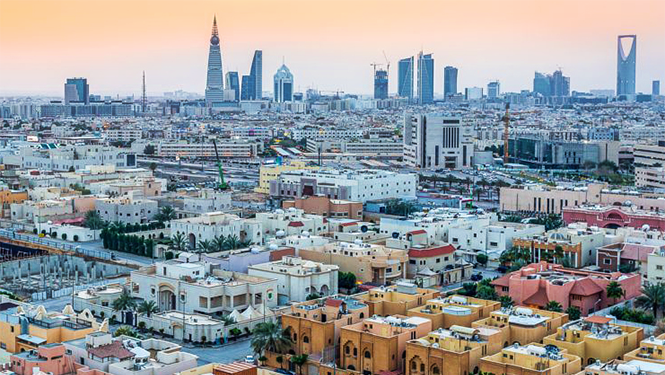
The Saudi Arabian real estate market recorded a total transaction value of 22.6 billion Saudi Riyals (SAR) during May 2026, according to official market data. This figure represents a period of significant volatility and structural shifts within the Kingdom’s property sector, as three specific administrative regions accounted for approximately 86% of the total transaction volume. These findings align with broader indicators of a cooling market, as the country balances ambitious infrastructure development with changing investor sentiment and affordability challenges.
Jonathan Reed reporting for World Today Journal. As the Saudi real estate sector navigates a transition phase, the concentration of capital in select regions highlights an uneven recovery path. While transaction values remain in the tens of billions, industry analysts have noted a cooling in residential activity, driven by shifting economic conditions and regional geopolitical factors.
Regional Concentration of Real Estate Capital
Data regarding the May 2026 market activity indicates that the vast majority of investment liquidity is flowing into three primary hubs. By consolidating 86% of the 22.6 billion SAR in transactions, these hubs continue to serve as the primary engines for the Kingdom’s property market, despite broader macroeconomic headwinds. This concentration underscores a flight to quality and stability, where investors prioritize established urban centers over secondary markets.
The concentration of capital into these three regions mirrors the ongoing urbanization trends mandated by the Kingdom’s economic diversification strategies. However, market experts caution that this high concentration leaves the overall national figures susceptible to localized policy changes and fluctuations in regional housing demand. The reliance on these specific hubs remains a critical metric for monitoring the health of the Saudi property market throughout the remainder of 2026.
Shifting Trends in Residential Real Estate
While transaction values remain substantial, the residential sector has experienced a notable divergence between the number of deals and their total value. Reports from market observers suggest a 71% decline in the value of residential transactions, even as the volume of individual deals shows a different trajectory. This discrepancy indicates that while market participation remains active, the average ticket size per transaction has decreased, reflecting a broader correction in property valuations.
According to analysis from Knight Frank, residential real estate transactions in the Kingdom saw a contraction of 57% during the recent observation period. This decline is attributed to a combination of reduced affordability for domestic buyers and dampened investor sentiment, which researchers link to the ongoing regional security climate. The decrease in transaction capacity is a direct response to the rising cost of entry and the cautious stance of institutional investors currently assessing their portfolios in light of geopolitical risks.
Market Correction and Industrial Dynamics
For the first time in several years, official sector reports indicate a downward trend in property prices across key segments. This correction is being viewed by some analysts as a necessary recalibration rather than a long-term downturn. The adjustment in pricing is occurring alongside a more nuanced performance in the industrial real estate sector. According to JLL’s assessment of industrial real estate dynamics for the first quarter of 2026, the sector is currently undergoing a structural transformation as logistics and manufacturing demand continue to evolve.
The industrial sector, unlike the residential market, is benefiting from the Kingdom’s focus on supply chain localization and logistics infrastructure. While residential markets grapple with affordability and sentiment, industrial assets are increasingly viewed as a hedge against volatility, provided they are located within the high-growth corridors that align with national development goals. The interplay between these two sectors—residential and industrial—will likely define the market narrative for the second half of 2026.
Future Outlook and Data Transparency
The Saudi real estate market is expected to remain under close scrutiny as stakeholders await the next round of quarterly performance indicators. With the government’s commitment to transparency through the Ministry of Justice and the Real Estate General Authority (REGA), investors can track these developments through official portal updates. Market participants are currently monitoring whether the current price correction will stimulate new demand or if the decline in sentiment will persist into the next fiscal quarter.
For those tracking the Saudi property landscape, official records remain the most reliable source for assessing regional performance and value shifts. As the market enters a period of consolidation, further updates regarding regulatory changes and housing supply initiatives are expected to be released by the relevant authorities in the coming months. We invite readers to share their insights or questions regarding these market shifts in the comments section below.
Worth a look
- UPI Transaction Charges: Government Clarifies No Fees for Users, MDR Possible for High-Value Merchant Payments
- Senate Approves Vote: 50 Senators Greenlight Measure Despite Democratic Opposition
- iPhone 17 Prices May Increase as Early as Monday, Rumors Suggest (time.news)
- Intraracial Violence Trends in Mississippi: Analysis by Nicole Henderson (news-usa.today)