In the high-stakes arena of global energy, few entities command as much influence as Saudi Aramco. The state-owned energy giant continues to reinforce its position not merely as a producer of hydrocarbons, but as a master of industrial scale. From the depths of the Arabian Gulf to the shipyards of East Asia, the company is currently executing one of the most ambitious offshore expansions in history, signaling a long-term commitment to maintaining its role as the world’s primary energy stabilizer.
Central to this strategy is the Marjan project, a massive undertaking designed to unlock vast reserves of oil and gas. This initiative is more than a routine capacity increase; It’s a sophisticated integration of global engineering and strategic diplomacy. By leveraging international partnerships to build infrastructure of unprecedented size, Aramco is ensuring that its maximum sustainable capacity remains responsive to the volatility of global demand.
As the energy landscape shifts toward a diversified mix, Aramco’s approach remains rooted in a pragmatic reality: the world still relies heavily on reliable, low-cost hydrocarbon production. The scale of the Marjan expansion reflects a calculated bet that high-efficiency, large-scale offshore production will remain the bedrock of energy security for decades to come.
The Marjan Expansion: Scaling Offshore Capacity
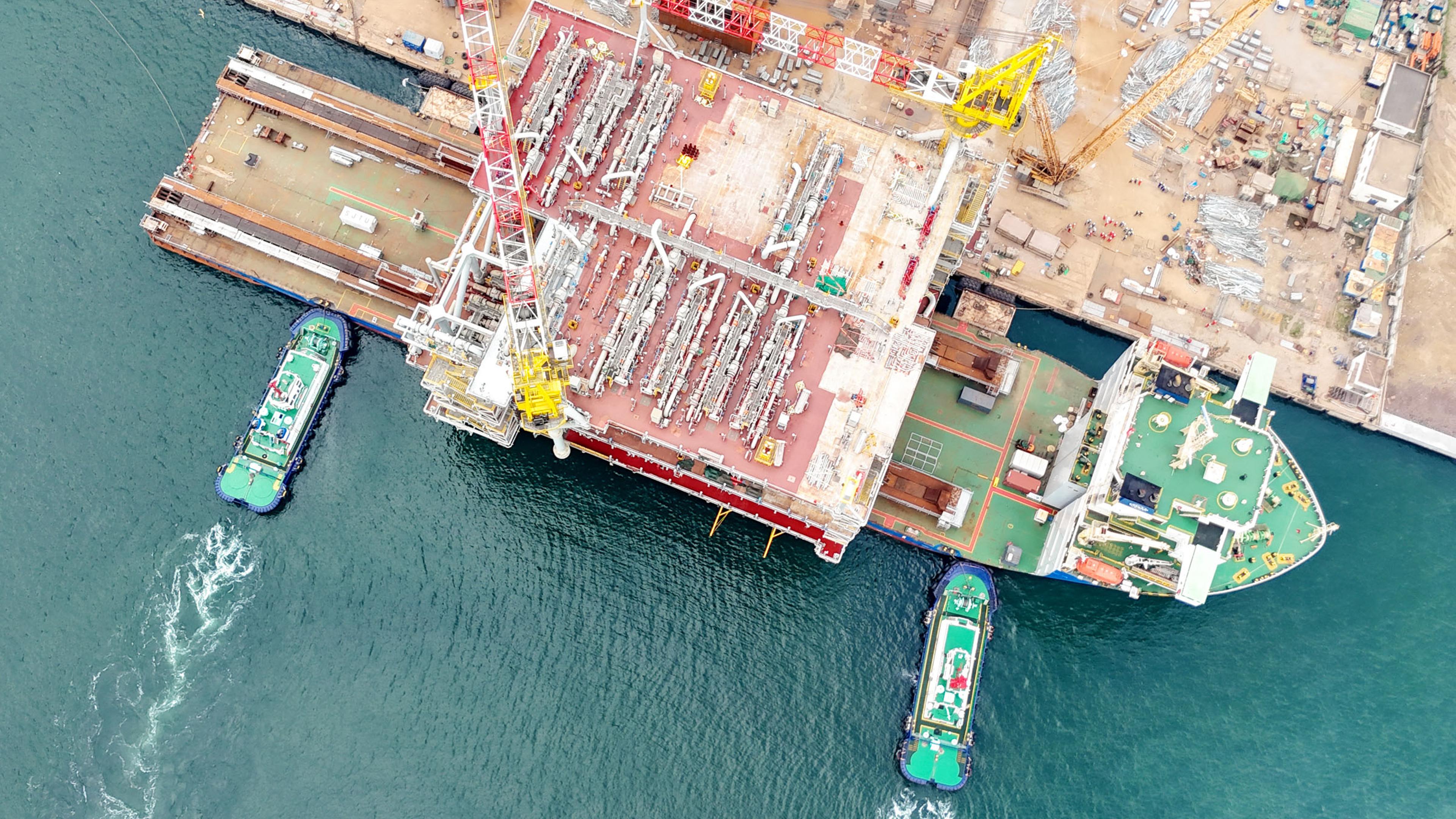
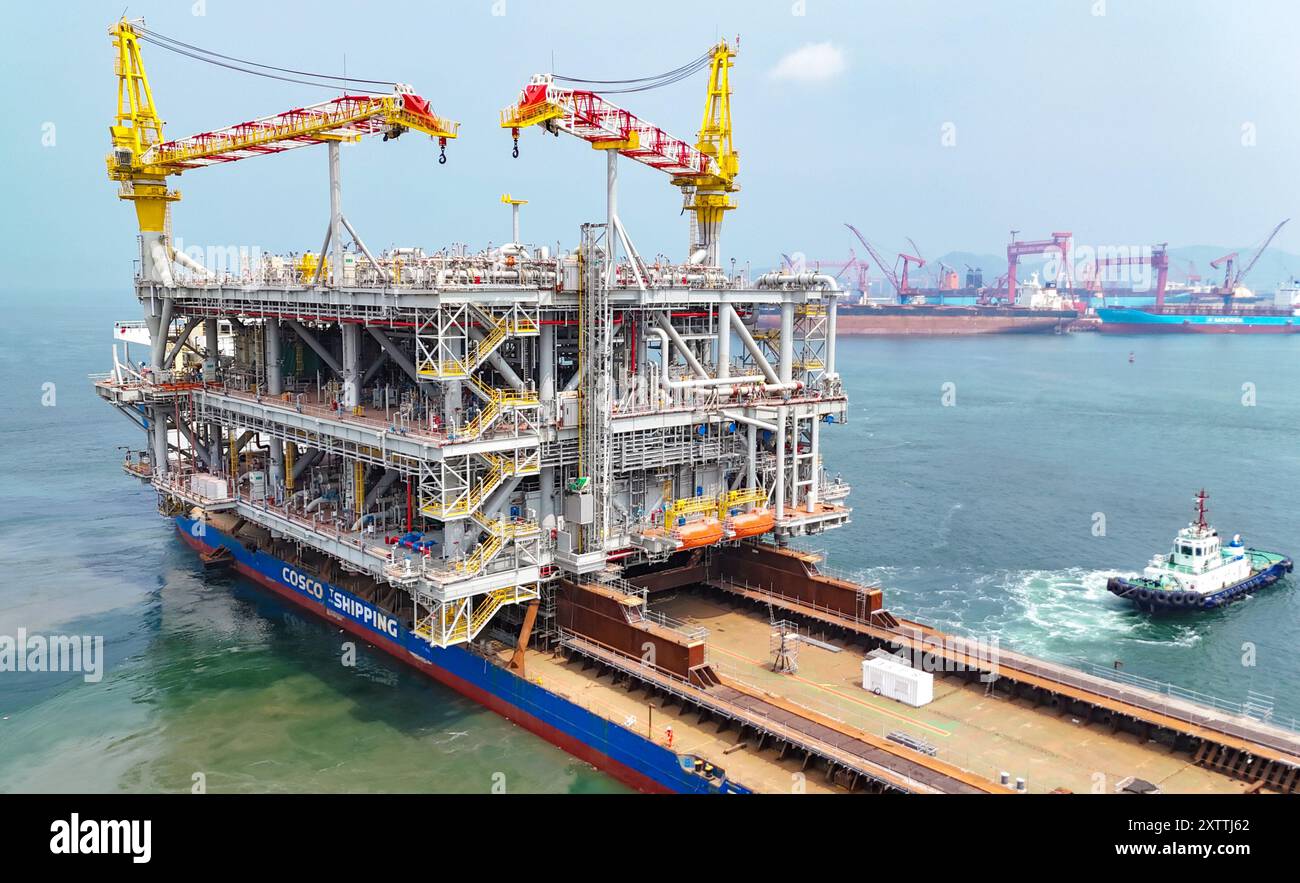
The Marjan field, located in the Arabian Gulf, stands as one of Saudi Arabia’s most critical offshore assets. To optimize the extraction of these reserves, Saudi Aramco has embarked on a comprehensive expansion program. A pivotal moment in this timeline occurred in August 2024, when a massive oil and gas gathering and transportation platform—the largest international offshore platform ever constructed in China—was shipped from the Qingdao West Coast New Area in Shandong province to the Kingdom of Saudi Arabia.
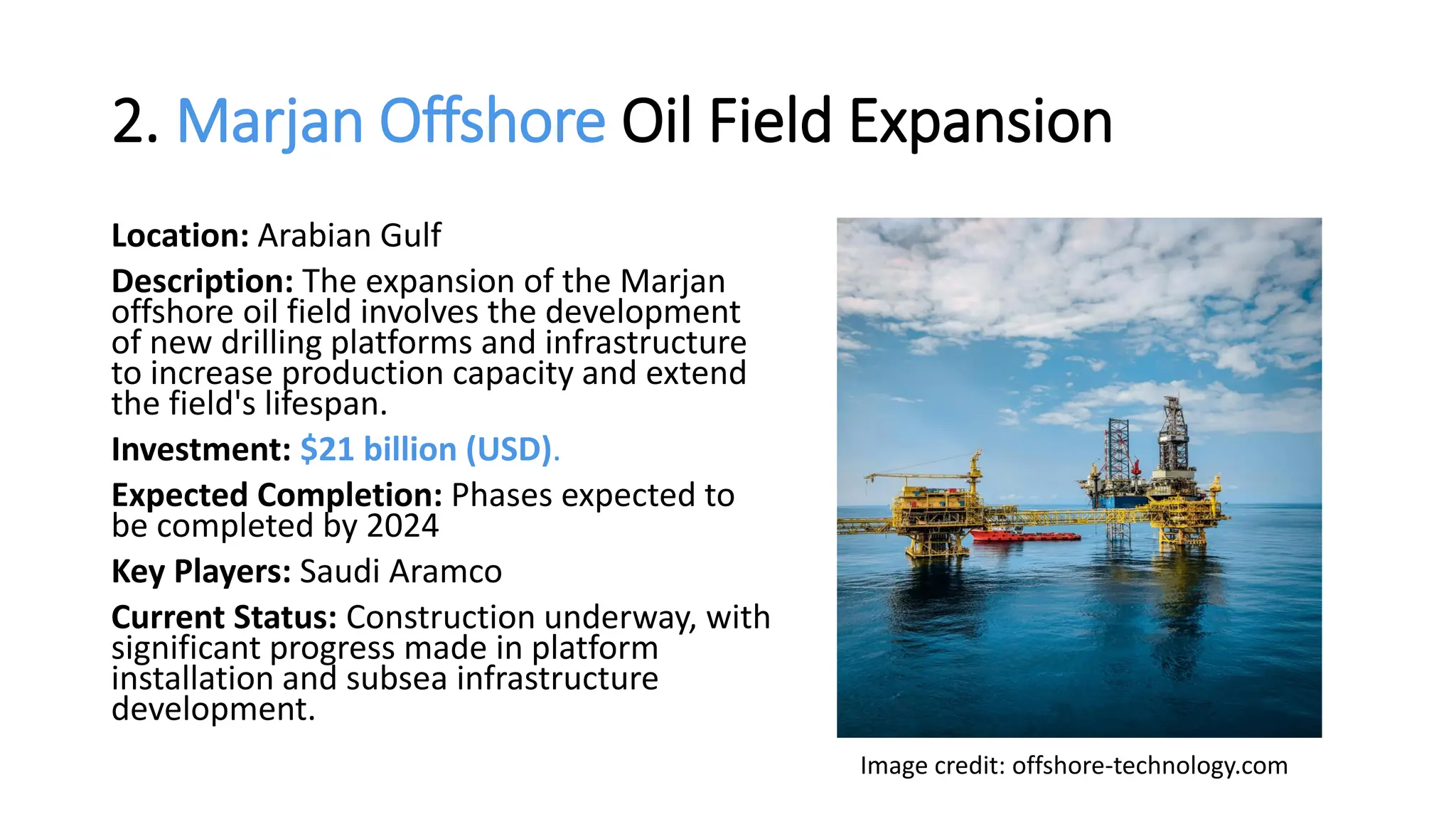
This platform is a cornerstone of the Marjan incremental development. By deploying such massive infrastructure, Aramco aims to significantly increase the field’s production capacity, ensuring a steady flow of crude oil and associated gas. The project involves the installation of multiple platforms, extensive subsea pipelines, and advanced processing facilities, all designed to operate in the challenging environment of the Gulf’s shallow waters.
The strategic importance of the Marjan field lies in its ability to contribute to Saudi Arabia’s Saudi Aramco production targets. By enhancing the efficiency of gathering and transportation, the company reduces the time between extraction and export, lowering the overall cost per barrel and increasing the agility of the Kingdom’s energy exports.
The China Connection: Engineering at a Global Scale
The construction of the Marjan platforms underscores a deepening industrial synergy between Saudi Arabia and China. The decision to outsource the fabrication of these behemoths to Chinese shipyards is a testament to the scale of engineering capability now available in the region. The shipment from Qingdao represents a successful marriage of Saudi energy requirements and Chinese heavy-industrial expertise.
This partnership extends beyond simple procurement. The collaboration involves complex logistics, where thousands of tons of steel and precision machinery are fabricated in East Asia and transported across oceans to be installed in the Arabian Gulf. This cross-continental supply chain reflects the geopolitical reality of the modern energy era, where the infrastructure of the West Asian energy corridor is increasingly built with East Asian technology.
these projects align with the broader economic ties between Riyadh and Beijing. As China remains one of the largest importers of Saudi crude, the integration of Chinese engineering into the very infrastructure that produces that oil creates a symbiotic relationship that transcends simple buyer-seller dynamics.
Financial Resilience and the Saudi Economy
The capital intensity of projects like Marjan is supported by Saudi Aramco’s formidable financial standing. The company consistently reports some of the highest net incomes of any corporate entity globally, providing it with the internal liquidity to fund multi-billion dollar infrastructure projects without compromising its dividend commitments to the Saudi state.
For the Saudi government, Aramco is the primary engine of the national budget. The revenue generated from these expanded capacities is not merely for profit but is the fundamental fuel for Saudi Vision 2030, the Kingdom’s comprehensive blueprint to reduce its dependence on oil. Paradoxically, the path to a post-oil economy requires the maximum optimization of oil assets in the short and medium term to fund the transition into tourism, technology, and renewable energy.
Investors and analysts closely monitor Aramco’s capital expenditure (CAPEX) to gauge the company’s outlook on long-term demand. The continued investment in the Marjan and Berri fields suggests that the company views the demand for hydrocarbons as resilient, particularly in emerging markets where energy access remains a primary driver of economic growth.
Balancing Hydrocarbons with the Energy Transition
While the Marjan project focuses on traditional hydrocarbons, Saudi Aramco is simultaneously pivoting toward a broader energy portfolio. The company is investing heavily in blue hydrogen and carbon capture and storage (CCS) technologies, aiming to lower the carbon intensity of its production processes.
The goal is to create “circular carbon economy” models where emissions are reduced, reused, or removed. By integrating these technologies into new projects like Marjan, Aramco hopes to maintain its market share in a world that is increasingly sensitive to the environmental impact of fossil fuels. This dual-track strategy—maximizing oil capacity while pioneering decarbonization—is designed to mitigate the risks of the global energy transition.
The company’s role in the Organization of the Petroleum Exporting Countries (OPEC) also adds a layer of complexity. Aramco must balance its internal drive for capacity expansion with the collective production quotas of OPEC+, ensuring that the increase in potential supply does not lead to price instability in the global market.
Key Takeaways for Global Energy Markets
- Infrastructure Scale: The deployment of China-built platforms for the Marjan field represents a new peak in offshore engineering and international industrial cooperation.
- Strategic Capacity: The expansion is designed to maintain and increase Saudi Arabia’s maximum sustainable capacity, ensuring the Kingdom can act as a swing producer for global energy security.
- Financial Synergy: High net incomes from current production are being strategically reinvested into infrastructure that will fund the broader Saudi Vision 2030 diversification goals.
- Transition Pragmatism: Aramco is pursuing a dual strategy of maximizing hydrocarbon efficiency while investing in hydrogen and carbon capture to address climate goals.
As the Marjan platforms are integrated into the Gulf’s network, the next critical checkpoint will be the official commissioning of the expanded production facilities and the subsequent reporting of increased output volumes in the company’s quarterly operational updates. These milestones will provide the definitive measure of the project’s success and its impact on global supply chains.
We invite our readers to share their perspectives on the balance between energy security and the global transition in the comments below.