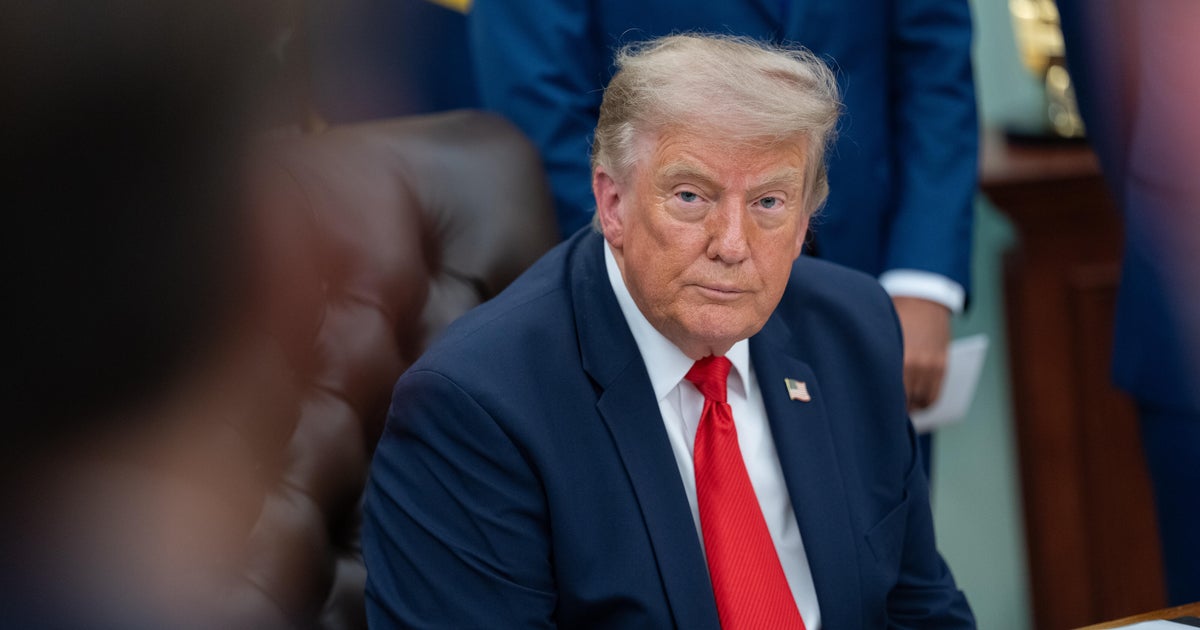
Saudi Crown Prince Mohammed bin Salman spoke to President Donald Trump by phone to express serious concern over plans for massive new U.S. strikes against Iran, according to Axios. The conversation followed a series of high-level diplomatic and military engagements in Washington as the Middle East conflict entered its sixth month.
Saudi Crown Prince Urges De-escalation as Trump Weighs Iran Strikes
President Trump is seriously considering attacking Iranian energy targets in the coming days in response to an Iranian missile strike on a U.S. base in Jordan and ongoing disruptions of shipping through the Strait of Hormuz, though he has not yet issued final orders, Axios reported. The potential escalation threatens a conflict that has repeatedly paused for diplomatic openings only to resume when talks stalled.
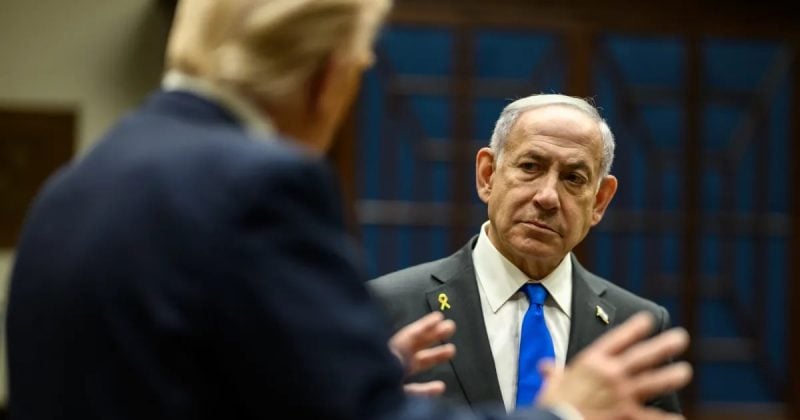
During the call, the Saudi Crown Prince urged President Trump to de-escalate and refrain from launching the planned strikes. The Saudis expressed concern and asked for clarity about the plan of action,
a U.S. official told Axios, while a second source confirmed that Mohammed bin Salman pressed for restraint.
Competing Pressures from Regional Allies
The diplomatic outreach from Riyadh coincided with an unannounced White House visit by Saudi Defense Minister Prince Khalid bin Salman, who met with Vice President JD Vance and President Trump, according to News18 and AA.
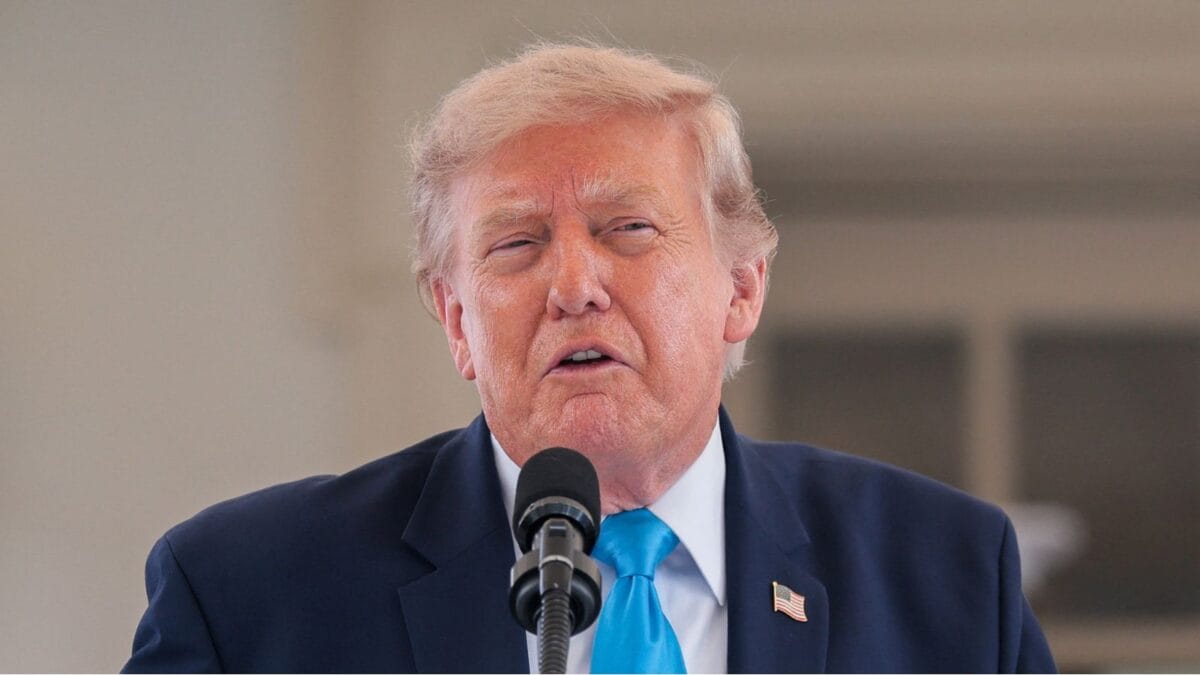
The Saudi defense minister conveyed the kingdom’s assessment that Iran is seeking leverage through proxy forces, including the Houthis in Yemen and militias in Iraq, as reported by Cbsnews. Prince Khalid emphasized that Saudi Arabia favors de-escalation because it represents a more fruitful path for the region, contrasting sharply with the approach advocated by Israeli Prime Minister Benjamin Netanyahu.
Netanyahu met with President Trump in the Oval Office to discuss ways to increase pressure on Iran, including the possibility of resuming a full-scale military campaign, according to News18. Israeli officials defended Netanyahu’s initial four-to-six-week timeline for the intense phase of the war, which has now stretched into its sixth month without a decisive military victory or diplomatic breakthrough.
Joint Strikes and Regional Fallout
The diplomatic maneuvering occurs against a backdrop of active combat and disrupted trade routes. U.S. and Saudi forces carried out precision airstrikes against targets linked to Iranian-aligned groups in Iraq, according to AA. The Popular Mobilization Forces confirmed that the strikes killed at least 20 members, wounded 32, and caused extensive property damage.
Saudi Arabia described the operation as a defensive action under Article 51 of the UN Charter following attacks on its petroleum facilities, while sources close to the kingdom stressed that the military action was intended for self-defense rather than a signal of pro-escalation. Meanwhile, shipping disruptions have impacted commercial transit, with Cbsnews tracking multiple vessels carrying Saudi crude oil making U-turns away from the Bab el-Mandeb Strait after Houthi threats.
Regional mediators, including officials from Qatar, Turkey, Oman, and Pakistan, are continuing talks with Iranian Foreign Minister Abbas Araghchi and U.S. representatives to address the crisis and attempt to reopen the Strait of Hormuz.
- The Missing: The Unsolved Mystery of 859 Infants and 19 Mothers at Bessborough
- US-Iran Conflict: UN Urges De-escalation as Diplomatic Pressure Mounts
- Federal Reserve Chair Kevin Warsh Resists Trump Rate Cuts Amid Inflation (archyworldys.com)
- Japanese Star’s Shocking Saudi Move: British Fans React to Surprise Transfer (archynewsy.com)