
Saudi Arabia’s Public Investment Fund (PIF) is advancing discussions with global investors to secure minority equity stakes in Newcastle United Football Club, with the primary objective of financing a transformative stadium redevelopment project. While the talks remain confidential, insiders confirm that the Saudi-led consortium is exploring creative financing models to bridge the funding gap for what would be one of English football’s most ambitious infrastructure overhauls.
The initiative comes as Newcastle United, now under the ownership of the Saudi-led consortium since October 2021, faces mounting pressure to deliver on its pre-election promises to modernize St James’ Park. With construction costs estimated at over £250 million and ongoing operational expenses, the club’s financial backers are reportedly seeking to diversify funding sources beyond traditional revenue streams. The potential sale of minority stakes—estimated between 10% and 20% of the club’s equity—could unlock hundreds of millions in capital, according to industry sources familiar with the discussions.
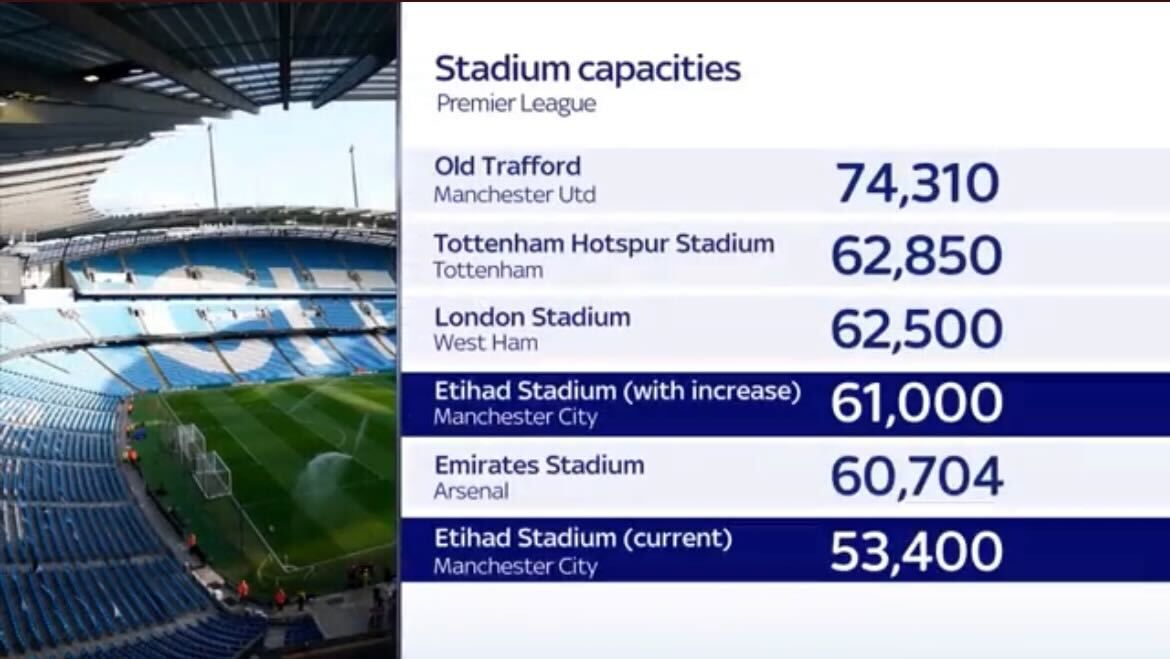
This strategic move aligns with PIF’s broader ambitions to position Newcastle United as a global football brand while addressing the club’s immediate financial needs. The redevelopment of St James’ Park, which includes plans for a new 60,000-seat stadium with state-of-the-art facilities, has become a cornerstone of the Saudi consortium’s vision for the club’s future. However, the process is not without challenges, as potential investors weigh the club’s financial health against the broader economic and political landscape.
Financial Strategy: How Minority Stakes Could Fund the Stadium Project
At the heart of the Saudi PIF’s strategy lies a two-pronged approach: leveraging Newcastle United’s commercial potential while securing external investment to fund the stadium’s construction. Industry analysts suggest that the minority stake sale could generate between £300 million and £500 million, depending on valuation multiples and investor appetite. These funds would be allocated toward:
- Stadium construction: Estimated at £250 million, including design, build, and technology integration.
- Operational upgrades: Enhancing fan experience, hospitality, and digital infrastructure.
- Player and coaching investments: Strengthening the first-team squad and technical staff to compete at the highest level.
- Debt servicing: Reducing the club’s financial leverage following the 2021 acquisition.
While the exact terms of the stake sale remain undisclosed, reports indicate that PIF is engaging with a mix of institutional investors, private equity firms, and high-net-worth individuals. The process is expected to be rigorous, with due diligence focusing on the club’s long-term viability, governance structure, and commercial opportunities in the Premier League.
One key consideration for potential investors is the club’s recent financial performance. Newcastle United’s accounts for the 2023/24 season, released in April 2024, showed a loss before tax of £123.6 million, a slight improvement from the £161.6 million loss recorded in 2022/23. However, the club’s revenue increased by 12% to £312.6 million, driven by commercial growth and matchday income. These figures suggest a stabilizing financial position, though the stadium project remains a significant capital expenditure.
Stakeholder Reactions: What’s at Stake for Newcastle United and English Football
The potential sale of minority stakes in Newcastle United has sparked a mix of reactions across the football landscape:
- Supporters: While some fans welcome the financial injection as necessary for the club’s future, others express concerns about potential dilution of ownership and the influence of external investors on club decisions.
- Competitors: Rival clubs and their owners are monitoring the situation closely, as any changes to Newcastle United’s financial structure could have broader implications for the Premier League’s competitive balance.
- Regulators: The Football Association (FA) and Premier League have yet to comment officially, but they are likely to scrutinize the transaction to ensure compliance with financial fair play regulations.
- Global investors: The opportunity to gain a foothold in one of England’s most historic clubs is attracting interest, though the political and economic risks associated with Saudi investments remain a factor.
For Saudi PIF, this initiative represents a calculated risk with significant upside. By securing external investment, the fund can accelerate the stadium project while maintaining control over the club’s strategic direction. The minority stake model allows PIF to share the financial burden without compromising its long-term vision for Newcastle United as a global football powerhouse.
Broader Implications: What This Means for English Football
The potential sale of stakes in Newcastle United could set a precedent for how financially constrained clubs in English football secure large-scale investments. As traditional revenue streams—such as broadcasting rights and commercial partnerships—become increasingly saturated, clubs are turning to alternative financing models. The Newcastle model, if successful, could inspire similar initiatives across the Premier League.
However, the move also raises questions about the future of football ownership. The increasing involvement of sovereign wealth funds and private equity in European football has led to debates about the sport’s commercialization and the potential for conflicts of interest. For Newcastle United, the challenge will be to balance financial pragmatism with the club’s rich heritage and fan expectations.
One potential hurdle is the political sensitivity surrounding Saudi investments in European football. While the UK government has not imposed restrictions on such transactions, the public and media scrutiny remains high. The Saudi-led consortium’s reputation has been tested in the past, particularly regarding human rights concerns and geopolitical tensions. How Newcastle United navigates these challenges will be critical to the success of the stake sale and the stadium project.
Key Takeaways
- Funding mechanism: Saudi PIF is exploring minority stake sales (10–20%) to raise £300–£500 million for the stadium project.
- Stadium plans: Redevelopment of St James’ Park into a 60,000-seat venue with modern facilities.
- Financial health: Newcastle United’s 2023/24 accounts show improved revenue but ongoing losses, necessitating external investment.
- Investor targets: Mix of institutional investors, private equity firms, and high-net-worth individuals.
- Regulatory scrutiny: FA and Premier League likely to review the transaction for financial fair play compliance.
- Political context: Saudi investments in football remain politically sensitive, requiring careful stakeholder management.
What Happens Next: The Road Ahead for Newcastle United
The timeline for finalizing the minority stake sale remains uncertain, with industry sources suggesting that a decision could be reached within the next 6–12 months. Key milestones to watch include:
- Due diligence completion: Expected by mid-2026, with potential investors conducting thorough financial and operational reviews.
- Regulatory approvals: FA and Premier League reviews, which could take several months.
- Investor presentations: Detailed briefings for shortlisted investors, likely in the coming months.
- Stadium planning permissions: Local council approvals for the redevelopment, a separate but parallel process.
For fans and stakeholders, the next few months will be critical. The success of the stake sale could unlock the funds needed to transform St James’ Park, but it also marks a significant shift in the club’s ownership structure. As Newcastle United prepares to embark on this ambitious project, the balance between financial necessity and fan expectations will define its future.
What are your thoughts on the potential sale of minority stakes in Newcastle United? Should clubs explore such financing models to fund infrastructure projects, or does it risk diluting fan ownership? Share your views in the comments below or join the discussion on our social media channels.
For context on Saudi Arabia’s economic and political landscape, including the role of the Public Investment Fund (PIF), refer to the official Wikipedia entry. The fund, established in 1971, has become a key driver of the kingdom’s economic diversification beyond oil, with significant investments in global sports, technology, and entertainment sectors.
| Metric | 2023/24 Value | 2022/23 Value | Change |
|---|---|---|---|
| Revenue (£ million) | 312.6 | 278.9 | +12% |
| Loss before tax (£ million) | 123.6 | 161.6 | -23% |
| Stadium redevelopment estimate (£ million) | 250+ | N/A | Ongoing |
| Potential stake sale proceeds (£ million) | 300–500 | N/A | Estimated |
| New stadium capacity | 60,000 | 52,305 | +15% |
Sources: Newcastle United Annual Reports (2023/24, 2022/23), industry estimates, and regulatory filings. For the latest updates on the stadium project and ownership structure, visit the official Newcastle United website.
Keep reading