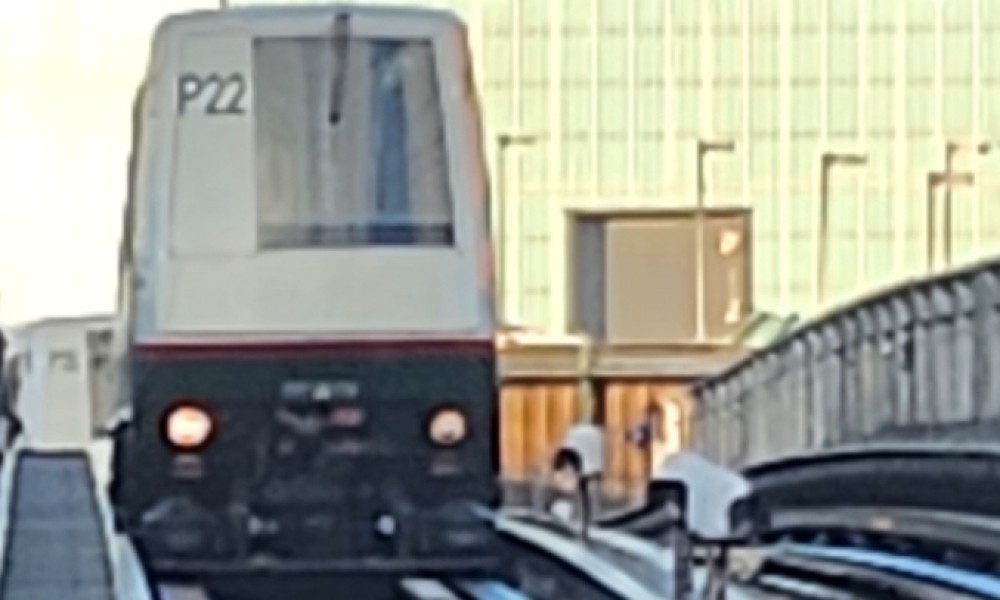
Public calls to preserve the historic VAL 206 metro trainsets in Lille, France, have gained momentum as the Métropole Européenne de Lille (MEL) continues its modernization of the transit network. Advocates are urging officials to avoid scrapping the iconic automated vehicles, which revolutionized urban transit upon their introduction in 1983. The campaign, highlighted by a petition on MyPetition.org, seeks to ensure that at least one of these pioneering units is saved for heritage purposes or museum display, citing the technology’s status as a milestone in global railway history.
The VAL 206—an acronym for Véhicule Automatique Léger—was the world’s first fully automated, driverless light metro system. Developed in the late 1970s and early 1980s by Matra in collaboration with the city of Lille, the system set a new standard for urban mobility. According to the Métropole Européenne de Lille, the transition to newer, higher-capacity trainsets is part of a broader effort to modernize the Line 1 infrastructure, which includes upgrading the signaling and power systems to accommodate modern Alstom Metropolis trainsets.
The Technological Legacy of VAL 206
When the Lille Metro opened in April 1983, it was a global technological curiosity. The VAL system, conceived by engineer Robert Gabillard, utilized rubber-tired vehicles and a fully automated control system that allowed for high-frequency service without the need for onboard staff. This innovation transformed urban planning, as it proved that automated transit was safe, reliable, and capable of operating in dense urban environments.
As noted in historical records maintained by the Association du Musée des Transports Urbains de France (AMTUIR), the VAL 206 design was exported internationally, influencing automated metro systems in cities ranging from Toulouse and Rennes to Taipei and Chicago. The retirement of these original trainsets marks the end of a four-decade era for the Lille network. For rail enthusiasts and historians, the scrapping of these vehicles represents the loss of a significant industrial heritage artifact that defined the technological identity of the Hauts-de-France region.
The Case for Heritage Preservation
The current push to save the VAL 206 units centers on the argument that industrial history requires physical artifacts to remain relevant to future generations. Supporters of the petition argue that the Métropole Européenne de Lille has a duty to preserve at least one representative trainset. Similar preservation efforts have been successful in other European cities, where retired metro rolling stock has been incorporated into public transport museums or cultural exhibitions.
While the MEL has not publicly committed to a specific preservation plan for the retired units, the decommissioning process is governed by strict environmental and waste management regulations. Under French law, the disposal of public infrastructure must follow established circular economy principles, which prioritize recycling and the repurposing of materials. Details regarding the decommissioning timeline and the specific number of units currently being phased out can be found in the official press releases issued by the MEL regarding the deployment of the new Alstom trainsets.
Status of Line 1 Modernization
The replacement of the VAL 206 fleet is not merely a cosmetic change but a technical necessity. The new Metropolis trains, currently being phased into service, are 52 meters long—double the length of the original VAL 206 units. This expansion is designed to increase capacity by 20% during peak hours, addressing the growing ridership of the Lille transit network. According to data published by Ilévia, the operator of the Lille public transport network, the modernization project is expected to be completed in phases, with the older units gradually exiting service as the new fleet reaches full operational status.
For those interested in the history of the system, the City of Lille and the MEL periodically publish updates on their respective digital platforms regarding infrastructure changes. As the decommissioning of the VAL 206 continues, any decision regarding the donation or archiving of a specific unit would likely be processed through the MEL’s executive board. There are no currently scheduled public hearings regarding the preservation of the trainsets, but interested parties can monitor the agendas of the Métropole Européenne de Lille council meetings for future discussions on cultural heritage and asset management.
As the last of the original VAL 206 trainsets face the possibility of being dismantled, the debate highlights the tension between urban progress and the preservation of technological history. Whether the Lille administration will grant a reprieve to a portion of the fleet remains to be seen. Readers are encouraged to follow the official announcements from the MEL for the latest updates on the status of these historic vehicles.