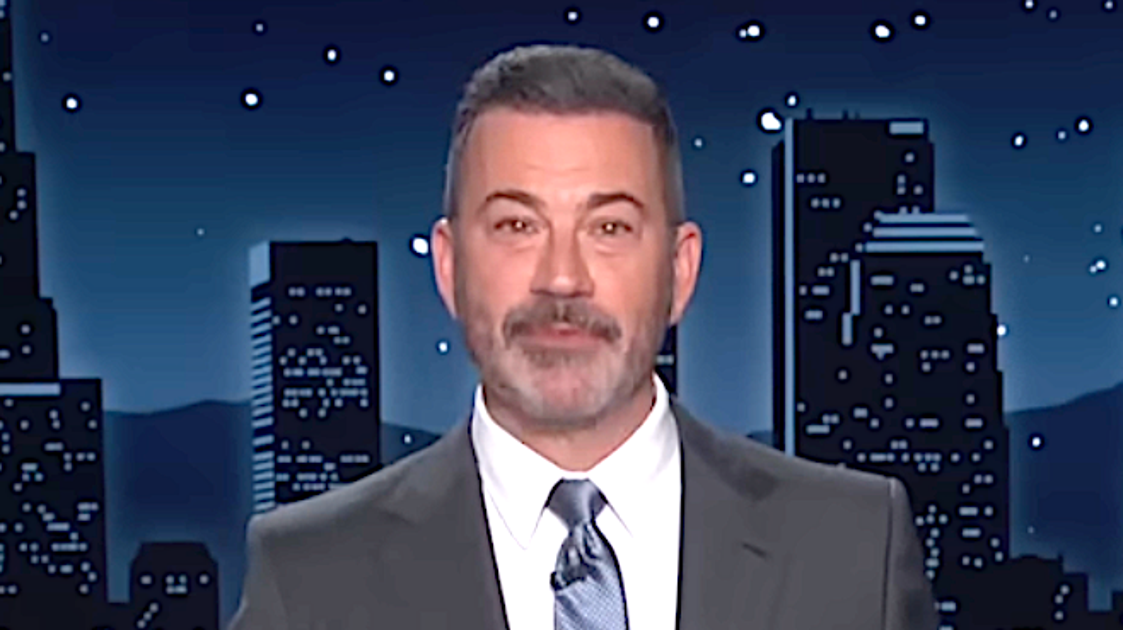
Late-night television host Jimmy Kimmel recently took aim at Donald Trump’s potential attendance at the NBA Finals, using his monologue to mock the former president’s interest in the high-profile sporting event. The remarks, which aired during a broadcast of Jimmy Kimmel Live!, highlighted the ongoing friction between the comedian and the former president, as Kimmel labeled him with a derogatory nickname during a segment focused on current political headlines.
The jab occurred as Kimmel discussed reports regarding Donald Trump’s possible appearance at the championship series. By framing the planned attendance through a satirical lens, Kimmel’s commentary served as a reminder of the deeply polarized nature of modern American political discourse, where entertainment figures frequently utilize their platforms to critique the actions and movements of political leaders. According to records of the broadcast, the host’s remarks were met with applause from the studio audience, reflecting the segment’s intended comedic tone.
This incident is the latest in a long-standing history of public exchanges between the two, characterized by frequent social media posts and televised barbs. While such commentary is a staple of late-night comedy, it underscores the broader intersection of celebrity influence and presidential politics in the United States. For viewers interested in the official schedule of the NBA Finals, the league provides verified information through its official NBA website, which lists game times, venues, and broadcast details for the ongoing series.
The Intersection of Politics and Pop Culture
The critique offered by Kimmel is reflective of a wider trend in late-night entertainment, where hosts often leverage political tension to drive viewership and audience engagement. By focusing on high-visibility events like the NBA Finals, Kimmel aimed to connect a massive cultural moment with his political commentary. Such segments are carefully crafted to resonate with a specific demographic that values sharp, opinionated humor over traditional news reporting.
In the context of the 2026 election cycle, political figures have increasingly sought high-profile venues—including sports arenas—to maintain visibility among voters. According to analysis from the Pew Research Center, the consumption of news through entertainment-based media has become a significant factor in how the American electorate perceives political candidates. While Kimmel’s comments were delivered in a comedic format, they function as a form of political signaling that reinforces his established stance against the former president.
Public Reaction and the Role of Late-Night Hosts
The reaction to Kimmel’s monologue has been divided along predictable partisan lines, consistent with the current political landscape. Supporters of the host often view these segments as a necessary form of satire, while critics argue that such comments cross the line into unprofessional conduct. This dynamic is a common feature of the late-night genre, which has long served as a battleground for cultural debates.

For those tracking the impact of media on public perception, the frequency of these segments provides a case study in how television hosts shape narratives regarding political figures. As the 2026 political calendar progresses, audiences can expect similar commentary, particularly as candidates continue to make public appearances at major sporting events. Official updates regarding candidate travel and public appearances are typically released through campaign press offices, which serve as the primary source for verified logistical information.
What Happens Next?
As the NBA Finals progress, the focus remains on whether Donald Trump will indeed confirm his attendance at a future game. Any official announcement regarding a high-profile political figure’s attendance at a public venue is usually vetted by security details and the event organizers to ensure compliance with venue regulations and safety protocols. According to the U.S. Secret Service, protective measures are standard for former presidents, though specific security arrangements for private events are rarely publicized in advance.

The next major checkpoint in the political calendar will involve upcoming primary debates and scheduled campaign rallies, which will likely be covered extensively by major news organizations. Readers are encouraged to verify information regarding political events through official campaign filings and press releases rather than relying solely on secondary entertainment commentary. We invite our readers to share their thoughts on the role of late-night television in shaping political discourse in the comments section below.