
In the evolving landscape of digital security, a concerning trend has emerged where scammers are abusing an internal Microsoft account to deliver malicious content directly to user inboxes. By exploiting infrastructure configurations, threat actors have found ways to leverage legitimate domains typically reserved for official system notifications. This tactic represents a sophisticated shift in how phishing campaigns operate, as they move away from obvious spoofing toward the subversion of trusted enterprise communication channels.
For users and organizations alike, the danger lies in the high degree of perceived legitimacy. When an email originates from a domain that a security gateway recognizes as “trusted,” traditional filters may inadvertently allow the message to bypass standard protections. This development highlights a critical challenge for cybersecurity professionals: the inherent trust placed in established cloud service infrastructure is increasingly being weaponized to facilitate credential harvesting and unauthorized access.
The Mechanics of Trusted Domain Abuse
At the heart of this issue is the manipulation of tenant-level configurations within enterprise environments. Rather than relying on external, suspicious-looking domains, attackers are increasingly embedding phishing lures within the infrastructure of platforms like Microsoft 365. By misconfiguring tenant properties or exploiting complex routing scenarios, these actors ensure that the emails appear to come from the very services users rely on for daily operations, such as billing alerts or account security notifications.
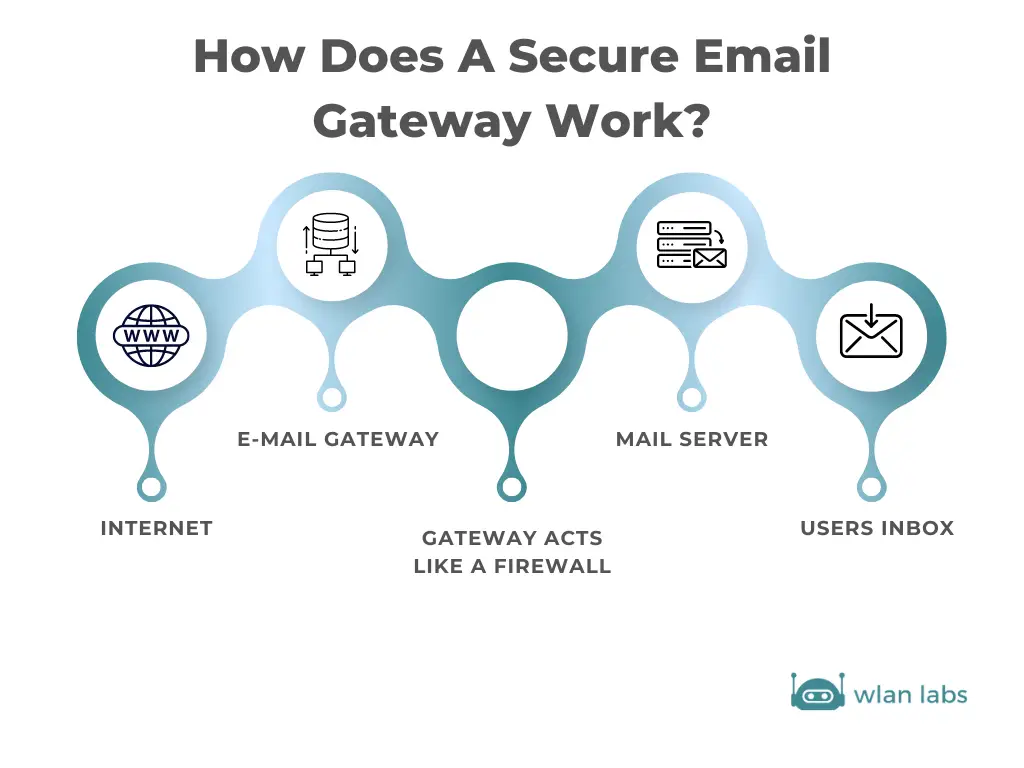
This approach effectively bypasses the Secure Email Gateways (SEGs) that many enterprises rely on to flag phishing attempts. Because the email infrastructure itself is legitimate, the metadata associated with these messages often passes initial authentication checks, such as SPF, DKIM, and DMARC. According to security research, attackers have begun to abuse tenant display names and billing subscription email templates, making the phishing attempts nearly indistinguishable from genuine administrative correspondence. For a deeper look at how these sophisticated campaigns operate, security teams can review official Microsoft guidance on anti-phishing protection.
Why Traditional Defenses Are Struggling
The core of this problem is the “inherent trust” mechanism. Historically, email security has been built on the premise that if a sender’s domain is verified, the content is likely safe. However, as adversaries refine their techniques, this binary view of trust is becoming a liability. When a phishing link is embedded in an email that is technically “authenticated” by the platform’s own internal routing, the signal-to-noise ratio for security analysts becomes significantly more difficult to manage.

Here’s not merely a technical glitch but a strategic exploitation of how modern cloud-based automation environments are structured. Recent reports have indicated that compromised npm packages and other CI/CD pipeline vulnerabilities are also being used to steal credentials, showing that the modern threat actor is looking at the entire enterprise software supply chain, not just the user’s inbox. Organizations are encouraged to monitor the Microsoft Security Blog for updates on emerging threats and recommended defensive configurations.
Practical Steps to Enhance Organizational Security
While the sophistication of these campaigns is high, You’ll see specific steps that administrators and users can take to mitigate the risk. The goal is to move toward a “Zero Trust” model, where even communications from known entities are treated with a degree of skepticism.
- Verify the Context: Always check the actual destination of a link by hovering over it before clicking, and look for inconsistencies in the email’s tone or urgency.
- Review Tenant Settings: IT administrators should regularly audit Microsoft 365 tenant configurations, specifically looking for unusual routing rules or misconfigured external sharing settings.
- Implement Advanced Threat Protection: Utilize tools that perform real-time analysis of embedded links and attachments, rather than relying solely on sender domain reputation.
- Educate End-Users: Security awareness training should specifically highlight the risk of “trusted” emails that ask for sensitive credentials or prompt users to visit external, non-corporate portals.
For those managing enterprise environments, the Microsoft 365 Tenant Allow/Block List documentation provides essential information on how to manage and report suspicious entities that may be abusing service infrastructure.
Moving Toward a More Secure Future
The situation remains fluid, and as security vendors and platform providers patch these specific routing loopholes, attackers are likely to shift their tactics to new vulnerabilities. The responsibility for maintaining a secure environment is now a shared effort between the service provider, the enterprise IT department, and the individual end-user. By maintaining a posture of constant vigilance and adhering to rigorous identity and access management (IAM) standards, organizations can drastically reduce their surface area for potential account takeovers.
We will continue to monitor this situation as further technical details emerge and as security providers release updated detection patterns. If you have encountered suspicious emails that appear to originate from legitimate service accounts, ensure that you report them through your organization’s designated security incident response channel rather than simply deleting them. This data is vital for building the automated defenses of tomorrow.
What are your thoughts on how we can better secure our digital communication channels? Share your experiences and questions in the comments section below.
- Social Media Giants Face Historic Lawsuit Over Mental Health Impact
- Apple Signals September iPhone Event Date and Schedule Clues
- Microsoft Attributes CaptiveCrunch to Russian Threat Actor Midnight Blizzard (archynewsy.com)
- Microsoft Links CaptiveCrunch to Russian Threat Actor Midnight Blizzard (newsdirectory3.com)