
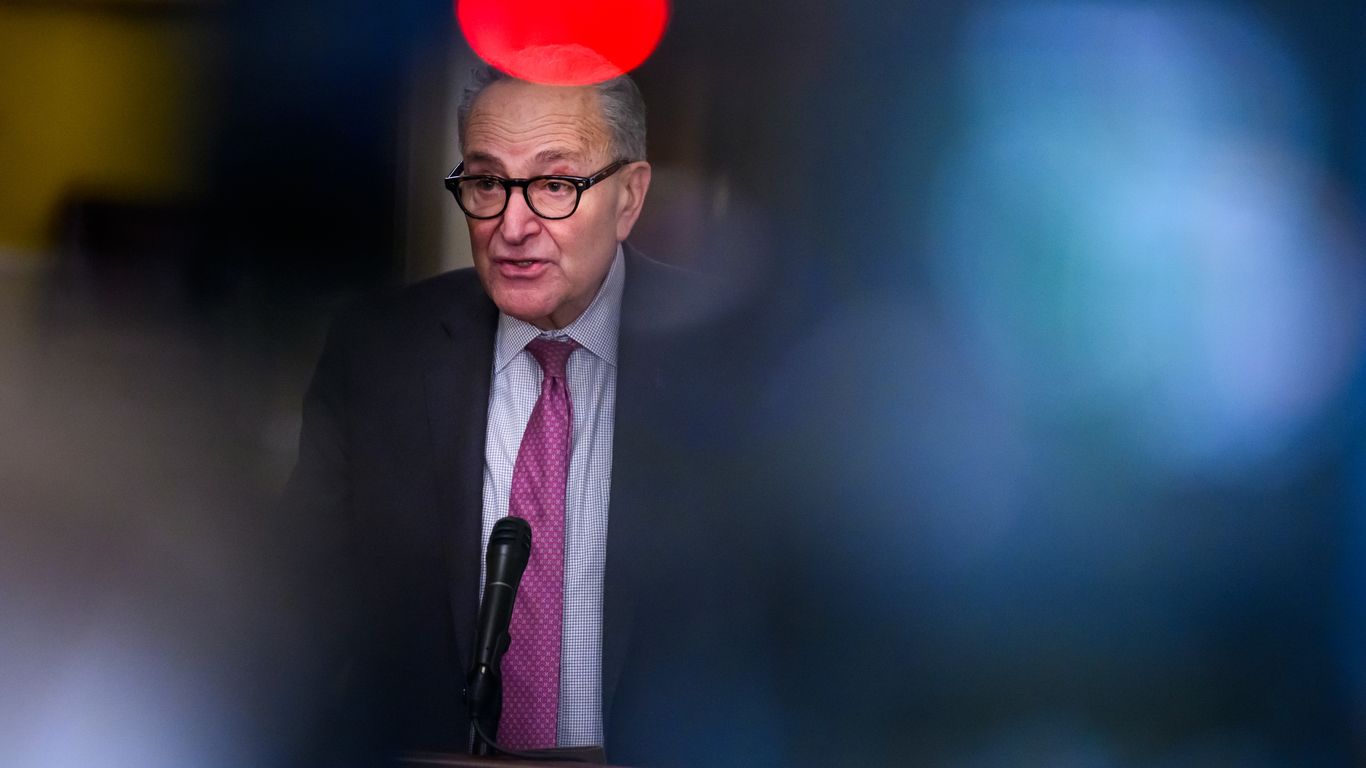
Growing Democratic Discontent: Calls Mount for Chuck Schumer to Step Down as Senate Leader
A significant and escalating rift is forming within the Democratic party, centered around the leadership of Senate Majority Leader Chuck Schumer.Following his vote in March on a Republican spending bill – a move perceived by some as a betrayal of progressive principles – a chorus of calls for his resignation is growing louder. This isn’t just coming from the fringes; prominent House members and influential grassroots organizations are now actively pushing for a change at the top.
The Rising Tide of Criticism
the discontent began with Reps. Delia Ramirez (D-Ill.) and Glenn Ivey (D-Md.) publicly demanding Schumer’s departure. Ramirez reiterated her stance on Monday via X (formerly Twitter), stating plainly, “Schumer needs to resign.” This sentiment is resonating with a growing number of democrats who feel Schumer has compromised too often.
Here’s a breakdown of the key voices adding to the pressure:
* House Democrats: Beyond Ramirez and Ivey, Rep. Emily Randall (D-Wash.) signaled her preference for Sen. Patty Murray (D-Wash.) as a potential leader. Rep. Mark Pocan (D-Wisc.) sharply criticized Schumer’s handling of the recent shutdown threats and his public silence regarding New York Mayor-elect Zohran Mamdani.
* Grassroots Organizations: Groups like Indivisible are mobilizing voters, urging them to contact their senators and demand Schumer step aside. They are also actively supporting primary challengers who pledge to oppose Schumer’s continued leadership.
* moveon: A recent survey revealed that approximately 80% of moveon members believe Schumer should relinquish his leadership role, demonstrating widespread dissatisfaction within the progressive base.
* Senate Candidates: Several Democratic senate hopefuls - including Moulton (Iowa), Nathan Sage (Iowa), Zach Wahls (Iowa), and graham Platner (Maine) – have also publicly called for a change in leadership.
A Complex Situation: Schumer’s Defense and the Underlying Anger
Despite the growing opposition, Schumer retains support within the party. House Minority leader Hakeem Jeffries (D-N.Y.), who initially hesitated to publicly endorse Schumer, firmly backed him on Monday. He affirmed Schumer’s effectiveness and his “valiant fight” over the past seven weeks.
However,the anger isn’t simply about the final vote. Even though Schumer personally opposed the bipartisan deal and privately worked to prevent its passage, some Democrats, like Rep. Pramila Jayapal (D-Wash.), believe this is insufficient. She argued on a private caucus call that Schumer either implicitly approved the deal or lacks control over his caucus - a damning indictment either way.
Why this Matters to You
As a concerned citizen, understanding this internal Democratic struggle is crucial. It highlights a essential debate about the direction of the party and the best strategies for achieving its goals. The outcome of this power struggle will undoubtedly shape the legislative agenda and the party’s ability to effectively govern.
The Current Reality & What to Expect
For now, Schumer’s position appears secure. Crucially, no Democratic senator has publicly called for his resignation. This internal pressure, while significant, hasn’t yet translated into a direct challenge to his leadership.
However, the continued criticism and organized efforts to undermine his authority suggest this issue isn’t going away. You can expect to see increased scrutiny of Schumer’s actions, further calls for his resignation, and possibly, primary challenges to Senate Democrats who remain loyal to him.
This situation is a fluid one, and its resolution will be a key indicator of the evolving dynamics within the Democratic party.
Disclaimer: This article provides an objective overview of a developing political situation based on publicly available details as of November 11, 2023. It is intended for informational purposes only and does not constitute political endorsement.





