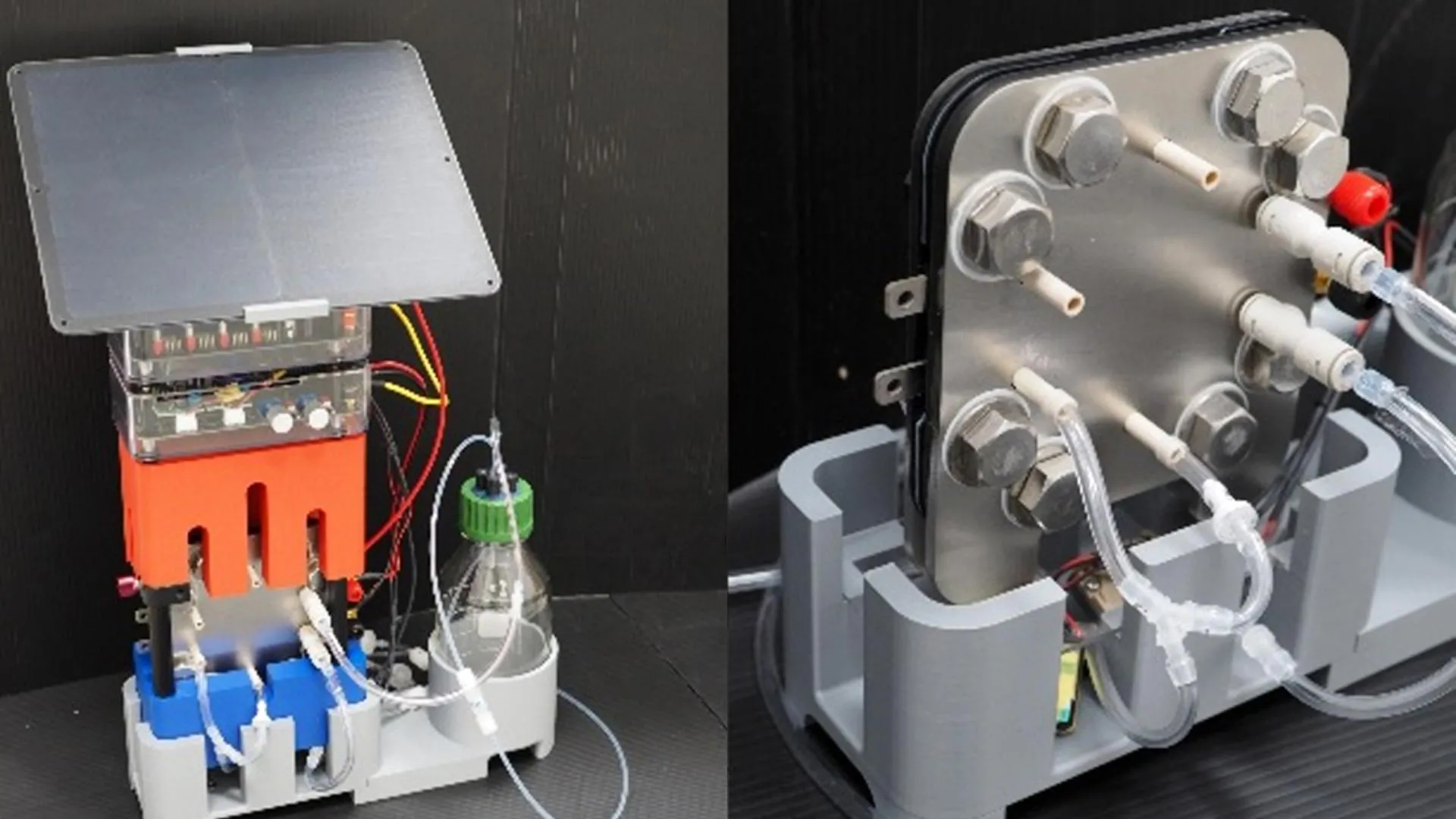
Researchers have developed a self-regulating artificial photosynthesis system that converts sunlight into fuel without the need for external batteries, potentially reducing the cost and complexity of solar energy storage. By utilizing an electrolyzer that automatically adjusts its electrical properties in response to heat fluctuations, the device maintains stable production levels even as solar intensity changes throughout the day. This advancement, detailed in recent peer-reviewed findings, marks a significant shift toward more efficient, autonomous renewable energy technologies.
The core of this innovation lies in the device’s ability to manage its own power flow. Conventional solar-to-fuel systems typically require complex battery arrays or external control circuits to manage the intermittent nature of sunlight, which can fluctuate due to cloud cover or the time of day. According to research published by the University of Cambridge, this new architecture simplifies the process by integrating the regulation mechanism directly into the electrolyzer’s material composition.
How Self-Regulating Electrolyzers Work
The system functions by mimicking the natural process of photosynthesis, where plants convert light into chemical energy. In this artificial iteration, the device captures solar energy and uses it to split water molecules into hydrogen and oxygen. The innovation centers on the electrolyzer, which is designed to alter its internal electrical resistance as it heats up under exposure to sunlight.

When the sun is at its peak, the device naturally compensates for the increased thermal energy by shifting its electrical properties. This prevents the system from overloading and ensures that the chemical reaction—the production of fuel—remains consistent. Unlike previous designs that necessitated external power management systems, this self-regulating approach removes a critical point of failure and reduces the overall physical footprint of the unit, as noted in reports from Nature Communications.
Improving Solar Fuel Stability
Stability has long been a primary hurdle in the deployment of artificial photosynthesis. Fluctuating power inputs often lead to inefficient fuel conversion or the degradation of catalysts used within the system. By eliminating the reliance on battery storage for regulation, the researchers have created a more robust pathway for direct solar-to-fuel conversion.
This development is particularly relevant for industrial applications where consistent fuel output is required. According to data from the U.S. Department of Energy regarding renewable fuel standards, reducing the complexity of energy conversion systems is a primary goal for lowering the levelized cost of hydrogen production. By removing the need for battery management systems, the design effectively lowers both the capital expenditure and the maintenance requirements for solar fuel plants.
Future Implications for Renewable Energy
While the technology is currently in the laboratory testing phase, the implications for the broader energy market are substantial. The transition from battery-dependent systems to self-regulating hardware could accelerate the adoption of solar-derived fuels, such as green hydrogen or synthetic liquid fuels. This shift is essential for decarbonizing sectors that are difficult to electrify directly, such as heavy shipping and long-haul aviation.
The next phase of development involves scaling the technology for outdoor environments, where variables such as humidity and ambient temperature will test the system’s durability. Researchers have indicated that subsequent trials will focus on the long-term longevity of the materials under continuous, real-world conditions. These upcoming benchmarks will be essential for determining the feasibility of commercial-scale deployment.
Readers interested in the latest updates on sustainable energy breakthroughs can monitor upcoming publications from the International Energy Agency, which tracks global trends in renewable hydrogen and synthetic fuel production. For further discussion on how this technology might impact your local energy grid, please share your thoughts in the comments section below.
Worth a look