Scientists have identified a novel mechanism by which bacteria can spread antibiotic resistance through a process resembling cellular explosion, according to recent research. This discovery sheds light on how resistant traits move between bacterial populations, posing significant challenges for global efforts to combat drug-resistant infections.
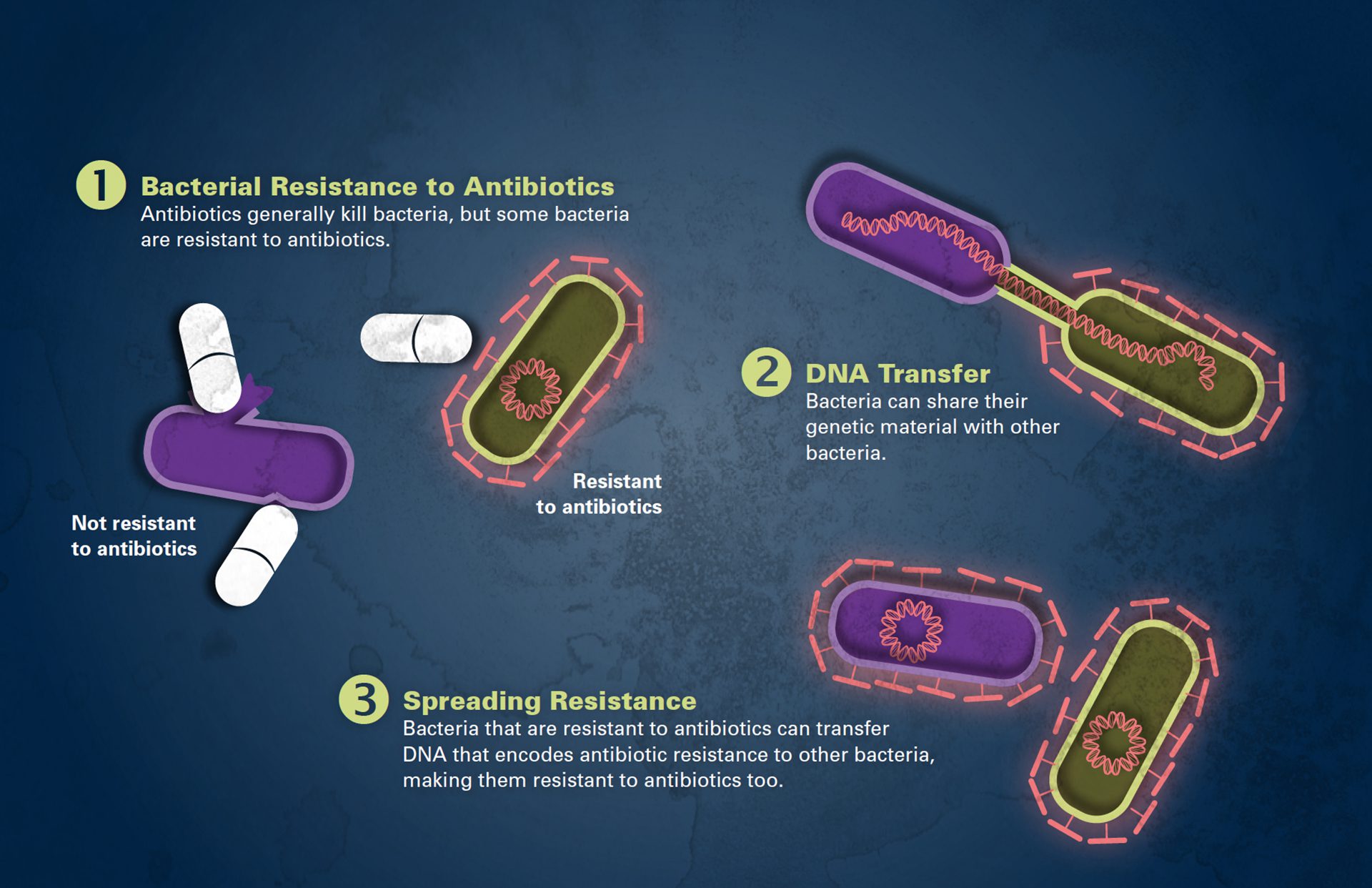
The finding centers on a phenomenon where certain bacteria, upon exposure to antibiotics, undergo a form of programmed cell death that releases their genetic material—including resistance genes—into the surrounding environment. Nearby bacteria can then absorb this free DNA through a process known as transformation, effectively acquiring resistance without direct contact with the original resistant strain.
Researchers observed this behavior in laboratory settings using common pathogens such as Escherichia coli and Staphylococcus aureus. When treated with sub-lethal doses of antibiotics like streptomycin or kasugamycin, these bacteria activated stress responses that led to membrane destabilization and eventual lysis, releasing plasmids and chromosomal DNA carrying resistance determinants.
This mechanism differs from traditional horizontal gene transfer methods such as conjugation or transduction, as it does not require living donor cells or viral vectors. Instead, it exploits the death of antibiotic-stressed bacteria to disseminate resistance genes passively, potentially accelerating the spread of multidrug resistance in clinical and environmental settings.
The study, published in Nature Communications, highlights how antibiotic stress can inadvertently promote resistance evolution by triggering lysis and DNA release. Scientists involved in the research noted that this pathway may explain rapid resistance emergence in biofilms and other high-density bacterial communities where cell death is frequent.
Experts warn that this discovery complicates efforts to control antibiotic resistance, as it suggests that even successful antibiotic treatment could contribute to resistance spread if it induces bacterial lysis. Infection control strategies may need to account for this risk, particularly in hospitals and wastewater systems where antibiotic residues and resistant bacteria coexist.
Further research is needed to determine the prevalence of this explosive lysis mechanism across different bacterial species and antibiotic classes. Scientists are also investigating whether inhibitors of cell death pathways could be used alongside antibiotics to limit the release of resistance genes during treatment.
As antibiotic resistance continues to threaten modern medicine, understanding all pathways of resistance transmission—including those triggered by treatment itself—is critical for developing effective countermeasures. Public health officials emphasize that prudent antibiotic use remains essential to reduce selective pressure and minimize opportunities for resistance to emerge and spread.
For ongoing updates on antimicrobial resistance research, readers can refer to the World Health Organization’s global surveillance reports and the Centers for Disease Control and Prevention’s antibiotic resistance threat assessments.
Keep reading