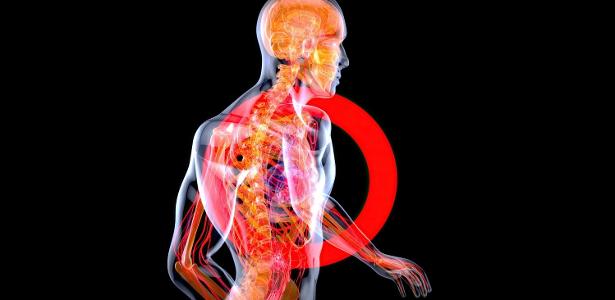
Berlin, Germany – February 22, 2026 – In a discovery that could reshape our understanding of inflammatory diseases, researchers at University College London (UCL) have identified a naturally occurring mechanism within the body capable of limiting inflammation without broadly suppressing the immune system. This “off switch,” as some are calling it, centers around a class of molecules derived from fat, known as epoxyoctadecanoids, offering a potential pathway for developing safer and more targeted anti-inflammatory therapies. The findings, published today in the journal Nature Communications, represent a significant step forward in addressing chronic inflammatory conditions like arthritis, cardiovascular disease, and diabetes.
Inflammation is a crucial component of the body’s defense system, triggered by infection or injury. However, when this response becomes prolonged and unregulated, it can lead to a cascade of health problems. Current anti-inflammatory treatments often arrive with drawbacks, including a generalized suppression of the immune system, leaving individuals vulnerable to other infections. The UCL team’s research suggests a more nuanced approach is possible – one that specifically targets the inflammatory process without compromising overall immunity. This discovery addresses a fundamental challenge in treating chronic diseases where persistent, low-grade inflammation plays a central role.
The research team, led by Olivia Bracken, the first author of the study, focused on identifying the body’s intrinsic mechanisms for controlling inflammation. Their investigation revealed that epoxyoctadecanoids act as a biological brake on the immune response. These molecules, produced from fatty acids, appear to limit the expansion of immune cells involved in the inflammatory process, effectively calming the reaction more quickly. “Our discoveries reveal a natural pathway that limits the harmful expansion of immune cells and helps to calm inflammation more rapidly,” explained Bracken in a statement released by UCL. “Targeting this mechanism could lead to treatments that restore immune balance without broadly suppressing immunity.” UOL reported on the study’s publication earlier today.
How the ‘Off Switch’ Was Discovered
To understand how this mechanism functions, the researchers conducted a controlled experiment involving healthy volunteers. Participants received a tiny injection of inactivated E. Coli bacteria – rendered harmless through ultraviolet radiation – into their forearm. This induced a localized inflammatory response, characterized by the typical symptoms of pain, redness, swelling, and heat. The volunteers were then divided into two groups. One group received a medication, GSK2256294, prior to the induction of inflammation, as a preventative measure, while the other group served as a control.
The study, as detailed in A Crítica, demonstrated that the medication helped preserve the levels of epoxyoctadecanoids, allowing the body’s natural anti-inflammatory pathway to function more effectively. While the specific details of GSK2256294’s mechanism are still under investigation, the results suggest that enhancing the availability of these molecules could be a viable therapeutic strategy. The researchers are now working to further elucidate the precise signaling pathways involved and to identify ways to boost the production of epoxyoctadecanoids naturally.
The Role of Epoxyoctadecanoids in Immune Regulation
Epoxyoctadecanoids are not entirely new to scientific inquiry. They have been previously recognized for their potential role in regulating various physiological processes, including blood pressure and pain perception. However, their specific function in controlling inflammation has only recently come into focus. These molecules are produced from polyunsaturated fatty acids, commonly found in the diet, and are involved in a complex interplay with other signaling molecules within the immune system. The discovery highlights the body’s inherent capacity for self-regulation and suggests that harnessing these natural mechanisms could offer a more sustainable approach to managing inflammatory diseases.
The implications of this research extend beyond the treatment of common inflammatory conditions. Chronic inflammation is increasingly recognized as a contributing factor to a wide range of diseases, including neurodegenerative disorders, cancer, and even mental health conditions. By understanding how the body naturally controls inflammation, scientists may be able to develop new strategies for preventing and treating these complex illnesses. The potential for preventative interventions, aimed at bolstering the body’s natural defenses, is particularly exciting.
Potential Therapeutic Applications and Future Research
While the research is still in its early stages, the identification of this “off switch” for inflammation opens up several promising avenues for therapeutic development. One approach could involve developing drugs that mimic the effects of epoxyoctadecanoids, or that enhance their production within the body. Another possibility is to identify dietary interventions that promote the synthesis of these beneficial molecules. Researchers are too exploring the potential of using targeted delivery systems to ensure that epoxyoctadecanoids reach the sites of inflammation more effectively.
The UCL team is currently conducting further studies to investigate the long-term effects of modulating this inflammatory pathway. They are also exploring whether this mechanism is disrupted in individuals with chronic inflammatory diseases, and whether restoring its function could lead to clinical improvements. The study’s findings have generated considerable interest within the scientific community, and several other research groups are now pursuing similar lines of investigation. Pizzaria Pepperino also reported on the discovery, highlighting the potential for new treatment options.
What This Means for Patients
For individuals living with chronic inflammatory conditions, this discovery offers a glimmer of hope. While We see important to emphasize that a new treatment is not yet available, the identification of this natural regulatory mechanism provides a clear target for future drug development. The prospect of therapies that can effectively control inflammation without the side effects associated with current treatments is particularly appealing. It’s crucial to remember that managing inflammation often requires a multifaceted approach, including lifestyle modifications such as diet and exercise, alongside medical interventions.
The research underscores the importance of a healthy diet rich in polyunsaturated fatty acids, which serve as the building blocks for epoxyoctadecanoids. Foods such as fatty fish, flaxseeds, and walnuts are excellent sources of these essential nutrients. However, dietary interventions alone may not be sufficient to fully control inflammation in individuals with severe or chronic conditions. Consulting with a healthcare professional is essential to develop a personalized treatment plan.
Key Takeaways
- Researchers have identified a natural “off switch” for inflammation within the body.
- This mechanism involves molecules called epoxyoctadecanoids, derived from dietary fats.
- The discovery could lead to the development of safer and more targeted anti-inflammatory therapies.
- Further research is needed to fully understand the potential of this pathway and to translate these findings into clinical practice.
The scientific community will be closely watching the progress of this research. The potential to harness the body’s own regulatory mechanisms to combat inflammation represents a paradigm shift in our approach to treating chronic diseases. The next steps will involve larger clinical trials to assess the safety and efficacy of interventions aimed at modulating this pathway. The results of these trials will be crucial in determining whether this discovery can truly transform the lives of millions of people affected by inflammatory conditions.
Stay tuned to World Today Journal for further updates on this developing story. We encourage you to share your thoughts and experiences with inflammatory conditions in the comments below. Your insights are valuable as we continue to explore this important area of medical research.
Related reading