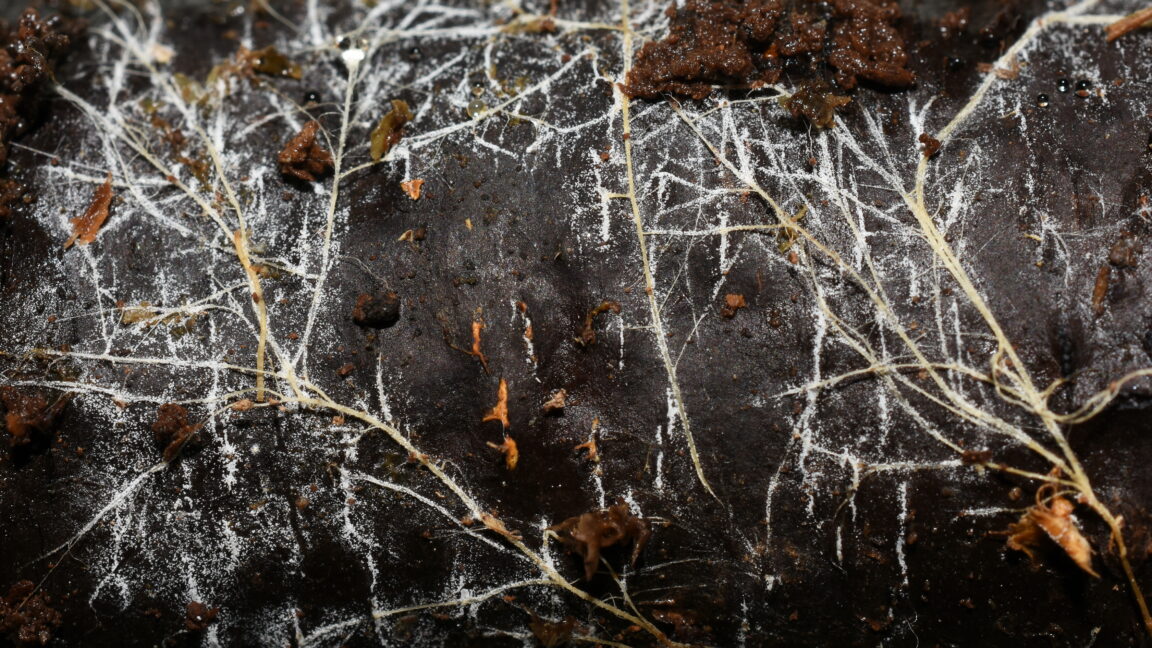
Arbuscular mycorrhizal fungi form expansive, hidden networks beneath the Earth’s surface that, if laid end-to-end, would span approximately 110 quadrillion kilometers—a distance equivalent to roughly one billion times the span between the Earth and the sun. This massive biological infrastructure plays a critical role in the global carbon cycle, sequestering an estimated 13 gigatons of carbon dioxide equivalent annually, according to research published in the journal Science. These subterranean webs facilitate essential nutrient exchanges, supplying plants with phosphorus and nitrogen in return for carbon, effectively acting as one of the planet’s largest terrestrial carbon sinks.
The study, which utilized machine learning to aggregate global soil data, provides the first comprehensive map of these fungal communities. Researchers from the Society for the Protection of Underground Networks (SPUN) collaborated with academic institutions to quantify the distribution of these organisms. By analyzing soil samples and existing literature, the team identified that these fungal networks are not distributed uniformly, with higher concentrations often found in specific ecological zones that are currently prioritized for conservation efforts. The findings were published in a Science article titled “Mycorrhizal diversity and distribution,” which highlights the scale of these often-overlooked soil ecosystems.
Mapping the World’s Hidden Fungal Infrastructure
The effort to map these networks represents a significant shift in how soil biology is integrated into climate science. Previously, the extent of arbuscular mycorrhizal fungi was difficult to quantify due to their microscopic size and the sheer complexity of soil environments. The research team combined high-resolution machine learning models with a vast dataset of global soil samples to estimate the total length of the hyphae—the thread-like structures that make up the fungal network. According to the Nature journal report on mycorrhizal carbon sequestration, these networks are central to maintaining the stability of plant ecosystems and long-term carbon storage in terrestrial habitats.
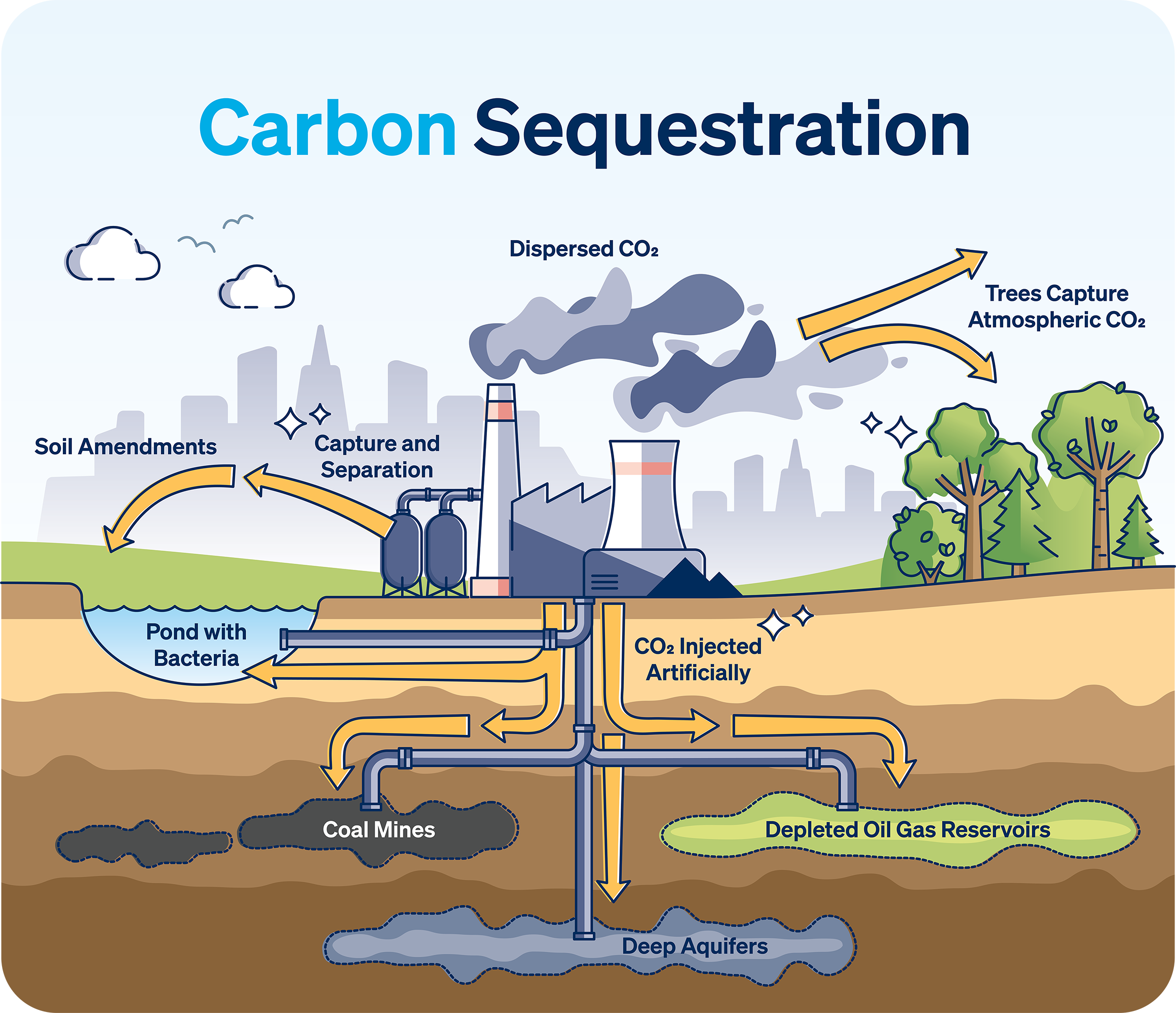
By identifying where these fungi are most prevalent, the researchers have provided a tool for ecologists to better predict how soil health might change under different climate scenarios. The study indicates that these networks are particularly dense in regions with high levels of biodiversity, reinforcing the importance of protecting soil integrity. As noted in the peer-reviewed analysis, the loss of these networks could release significant amounts of stored carbon into the atmosphere, potentially accelerating the rate of climate change. The data is now available to help guide international conservation strategies focused on soil biodiversity.
The Role of Mycorrhizal Fungi in Carbon Sequestration
The symbiotic relationship between plants and arbuscular mycorrhizal fungi is a primary driver of terrestrial carbon storage. Plants pull carbon from the atmosphere through photosynthesis and transfer a portion of it to these fungal partners. In exchange, the fungi extend the reach of plant root systems, allowing them to access water and essential minerals such as nitrogen and phosphorus. This exchange is a fundamental biological mechanism that keeps forest and grassland ecosystems functioning. Research published by the journal Nature confirms that these fungi are responsible for the sequestration of a significant portion of the total carbon stored in global soils.
Without these networks, the carbon currently held in the soil would likely remain in the atmosphere as a greenhouse gas. The research underscores that while we often focus on above-ground biomass like trees, the “hidden” carbon cycle beneath our feet is equally important. The SPUN initiative emphasizes that understanding this underground architecture is necessary for effective climate mitigation. By protecting the soil, we are essentially protecting a massive, biological carbon storage facility that has been operating for millions of years.
How Soil Health Impacts Global Climate Goals
The integration of fungal network mapping into environmental policy is gaining traction among global climate researchers. Because these networks are sensitive to land-use changes, such as agriculture and urbanization, the map produced by the research team serves as a diagnostic tool for identifying areas at risk of degradation. According to the study data published in Science, agricultural intensification can significantly disrupt the density and health of these fungal webs, reducing their ability to sequester carbon effectively.
The implications of this research are clear for land management: preserving the integrity of soil is as vital as reforestation. As the scientific community continues to refine these models, the focus will likely shift toward developing agricultural practices that support, rather than deplete, these underground networks. Ongoing monitoring of soil health is expected to be a recurring subject in future climate summits and environmental policy discussions. Readers interested in the latest updates regarding soil biodiversity and conservation efforts can follow official updates from the Society for the Protection of Underground Networks.
The research into these fungal networks remains an active field of study, with further data expected to emerge as more soil samples are analyzed globally. As scientists continue to uncover the mechanics of these systems, the findings will inform land-use policies and carbon-offsetting projects worldwide. We welcome your thoughts on how these findings might influence local conservation efforts; please share your perspective in the comments section below.
Worth a look