
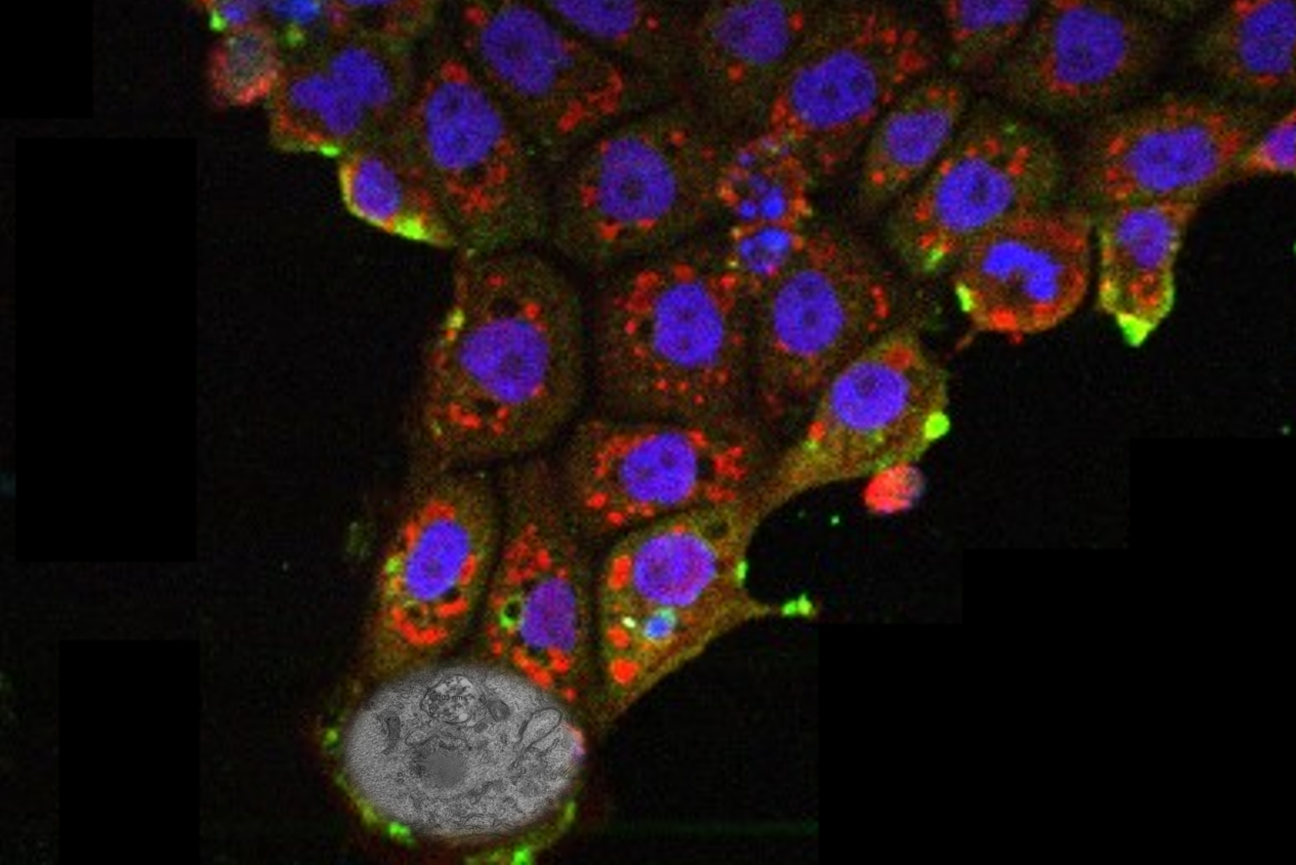
Researchers have identified a novel pathway through which certain bat-derived alphacoronaviruses can enter human cells, marking a significant development in understanding zoonotic spillover risks. The discovery centers on a specific alphacoronavirus isolated from Kenyan heart-nosed bats (Cardioderma cor), which demonstrates the ability to infect human cells without relying on previously known receptors.
This finding, published in the journal Nature, reveals that the spike protein of the virus designated CcCoV-KY43 can facilitate cellular entry independently of angiotensin-converting enzyme 2 (ACE2) or other receptors typically used by betacoronaviruses like SARS-CoV-2. Instead, the research indicates utilization of an alternative human cell surface molecule, though the precise receptor remains under investigation in ongoing studies.
The international collaboration, involving scientists from the UK’s Pirbright Institute and Kenyan research partners, screened multiple bat-derived alphacoronaviruses and found that while most failed to engage human receptors, CcCoV-KY43 demonstrated consistent ability to enter human epithelial cells in laboratory settings. Importantly, the study emphasizes that cellular entry does not equate to established infection or transmissibility in humans, and no evidence of actual human infection by this virus has been documented to date.
Dr. Dalan Bailey, a virologist at Pirbright Institute and lead author of the study, explained that the research expands knowledge beyond the well-characterized betacoronaviruses, highlighting alphacoronaviruses as an understudied group with potential zoonotic relevance. “We’ve shown that these viruses can access human cells through mechanisms not previously recognized,” Dr. Bailey stated in the Nature publication, underscoring the importance of proactive surveillance in wildlife reservoirs.
The study’s timing coincides with heightened global attention on pandemic preparedness following the COVID-19 crisis. Experts note that while alphacoronaviruses have historically received less research focus compared to their betacoronavirus counterparts, this work suggests they warrant increased monitoring due to their demonstrated capacity for cross-species cellular interaction.
Further analysis confirmed that the viral spike protein of CcCoV-KY43 binds to a human cell surface protein identified as carcinoembryonic antigen-related cell adhesion molecule 6 (CEACAM6), a finding independently verified by researchers at the University of Cambridge. CEACAM6 is expressed in various human tissues, including respiratory and gastrointestinal epithelia, suggesting potential routes of exposure should the virus encounter humans in natural settings.
This receptor usage represents a distinct mechanism from SARS-CoV-2, which primarily uses ACE2 with transmembrane protease serine 2 (TMPRSS2) facilitating spike protein activation. The alphacoronavirus pathway appears to operate without requiring proteolytic cleavage by TMPRSS2 or similar enzymes, indicating a fundamentally different entry strategy.
Despite these laboratory findings, public health officials stress that the immediate risk to human populations remains low. The study explicitly states there is currently no evidence of human infection, illness, or transmission linked to CcCoV-KY43 or related alphacoronaviruses. The virus’s ability to enter cells in vitro does not guarantee it can replicate efficiently, evade immune responses, or spread between people—key barriers that must be overcome for zoonotic establishment.
Researchers recommend continued ecological studies in bat populations across East Africa and other regions to map the diversity and geographic distribution of alphacoronaviruses. Such surveillance aims to identify variants with altered receptor affinity or enhanced fitness in human cells before potential spillover events occur.
The study contributes to a growing body of work seeking to characterize the full spectrum of coronavirus receptor usage, which currently includes six confirmed pathways for betacoronaviruses but remains poorly defined for alphacoronaviruses. By expanding this knowledge base, scientists hope to improve early warning systems for emerging infectious diseases.
As part of broader pandemic preparedness efforts, the findings support calls for increased investment in global virome projects that sample wildlife viruses and assess their pathogenic potential. These initiatives aim to build libraries of viral sequences and functional data that can be rapidly evaluated during future outbreaks.
While the discovery does not indicate an imminent threat, it reinforces the principle that viruses previously considered low-risk may harbor unexpected capabilities under certain conditions. Ongoing research will focus on determining whether CcCoV-KY43 or similar viruses can achieve productive infection in human cells and what factors might enable adaptation to human hosts.
For now, the scientific consensus maintains that the primary value of this research lies in its contribution to fundamental virology and risk assessment frameworks rather than signaling an active public health concern. Health authorities continue to advise standard precautions around wildlife avoidance and safe handling practices in regions where human-bat interaction occurs.
Further updates on this research are expected as the Pirbright Institute and its collaborators publish additional analyses on the structural biology of the spike protein-CEACAM6 interaction and efforts to neutralize the virus using monoclonal antibodies or other interventions.
Readers seeking authoritative information on emerging zoonotic viruses can consult regularly updated resources from the World Health Organization’s R&D Blueprint for epidemics and the U.S. National Institute of Allergy and Infectious Diseases (NIAID) website, which provide fact-based guidance on pathogen surveillance and pandemic preparedness.