
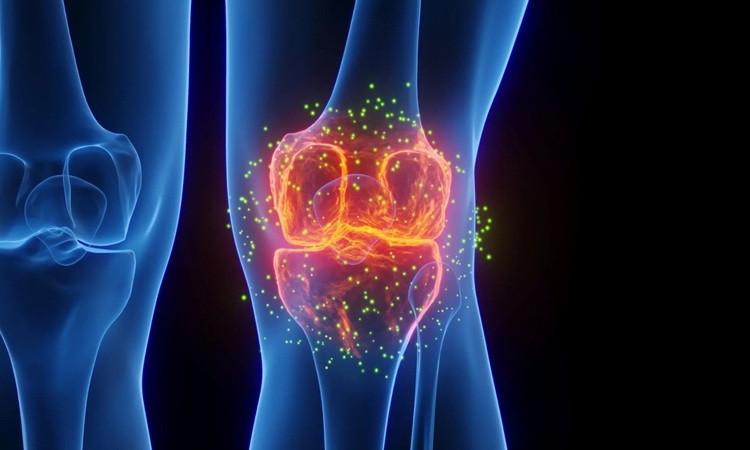
Researchers have identified novel biological pathways that may enable the regeneration of damaged cartilage, offering a potential shift in the clinical management of osteoarthritis. While current medical interventions primarily focus on pain management and joint replacement surgery, recent laboratory advancements in tissue engineering and stem cell research have demonstrated the capacity to stimulate chondrocyte proliferation in controlled environments. According to the National Institute of Arthritis and Musculoskeletal and Skin Diseases, osteoarthritis affects millions globally, yet a curative treatment that reverses structural joint damage remains the subject of ongoing clinical investigation rather than standard practice.
The progression of osteoarthritis is characterized by the degradation of articular cartilage, the smooth tissue that cushions joints. Unlike skin or bone, cartilage lacks a direct blood supply, which significantly limits its natural ability to repair itself after injury or age-related wear. Recent studies published in journals such as Nature Biomedical Engineering have explored the use of hydrogel scaffolds and growth factors to create a microenvironment conducive to cell regrowth. These experimental approaches aim to bridge the gap between palliative care and structural restoration, though researchers emphasize that these methods have not yet been validated for widespread human application in clinical settings.
Understanding the Challenges of Cartilage Repair
The primary hurdle in treating joint degradation is the unique composition of hyaline cartilage. Because it is avascular—meaning it lacks blood vessels—the body cannot easily transport the necessary nutrients or progenitor cells to a site of damage. When cartilage is lost, the underlying bone often experiences increased friction, leading to the inflammation and chronic pain associated with osteoarthritis. According to data from the Centers for Disease Control and Prevention (CDC), the condition is a leading cause of disability among older adults, necessitating a high volume of total joint arthroplasty procedures annually.

Current research efforts are divided into two main categories: biological stimulation and mechanical support. Biological stimulation involves the use of mesenchymal stem cells (MSCs) or specialized proteins to encourage existing cartilage cells to replicate. Mechanical support involves the implantation of synthetic or organic scaffolds—often composed of collagen or advanced polymers—that mimic the structural integrity of natural tissue. While these techniques have shown success in animal models and small-scale human trials, the U.S. Food and Drug Administration (FDA) maintains rigorous oversight on such regenerative medicine products to ensure safety and long-term efficacy before they can be approved for general orthopedic use.
Recent Developments in Regenerative Techniques
Advancements in 3D bioprinting and synthetic biology have allowed scientists to create more sophisticated scaffolds. By “printing” cells into specific patterns, researchers aim to replicate the complex architecture of human joints. A study highlighted by the National Institutes of Health (NIH) discusses the role of micro-ribonucleic acids (miRNAs) in modulating cartilage maintenance, suggesting that it may eventually be possible to “reprogram” damaged joint tissue to prevent further decay. These findings represent a significant evolution in how medical professionals approach degenerative joint diseases.
However, the transition from laboratory success to patient bedside remains complex. Many of these therapies require invasive procedures to deliver the regenerative agents directly into the synovial space of the joint. Furthermore, the longevity of regenerated cartilage remains an open question in the medical community. Clinical trials are currently assessing whether newly formed tissue can withstand the mechanical stress of daily human activity over several years. Patients are encouraged to consult with board-certified orthopedic surgeons regarding currently approved treatments, as experimental therapies are generally restricted to clinical trial participants.
What Happens Next in Clinical Research
The next phase for these regenerative technologies involves large-scale, multi-center clinical trials. These studies are essential to determine if the results observed in laboratory environments translate to diverse patient populations with varying degrees of joint damage. The National Library of Medicine’s ClinicalTrials.gov registry tracks active research into osteoarthritis, providing a transparent view of the studies currently recruiting participants. These trials typically focus on safety, dosage, and the long-term structural integrity of the treated joints.

For those living with osteoarthritis, the current standard of care—including physical therapy, weight management, and pharmacological anti-inflammatories—remains the most reliable path to maintaining mobility. As research continues to advance, the focus remains on transforming these early-stage breakthroughs into accessible, standardized medical procedures. Future updates from major medical conferences and peer-reviewed journals will provide further clarity on which of these regenerative strategies will likely move toward regulatory approval. For the latest developments on specific treatment protocols, patients should refer to updates from the American College of Rheumatology.
If you found this report informative, please consider sharing it with your network or joining the conversation in the comments section below. For more updates on medical innovation and public health, subscribe to our newsletter at world-today-journal.com.