
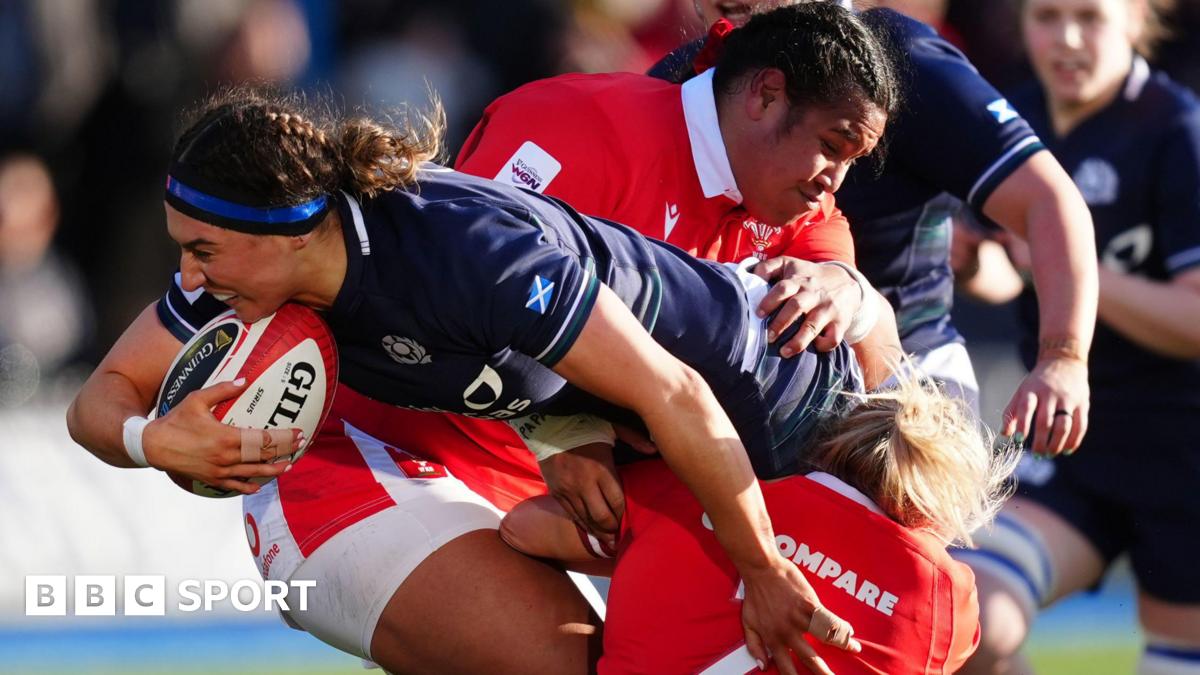
For years, the Scotland women’s national rugby team has operated under the label of the “plucky underdog,” a role that provided a certain level of psychological comfort and lower expectations. However, as the team prepares for the upcoming Women’s Six Nations, that identity is being intentionally shed. The squad is no longer content with occasional upsets; they are now seeking the pressure and prestige of being recognized as a legitimate force in international rugby.
This shift in ambition is driven by a growing sense of belief within the camp, following a strong showing at last year’s World Cup where Scotland reached the quarter-finals. The team is transitioning from a side that hopes to compete to one that expects to succeed, embracing the burden of expectation as a necessary catalyst for growth.
Central to this evolution is veteran player Emma Wassell, who has been a mainstay of the team since her international debut in 2014. Wassell has witnessed the sport’s trajectory firsthand, from playing early Test matches in front of crowds in the low three figures to the current era of massive public interest. This growth is set to culminate in a historic encounter later this month at Murrayfield, where Scotland will face world champions England in front of an expected 25,000 fans—a record crowd for a standalone women’s sporting event in Scotland verified via Yahoo Sports/BBC Sport.
Breaking the Underdog Cycle
The desire to move past the “underdog” tag is not merely about optics; it is about the mental shift required to climb the global rankings. For Wassell and her teammates, the label of the underdog often served as a shield, reducing the immediate pressure to perform. However, the team now views that pressure as a privilege and a requirement for elite success.

“When you’re labelled an underdog, you probably take a little bit of the pressure off you,” Wassell stated, noting that the team now believes they have the “pressure to perform and succeed” verified via Yahoo Sports/BBC Sport. This mentality reflects a broader goal for the program: a desire to fight for a top four or five ranking in the world.
This ambition is supported by a structural overhaul in the coaching staff. The team has recently welcomed Dave Butcher as the fresh attack coach. Butcher made the significant decision to leave his family in Canada to take on the role in Scotland, bringing a fresh perspective to the squad’s offensive strategies as they prepare for the rigors of the Six Nations tournament verified via BBC Sport.
A History of Hard-Won Respect
The journey to this point has been defined by a long-term struggle for respect and resources. Players have fought on multiple fronts—not only against opposing teams on the pitch but also within their own professional lives and with their employers. There has been a consistent push for Scottish Rugby to provide fair contracts, resources, and the comprehensive support systems necessary for a team to compete at the highest international level.
The team’s progress can be measured by their evolving definition of success. In 2017, a tight 15-14 victory over Wales at Broadwood Stadium was celebrated as a landmark achievement, marking Scotland’s first Six Nations win in seven years. Today, the bar has been raised significantly. A one or two-win campaign in the Six Nations is no longer viewed as a “roaring success.”
With captain Rachel Malcolm and full-back Chloe Rollie leading the preparations, the squad is focused on consistent performance rather than sporadic flashes of brilliance. The goal is to establish a baseline of competitiveness that makes Scotland a team to be feared by any opponent in the tournament.
The Road Ahead: Cardiff and Beyond
The immediate test for this new-look Scotland side comes this Saturday in the Women’s Six Nations opener. The team will travel to Cardiff’s Principality Stadium to face Wales. This match serves as a critical benchmark to spot if the team can translate their World Cup quarter-final momentum into a dominant Six Nations campaign.
The trajectory of the program suggests a move toward professionalization and higher visibility. The upcoming match against England at Murrayfield will be a pivotal moment for the sport in Scotland, potentially drawing a record-breaking crowd and validating the years of struggle for better resources and recognition.
| Period/Event | Status/Achievement | Mindset/Goal |
|---|---|---|
| 2014 | Emma Wassell’s Debut | Early growth; small crowds |
| 2017 | Victory over Wales (15-14) | First Six Nations win in 7 years |
| Last Year | World Cup Quarter-finals | Proving competitiveness |
| April 2026 | Women’s Six Nations Opener | Seeking to be a “force” to be feared |
As the team heads into their match against Wales, the focus remains on the shift from being “plucky” to being powerful. The appointment of Dave Butcher and the leadership of Rachel Malcolm signal a commitment to a more aggressive, attack-minded approach to the game.
The next confirmed checkpoint for the team is their opening match away to Wales at the Principality Stadium this Saturday.
We want to hear from you. Do you think the pressure of higher expectations will help Scotland climb the world rankings, or is the underdog role more effective for growth? Share your thoughts in the comments below.