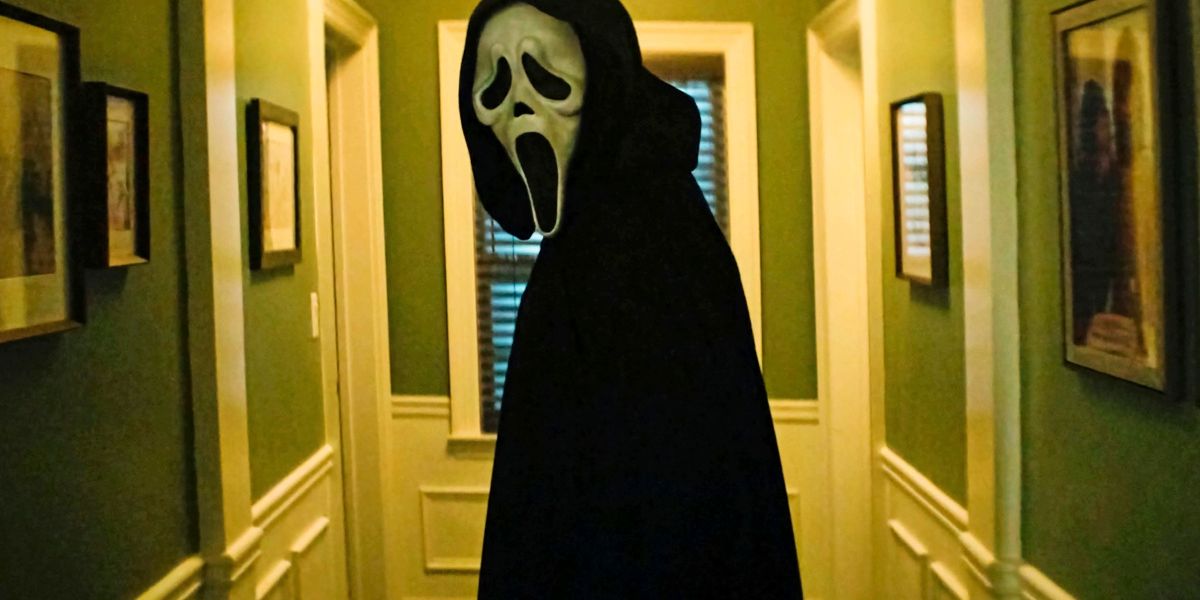
Thirty years after first shocking audiences, the Scream franchise continues to thrill and terrify, with the latest installment, Scream 7, poised to deliver another dose of meta-horror. The film marks a significant return for Neve Campbell as Sidney Prescott, a character central to the series’ enduring appeal. Campbell’s return comes after she sat out the previous film, Scream VI, due to a contract dispute. The new film also introduces Isabel May as Tatum, Sidney’s daughter, adding a new generational dynamic to the established formula.
The Scream films, beginning with Wes Craven’s 1996 original, have consistently revitalized the slasher genre by cleverly subverting its tropes. The premise – a masked killer known as Ghostface who taunts his victims via telephone – remains chillingly effective, allowing for a constantly shifting pool of potential suspects. This inherent mystery, coupled with self-aware commentary on horror conventions, has kept audiences engaged for over three decades. The franchise has develop into a cultural touchstone, influencing countless other horror films and television shows.
Sidney Prescott’s Indispensable Return
Neve Campbell’s decision to reprise her role as Sidney Prescott is being hailed by fans and critics alike. Her portrayal of the resilient final girl has become synonymous with the Scream franchise. Director Kevin Williamson specifically worked to ensure Campbell felt valued and that the story centered around her character, according to reporting from The Hollywood Reporter. Williamson emphasized the importance of giving Campbell what she wanted, recognizing her integral role in the series’ success.
Early reviews of Scream 7, as reported by Yahoo, consistently highlight Campbell’s performance as a standout element. Critics agree that her return is “indispensable,” adding emotional weight and a sense of continuity to the film. The introduction of her daughter, Tatum, played by Isabel May, adds a new layer to the narrative, exploring themes of legacy and the enduring trauma of surviving a Ghostface attack.
A Return to Basics, But Is It Enough?
Although Campbell’s return has been widely celebrated, some critics suggest that Scream 7 itself may fall short of expectations. Variety’s review describes the film as a “back-to-basics sequel that’s a little too basic.” The review notes a reliance on familiar tropes without offering significant innovation. This approach, while appealing to longtime fans, may not be enough to captivate a broader audience.
The core appeal of the Scream franchise lies in its meta-commentary on the horror genre. The films consistently acknowledge and deconstruct slasher conventions, creating a self-aware experience that sets them apart. Ghostface’s ability to assume any identity, masked by the iconic mask, adds a layer of paranoia and suspense. This element of unpredictability has been a key ingredient in the franchise’s success, allowing for a constant stream of red herrings and shocking reveals.
The Evolution of the Slasher Genre
The original Scream, released in 1996, arrived at a pivotal moment in the slasher genre. Following a period of decline in the early 1990s, Wes Craven’s film revitalized the formula by injecting it with wit, self-awareness, and a compelling mystery. The film’s success spawned a series of sequels, each building upon the established mythology and exploring new facets of the horror landscape. The franchise has consistently adapted to changing audience tastes, incorporating elements of social commentary and technological advancements.
The introduction of Tatum, Sidney’s daughter, in Scream 7, represents a continuation of this evolution. Exploring the intergenerational impact of trauma and the challenges of protecting loved ones in the face of relentless violence adds a new emotional dimension to the story. The dynamic between Sidney and Tatum promises to be a central focus of the film, offering a fresh perspective on the enduring legacy of Ghostface.
Looking Ahead: The Future of the Franchise
The success of Scream 7 will likely determine the future of the franchise. While the series has proven remarkably resilient over the past three decades, maintaining its relevance in an increasingly crowded horror market will require continued innovation and a willingness to take risks. The filmmakers must balance the expectations of longtime fans with the need to attract new audiences.
The enduring appeal of Scream lies in its ability to tap into our collective anxieties about violence, identity, and the nature of evil. The films offer a thrilling and thought-provoking exploration of these themes, wrapped in a package of suspenseful storytelling and iconic imagery. As long as filmmakers continue to find new ways to subvert expectations and engage with the cultural zeitgeist, the Scream franchise is likely to remain a force in the horror genre for years to come.
Scream 7 is currently in theaters. Fans can expect further updates and news regarding potential future installments from Spyglass Media Group and the official Scream social media channels.
Worth a look