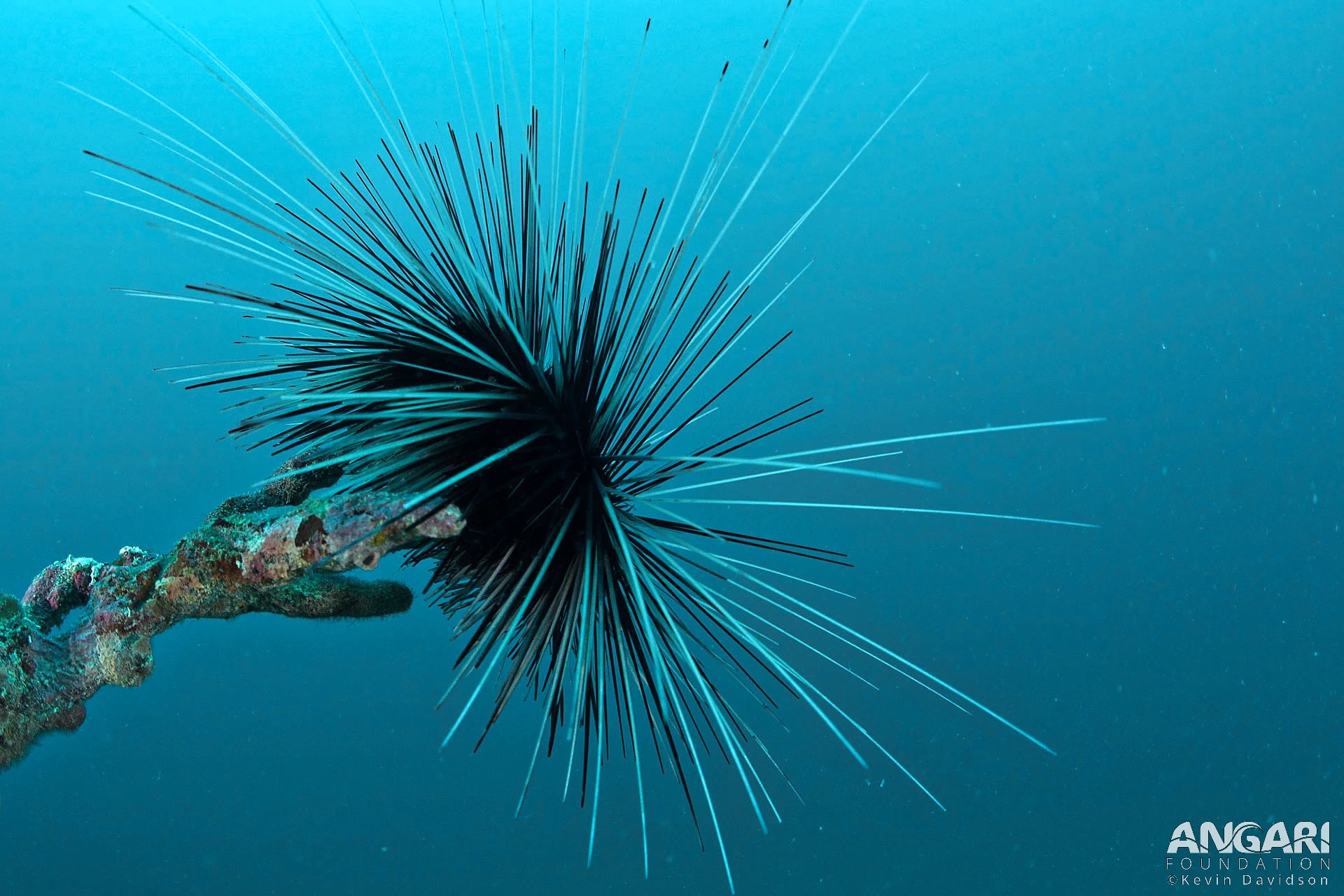
A fast-acting disease has caused mass mortality among long-spined sea urchin (Diadema antillarum) populations across the Caribbean, echoing a devastating region-wide die-off that occurred four decades ago. According to NOAA’s National Ocean Service, scientists first learned of the extensive disease and associated die-offs in St. Thomas, U.S. Virgin Islands, in February 2022.
Scuticociliate Disease Devastates Long-Spined Sea Urchins Across Caribbean
The condition, identified as Diadema antillarum scuticociliatosis (DaSc), progresses rapidly at affected sites. Affected urchins typically exhibit clear signs of sickness within one to two days before dying, according to federal marine officials. Observable symptoms include excess mucus on their spines, reduced spine mobility, a loss of spines, and an inability to attach to the reef.
Ecological Importance and Algal Phase Shifts
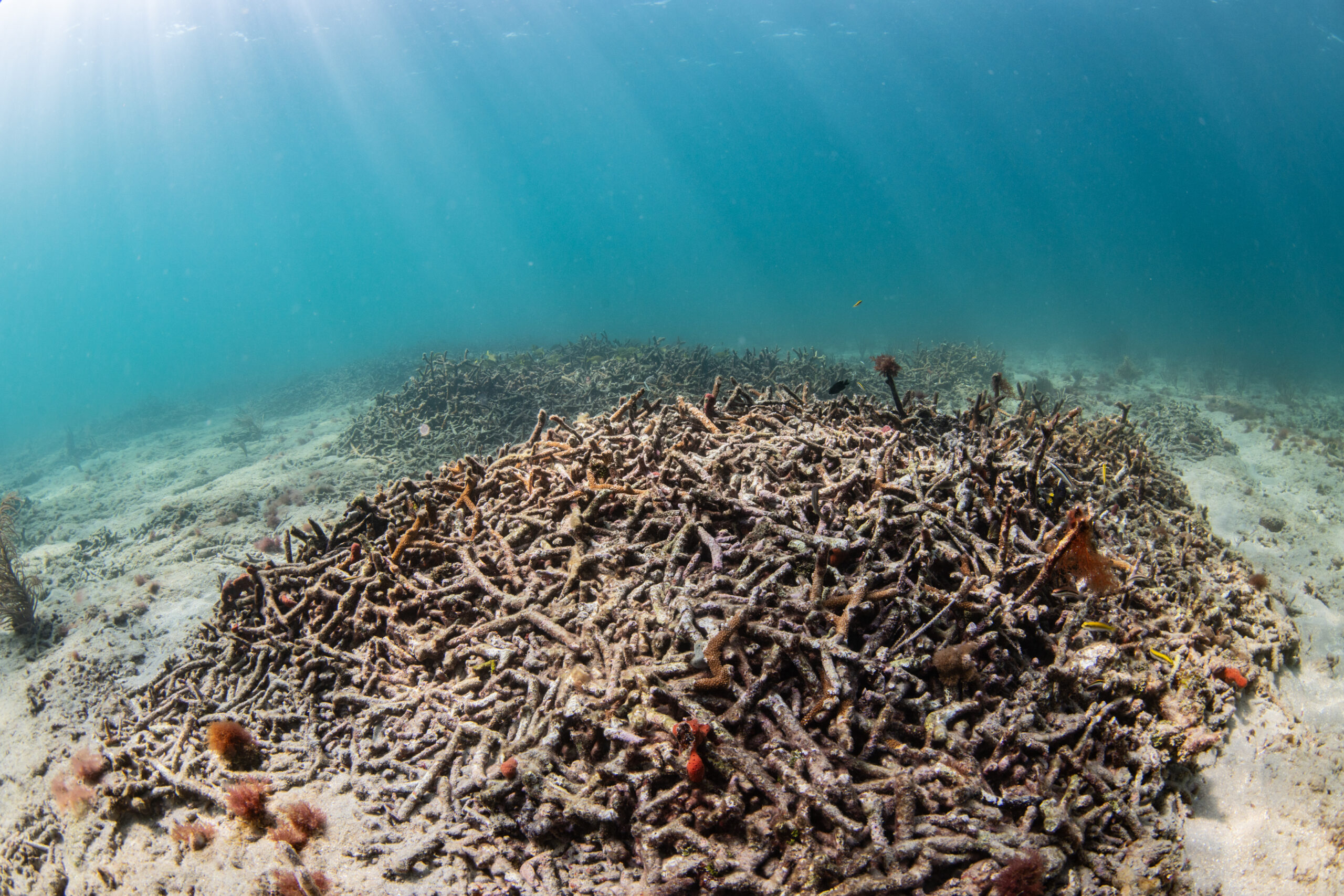
Long-spined sea urchins serve as vital herbivores on coral reefs, functioning effectively as natural cleaners by consuming algae and preventing algal overgrowth. Without this grazing activity, foundational corals are starved of the space they need to grow, leading to an ecological “phase shift” where algae entirely dominate regions previously occupied primarily by corals.
In the spring and summer of 2022, the disease wiped out large numbers of urchins at sites throughout the Caribbean. This recent event follows a historical mass mortality event in 1983 and 1984, which killed more than 95 percent of the region’s Diadema population and severely contributed to long-term coral reef degradation. Very few Diadema populations fully recovered from the 1980s outbreak, leaving many Caribbean reefs in an algal-dominated state for decades.
Global Spread and Research Response
Beyond the Caribbean, affected urchins belonging to the family Diadematidae have since been reported in the eastern Mediterranean, the Red Sea, and the Arabian Gulf, alongside anecdotal reports of mass mortality in the Seychelles and Réunion Island in the Indian Ocean. Researchers have confirmed the condition in affected urchins from the Arabian Gulf and other distant sites, noting that it affects two Diadema species (antillarum and setosum) as well as Echinothrix calamaria.
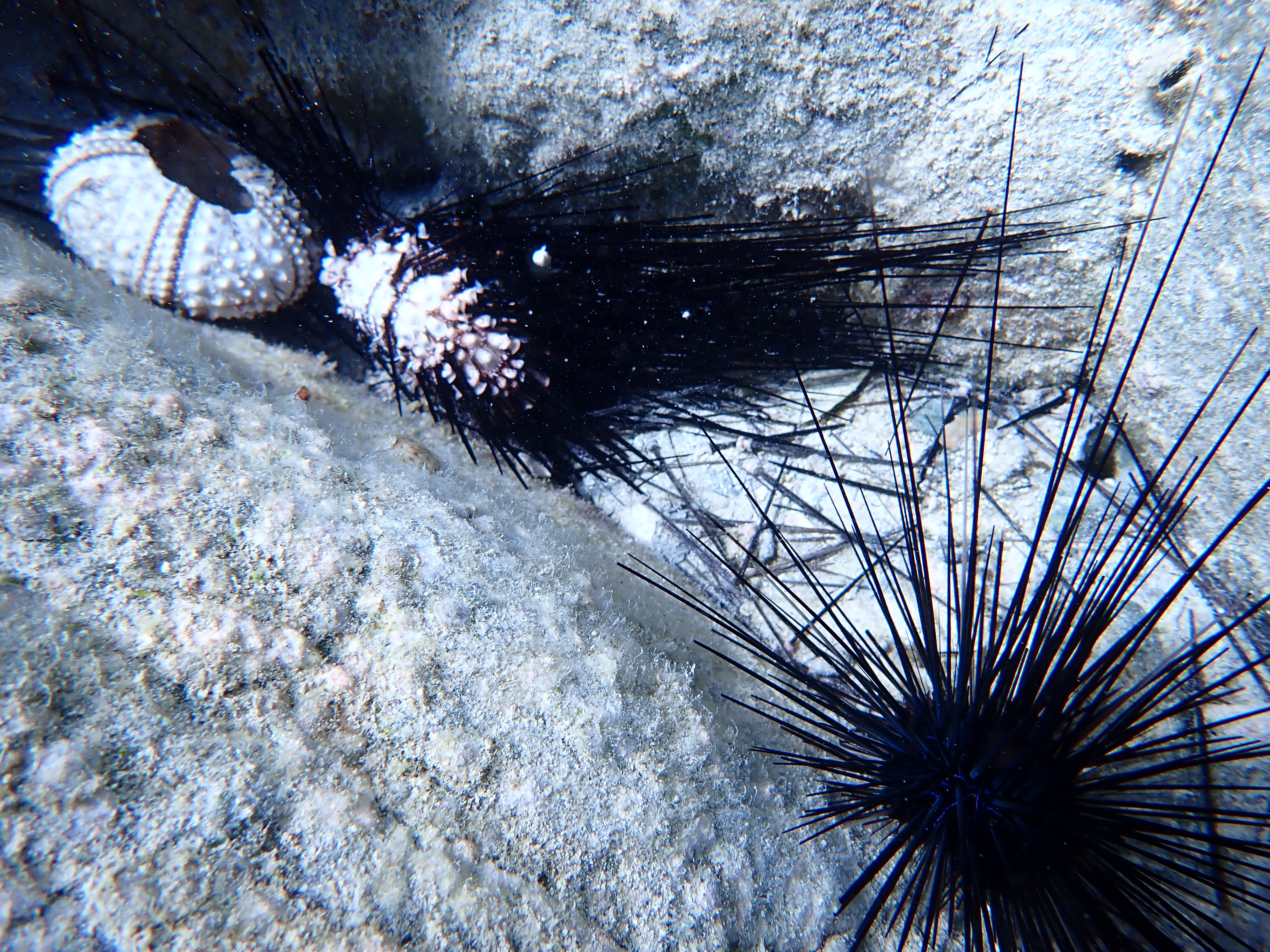
Investigators working on the outbreak include Mya Breitbart of the University of South Florida and Chris Kellogg of the US Geological Survey St Petersburg, who are collaborating closely with Omri Bronstein of Tel Aviv University. To assist researchers and resource managers, these teams have offered to provide PCR primers, protocols, and support for molecular detection of the pathogen at no cost for institutions equipped with molecular biology facilities.
Prevention and Best Practices
While scientists continue to study how the parasite spreads, experts recommend several preventative best practices to minimize transmission:
- Avoid moving affected or normal urchins between locations.
- Thoroughly wash SCUBA and snorkeling gear—including the air bladders of buoyancy-compensating devices—with freshwater and dry equipment between dive sites.
- Install filters capable of retaining particles larger than 1 micrometer on both inflow and outflow systems for aquariums and containment facilities.
- Replenish vessel firefighting wells and ballast far away from shore.
While work is currently underway to explore treatments for affected urchins, no formal treatment advice is yet available.
Worth a look