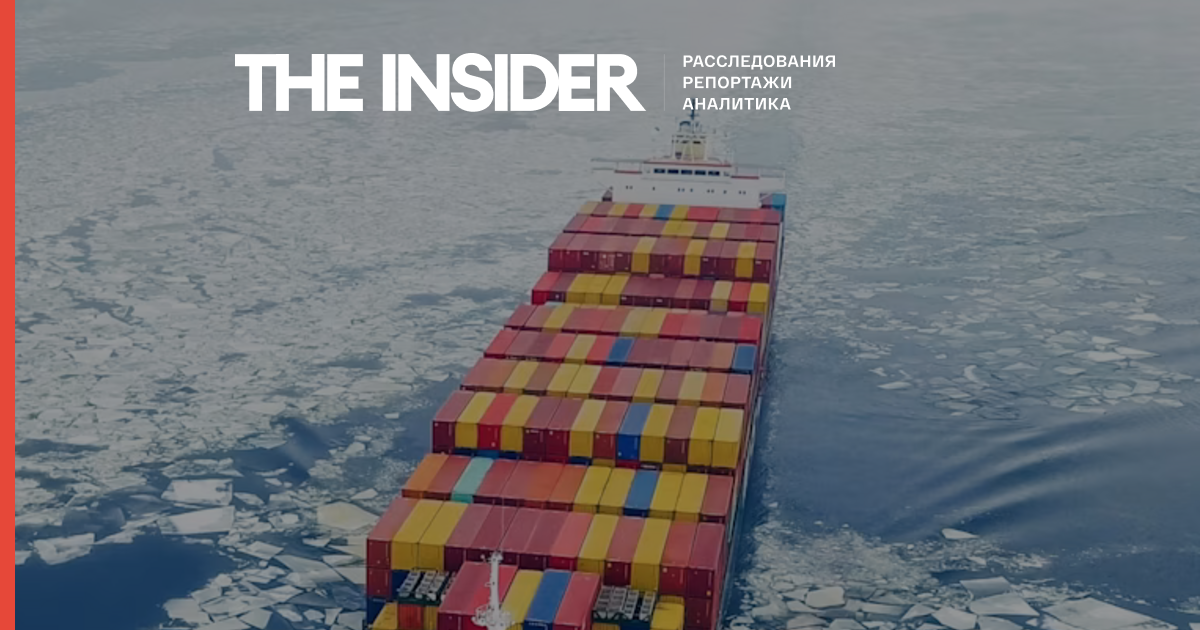
State atomic energy corporation Rosatom has issued permits for seven vessels to complete eight scheduled sailings through the Arctic waters between August and October 2026.
Rosatom Issues Arctic Transit Permits for Sea Legend Shipping
China and Russia have formalized arrangements for maritime transit along the northern coast, establishing a scheduled container service known as the Ice Silk Road. State atomic energy corporation Rosatom issued formal authorizations allowing shipping company Sea Legend to navigate its fleet through the Northern Sea Route corridor.
Rosatom General Director Alexei Likhachev confirmed that the 2026 navigation program marks a significant shift from previous operations. Likhachev stated that the initiative establishes full-fledged linear service with weekly vessel departures throughout the navigation season, moving beyond the experimental and single-voyage test runs of prior years.
The scheduled voyages will utilize seven small- and medium-class container ships operating along a fixed timetable between August and October, provided ice conditions permit. The container ship Dubai Tower is scheduled to depart first, carrying a capacity of 1,740 twenty-foot equivalent units toward the British port of Felixstowe.
Chokepoints and Geopolitical Pressures Drive Alternative Routes
The push toward northern maritime corridors accelerates as traditional southern shipping lanes face security disruptions. Industry analysts point to risks in the Red Sea and the Bab el-Mandeb Strait, where conflict zones and blockades threaten commercial vessels. Alternative southern passages require ships to bypass the African continent via the Cape of Good Hope, adding weeks to transit times.
Maritime risk experts emphasize that northern transits offer a direct method to bypass regional conflicts.
Rosatom leadership noted that the expansion of traffic coincides with repeated closures of the Strait of Hormuz in the Persian Gulf. President Vladimir Putin addressed the development at an April 2026 transport meeting, calling for accelerated expansion of the Transarctic Transport Corridor to connect major global industrial and consumer markets through safer northern waters.
Transit Schedules, Carbon Reductions, and 2030 Freight Projections
Operating along the northern coastal route yields measurable logistical advantages over conventional southern paths. Cargo vessels traveling from the eastern port of Ningbo to Felixstowe in the United Kingdom typically require roughly 40 days via southern canals. Traversing the Arctic corridor cuts that delivery timeline in half to approximately 20 days.
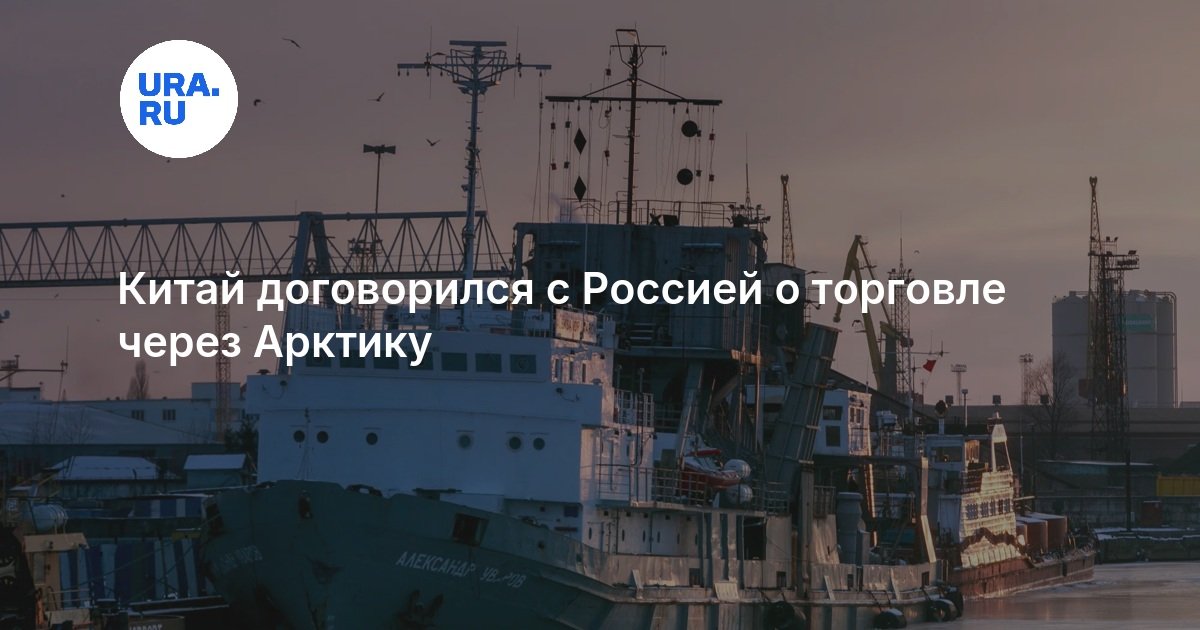
Chinese state media accounts and shipping associations note that shorter distances also translate into environmental gains. Previous test voyages demonstrated an approximate 30 percent reduction in carbon dioxide emissions compared to standard routes traversing the Suez Canal.
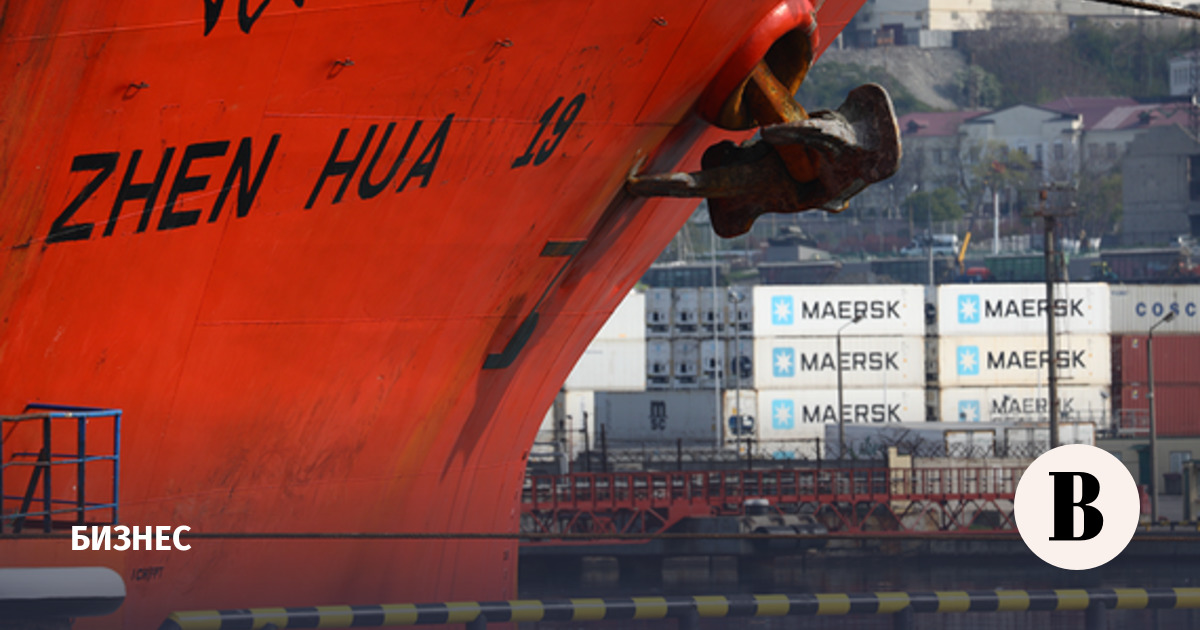
| Route Metric | Traditional Southern Route | Northern Sea Route Arctic Passage |
|---|---|---|
| Average Transit Duration | 37 to 40 days | 20 to 25 days |
| Primary Geopolitical Risks | Red Sea, Bab el-Mandeb, Hormuz | Polar ice and seasonal navigation windows |
| Carbon Emission Impact | Baseline commercial levels | Roughly 30% reduction reported |
Bilateral trade traffic utilizing Russian Arctic waters continues to scale upward. Cargo volumes between Chinese and Russian ports already account for 15 percent of total Northern Sea Route freight, with joint strategic planning aiming to reach 20 million tons of annual cargo by 2030 as part of broader efforts to transport up to 109 million tons of freight overall through the corridor by 2030.
Related reading