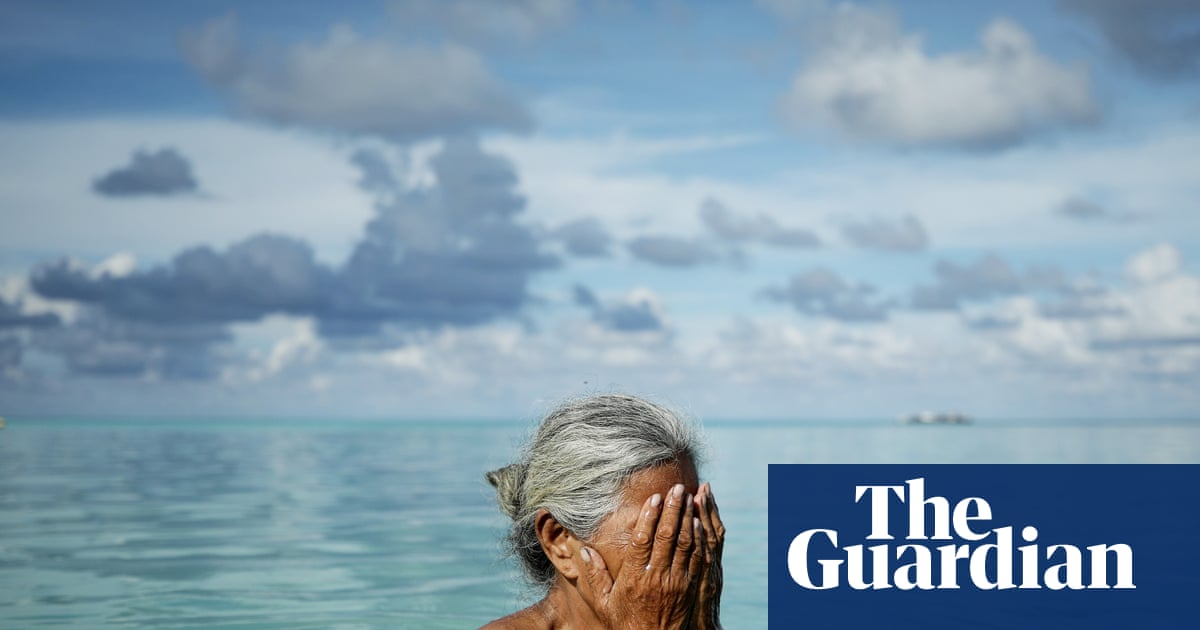
The intersection of environmental collapse and human survival has reached a critical tipping point, shifting from a future projection to a present-day medical emergency. Christiana Figueres, the former UN climate chief and a primary architect of the 2016 Paris agreement, has been appointed to lead a global effort to document and mitigate this crisis. On April 7, 2026, Figueres was named co-chair of a new Lancet Commission dedicated to investigating the health impacts of sea-level rise, public health, and social inequality (National Today).
This initiative, titled “Life at the water’s edge: a Lancet Commission on sea-level rise, health, and justice,” joins Figueres with co-chairs Kathryn Bowen and Jiho Cha (The Lancet). The commission is tasked with analyzing how the advancing waterline is fundamentally altering the daily lives of hundreds of millions of people, transforming a geographic shift into a systemic health crisis that amplifies existing global inequities.
For those of us in the medical community, this appointment signals a necessary evolution in how we view climate change. We are no longer talking solely about temperature gradients or melting ice caps; we are discussing the physical encroachment of the ocean into human settlements and the resulting cascade of pathology and psychological trauma. What we have is a public health emergency that requires a legal and medical framework to address the “mother of all injustices,” as Figueres describes the climate-driven health crisis.
A New Frontier in Global Health and Justice
Lancet Commissions are recognized as high-level international collaborations designed to analyze major global health issues and influence government policy. By establishing this commission, the medical community is formally acknowledging that sea-level rise is not merely an environmental issue, but a primary driver of disease and instability. The commission’s mandate is broad, focusing on the uneven nature of health risks and the necessity of legal frameworks to hold countries accountable for the harms caused by rising oceans.
The urgency of this work follows a 2024 UN general assembly meeting, where representatives from small island developing states and low-lying countries warned that this global crisis threatens approximately 1 billion people (National Today). These populations are on the front lines of a crisis they did the least to create, facing the total loss of habitable land and the destruction of their ancestral homes.
The “Mother of All Injustices”: Fossil Fuels and Accountability
Central to Figueres’ vision for the commission is the link between global energy dependence and human suffering. She has warned that countries are being “held hostage” by their reliance on fossil fuels, a dependence that drives both geopolitical instability and the environmental degradation leading to sea-level rise. Figueres pointed to the current fuel crisis—occurring amid the US-Israel war on Iran—as dramatic proof of the volatility inherent in a fossil-fuel-dependent world.
From a public health perspective, the injustice lies in the distribution of the burden. While the emissions driving the climate crisis originate largely from industrialized nations, the most severe health consequences are borne by the most vulnerable. The commission will specifically examine who should pay for these health impacts and how to establish legal accountability for polluters. By framing this as a matter of justice, the commission seeks to move beyond charitable aid toward a model of reparations and legal responsibility.
Beyond Flooding: The Cascade of Health Risks
When we discuss the health impacts of sea-level rise, the immediate image is often one of catastrophic flooding. Although, the Lancet Commission will investigate a much more complex “cascade” of public health challenges that begin long before a city is submerged. The physical encroachment of saltwater into freshwater systems and human habitats creates a multifaceted health crisis:
- Contamination of Drinking Water: As sea levels rise, saltwater intrusion compromises freshwater aquifers and drinking water supplies, leading to acute dehydration and long-term kidney issues in coastal populations.
- Increased Infectious Diseases: Changing water levels and increased flooding create breeding grounds for waterborne pathogens and vectors for infectious diseases, increasing the risk of outbreaks in crowded coastal settlements.
- Food Insecurity: The salinization of agricultural land renders soil infertile, destroying local food sources and driving malnutrition and dependence on imported, often less nutritious, food supplies.
- Forced Displacement: The loss of habitable land leads to mass migration. Forced displacement is associated with severe psychosocial stress, loss of community support systems, and increased vulnerability to violence and exploitation.
- Worsening Mental Health: The chronic stress of living on the edge of an advancing ocean, coupled with the grief of losing one’s home and heritage, creates a profound mental health crisis characterized by anxiety and “ecological grief.”
Protecting the Frontlines of Care
One of the most alarming focuses of the commission is the vulnerability of critical infrastructure. Hospitals and clinics in coastal regions are often the first line of defense during health crises, yet they are themselves under threat from the rising tide. The commission will analyze how the fragility of coastal medical facilities compromises the ability to provide essential care exactly when it is most needed.
When a hospital is flooded or its access roads are submerged, the result is a total collapse of the local healthcare delivery system. This creates a dangerous paradox: the populations most affected by climate-driven health crises are the ones most likely to lose access to the medical care required to treat them. Ensuring the resilience of medical infrastructure is not just an engineering challenge; it is a fundamental requirement for the survival of coastal communities.
Key Takeaways: The Lancet Commission’s Mission
| Focus Area | Key Objectives |
|---|---|
| Public Health | Analyze the cascade of diseases, water contamination, and mental health impacts. |
| Social Justice | Investigate the uneven distribution of risk and the “mother of all injustices.” |
| Legal Frameworks | Establish mechanisms to hold polluters and countries accountable for health harms. |
| Infrastructure | Assess the fragility of coastal hospitals and essential medical care systems. |
| Timeline | Deliver a comprehensive final report by September 2027. |
As a physician, I believe this commission’s work is vital given that it bridges the gap between climate science and clinical practice. By documenting these impacts through the lens of a medical commission, the findings will carry a weight that can force policy changes in both health and environmental sectors. We are moving toward a reality where “coastal health” will be a specialized field of medicine, focusing on the unique pathologies of displaced and salt-affected populations.
The world is watching as the waterline moves inward. The goal of this commission is to ensure that the global response is not merely reactive—treating the symptoms of flooding—but proactive, addressing the root cause of fossil fuel reliance and the systemic inequalities that leave billions vulnerable.
The next major milestone for this initiative will be the delivery of the commission’s full report, scheduled for September 2027 (National Today). This document is expected to provide the definitive roadmap for holding polluters accountable and protecting the health of the world’s most vulnerable coastal inhabitants.
We invite our readers to share their thoughts on how coastal health infrastructure in their own regions is adapting to environmental changes. Please leave a comment below or share this article to spread awareness of this critical global health initiative.