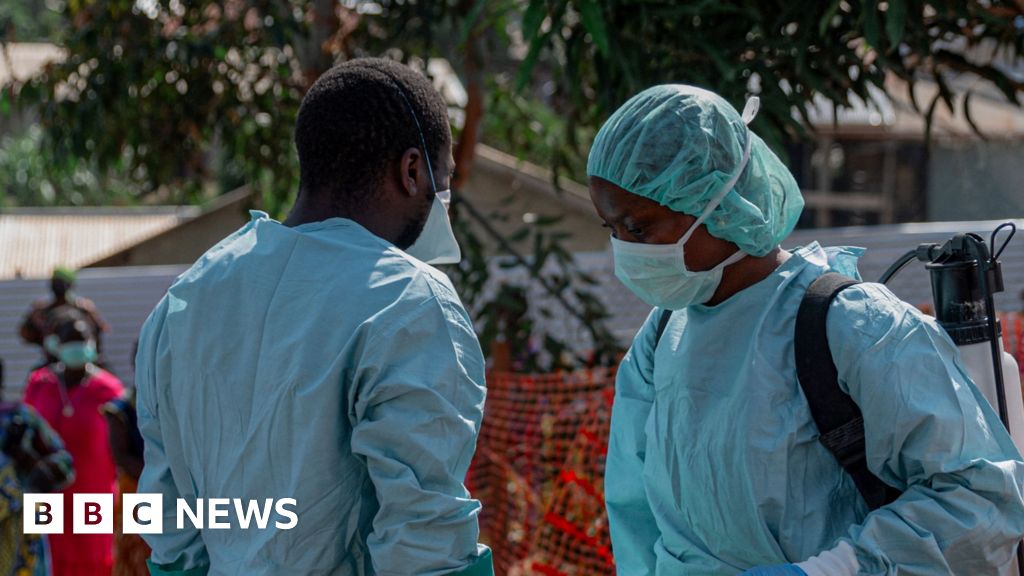
Health authorities in the Democratic Republic of the Congo are searching for a six-year-old child who was removed from a treatment center after armed assailants stormed a medical facility. The incident occurred during an ongoing response to an Ebola outbreak, highlighting the severe security challenges facing medical teams in the region. According to the World Health Organization, the Ebola virus remains a significant public health threat in the Congo, requiring stable access to treatment centers to manage infection rates and prevent community transmission.
The attack, which occurred in a region already struggling with localized conflict, has prompted urgent calls for improved protection of health infrastructure. Local officials confirmed that the armed group entered the facility, disrupting care operations and leading to the disappearance of several patients, including the young child. The United Nations Children’s Fund (UNICEF) has frequently emphasized that children in conflict-affected areas of the DRC are particularly vulnerable to the breakdown of essential health and protection services.
Security Risks to Ebola Treatment Facilities
Medical facilities in the Democratic Republic of the Congo often face significant threats from armed groups, which complicates the delivery of life-saving care. The primary challenge, according to the Centers for Disease Control and Prevention (CDC), is that Ebola treatment units require a high degree of stability to maintain strict protocols for patient isolation and clinical management. When these facilities are compromised, the risk of disease spread increases significantly, as patients who have not completed their treatment may return to their communities while still infectious.
Misinformation regarding the nature of the virus and the purpose of international medical interventions has historically exacerbated tensions in these communities. Health organizations report that community distrust often stems from a lack of understanding about clinical procedures and the sudden, often forced, isolation of family members. Efforts to engage community leaders and traditional healers have been implemented by the World Health Organization to mitigate these fears, though the presence of armed actors remains a persistent barrier to effective public health outreach.
The Impact on Pediatric Patients
The disappearance of a six-year-old patient during the raid poses a critical concern for both the child’s survival and broader public health efforts. Ebola virus disease has a high mortality rate in children, and the interruption of supportive care—such as fluid replacement and nutritional support—significantly reduces the chances of recovery. Medical professionals note that children require specialized attention within treatment units, and their sudden removal from a controlled environment effectively cuts them off from the medical resources necessary to survive the infection.
Beyond the immediate clinical risks, the incident underscores the broader protection crisis affecting minors in the DRC. According to reports from the Human Rights Watch, the targeting of civilian infrastructure, including hospitals and schools, remains a recurring issue in eastern provinces. The loss of a child from a supervised facility necessitates an immediate search operation, often involving local community leaders and health workers who attempt to navigate the complex security landscape to locate missing patients without escalating further violence.
Current Status of Regional Health Response
Public health officials continue to coordinate with local authorities to locate the missing child and ensure the safety of remaining staff and patients. The current strategy involves a combination of community-based surveillance and the reinforcement of security perimeters around active treatment sites. The WHO Regional Office for Africa maintains that the continuity of care is the most effective tool for curbing outbreaks, yet this requires a security environment that allows medical personnel to work without the threat of armed interference.
The next official update regarding the status of the investigation and the health of the missing child is expected to be provided by provincial health authorities in coordination with international partners. Observers are encouraged to monitor updates from local health bureaus for official guidance on safety protocols. We invite our readers to share this report to help raise awareness about the critical need for neutral, safe corridors for medical care in the region.