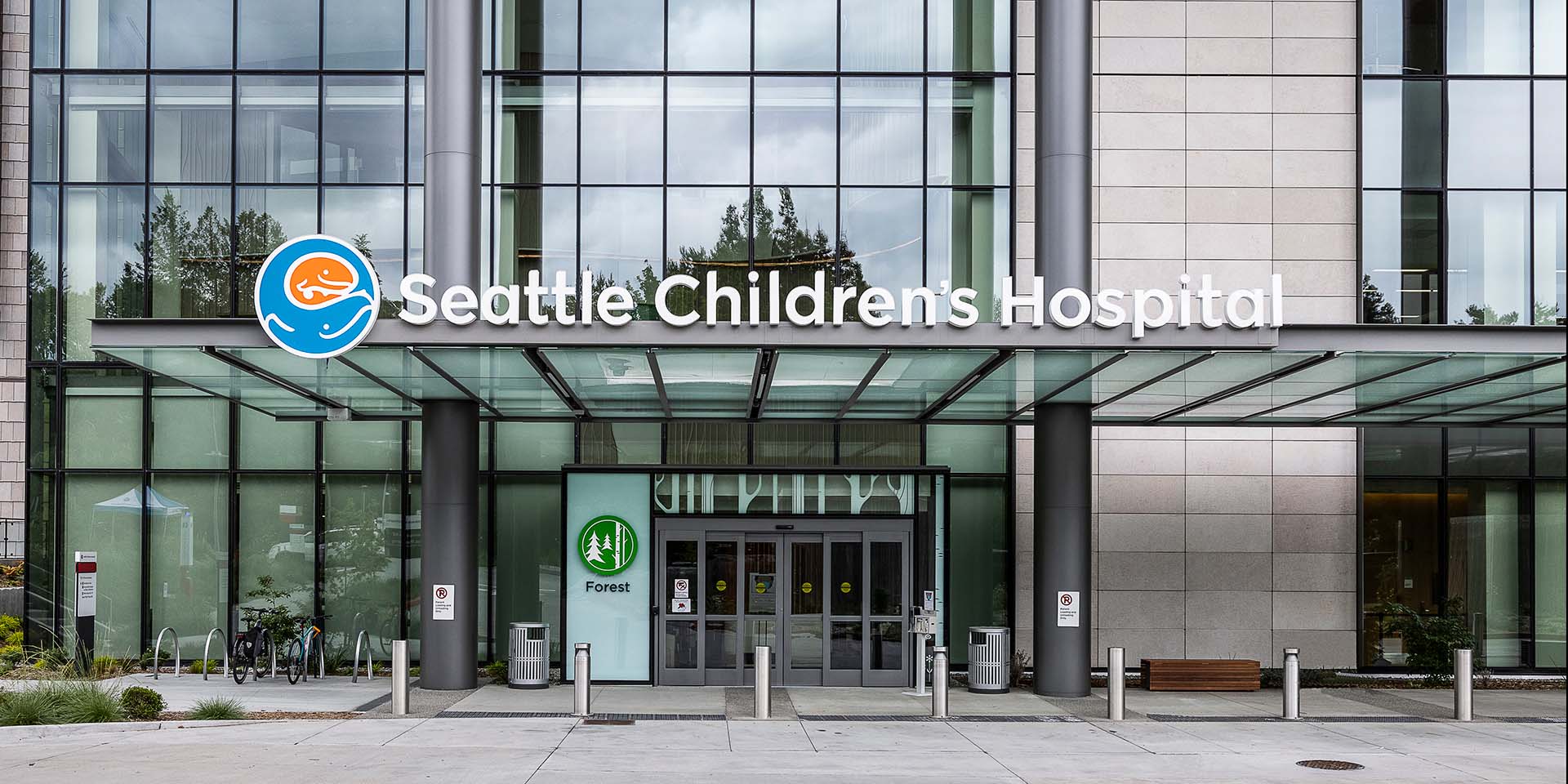
In a move designed to prioritize the speed of life-saving interventions over neighborhood noise concerns, Seattle Children’s Hospital and the Laurelhurst Community Council have reached an agreement to end a decades-old review process for emergency helicopter landings. The decision aims to remove bureaucratic hurdles that may have influenced the transport of critically ill and injured children to the pediatric facility.
The agreement, announced Friday, May 8, 2026, signals a shift in a long-standing tension between the needs of a world-class medical center and the residential tranquility of the surrounding Laurelhurst neighborhood. Under the new arrangement, the Laurelhurst Community Council will fully support the hospital’s request for city approval to eliminate the Medical Review Committee, a body that has overseen rooftop helicopter landings for more than 30 years.
For decades, the Medical Review Committee served as a balancing mechanism, ensuring that the use of the rooftop helipad was justified by medical necessity to mitigate the impact of aircraft noise on local residents. However, the pursuit of this balance has recently come under scrutiny, with concerns emerging that the oversight process could potentially delay the arrival of patients in critical condition.
Seattle Mayor Katie B. Wilson expressed her support for the resolution, stating that she is grateful for a path forward that prioritizes the needs of critically ill and acutely injured children. Wilson described the agreement as the type of solutions-focused partnership the city requires to resolve complex urban conflicts.
The Catalyst for Policy Change
The push to dismantle the review committee gained significant momentum following a social media controversy in late April. On April 28, a person claiming to be a medical pilot posted concerns on X (formerly Twitter) regarding the constraints placed on helicopter transports to Seattle Children’s. The post sparked a wider debate across platforms like Reddit, highlighting a perceived conflict between neighborhood noise ordinances and emergency medical urgency.

According to the claims raised by the pilot, flight crews were forced to make difficult real-time decisions: whether a child’s condition was urgent enough to justify a landing at the hospital—and the subsequent noise complaints—or whether the patient should be diverted to a landing site approximately one mile away. When diverted, patients are typically landed at Graves Field on the University of Washington campus and then transported the remaining distance to the hospital via ambulance.
While the hospital has worked to maintain a positive relationship with the community, the prospect of adding an ambulance transfer to an already critical transport timeline became a focal point for those advocating for the removal of the review process. For pediatric patients in respiratory distress or with severe trauma, every minute saved in transit can be decisive.
Balancing Critical Care and Community Impact
The dispute centers on the inherent challenge of operating a high-acuity medical facility within a quiet residential zone. The rooftop helipad is a vital artery for the hospital, allowing the most fragile patients to bypass ground traffic and move directly into specialized care. However, the acoustic footprint of a helicopter is significant, leading to decades of friction with Laurelhurst residents.
To provide context on the scale of these operations, Seattle Children’s stated that the facility receives three or fewer helicopter transports per week. The hospital further noted that nearly all of the children arriving via helicopter are admitted directly to an intensive care unit, underscoring the severity of the cases involved.
The removal of the Medical Review Committee does not eliminate the hospital’s commitment to the community, but it shifts the priority toward clinical autonomy. By removing the requirement for a retrospective or prospective review of “medical necessity” for landings, the hospital can ensure that pilots and medical directors make decisions based solely on patient stability rather than potential neighborhood repercussions.
The Role of Graves Field
The mention of Graves Field in recent discussions highlights the logistical alternative used when the rooftop pad is avoided. While Graves Field provides a safe landing zone, the transition from aircraft to ambulance introduces a “transfer of care” moment. In emergency medicine, these transfers are known points of risk where stability can be compromised and time is lost.
By streamlining access to the rooftop helipad, the hospital aims to eliminate this secondary transfer for the most critical patients, ensuring a seamless transition from the aircraft to the pediatric intensive care unit.
Global Implications for Urban Healthcare
The situation in Seattle reflects a broader global challenge facing urban hospitals. As cities become more densely populated and noise pollution becomes a primary quality-of-life concern, the “last mile” of emergency transport is increasingly contested. From London to Tokyo, the tension between the “golden hour” of emergency medicine and the rights of residential neighbors is a recurring theme in urban planning.

The resolution reached between Seattle Children’s and the Laurelhurst Community Council provides a potential model for other cities. By moving away from a committee-based review of individual landings and toward a general agreement of support for emergency access, the parties have prioritized clinical outcomes while acknowledging the history of community concerns.
- Policy Shift: Seattle Children’s Hospital is seeking to eliminate the Medical Review Committee that has overseen helicopter landings for over 30 years.
- Community Support: The Laurelhurst Community Council has agreed to support the hospital’s request for city approval to end the reviews.
- Patient Priority: The move is intended to ensure critically ill children are transported as quickly as possible without the need for diverted landings at Graves Field.
- Transport Volume: The hospital reports receiving three or fewer helicopter transports per week, with most patients requiring ICU admission.
- Official Endorsement: Mayor Katie B. Wilson has praised the agreement as a “solutions-focused partnership.”
What Happens Next
While the agreement between the hospital and the community council is a significant milestone, the final step requires official city approval. The hospital will now move forward with the formal process to seek this approval from the City of Seattle to officially dissolve the Medical Review Committee.
Once approved, the hospital will have greater flexibility in managing its rooftop helipad, allowing for a more streamlined approach to emergency admissions. Community members and medical professionals will likely monitor the transition to ensure that while the review committee is gone, the hospital continues to operate its flight services with consideration for the surrounding neighborhood.
The next confirmed checkpoint is the hospital’s submission for city approval, the timeline for which has not yet been publicly detailed. We will continue to monitor the city’s legislative and administrative actions regarding this request.
World Today Journal encourages readers to share their thoughts on the balance between emergency medical access and neighborhood noise concerns in the comments section below.