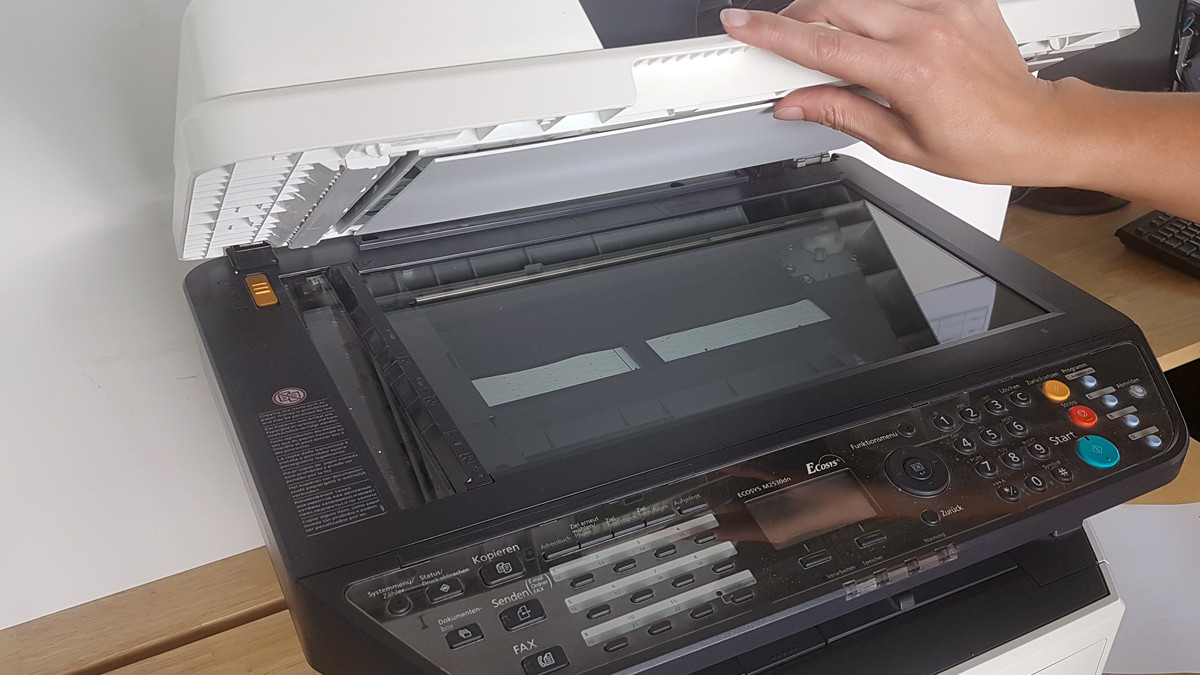
The German healthcare sector is preparing for a significant digital transition as the “GeDIG” (Gesetz zur Beschleunigung der Digitalisierung des Gesundheitswesens) initiative moves to modernize communication channels, effectively signaling the beginning of the end for the traditional fax machine in medical practices. According to the Federal Ministry of Health, the Digital Healthcare Act is designed to replace outdated, paper-based workflows with secure, interoperable digital communication systems, prioritizing patient data protection and efficiency between providers and insured individuals.
This legislative shift represents a broader effort to integrate the Telematics Infrastructure (TI) more deeply into daily clinical practice. By mandating the adoption of modern messaging services, the German government aims to phase out the reliance on analog faxing, which has remained a staple in medical offices despite persistent security and privacy concerns. For patients and healthcare professionals, this means a move toward encrypted, real-time messaging that complies with stringent European data protection standards.
The Role of GeDIG in Modernizing Healthcare
The Digital Healthcare Act, or GeDIG, serves as the legal framework for accelerating the digitization of the German healthcare system. As reported by the Federal Ministry of Health, the law focuses on creating standardized interfaces that allow different software systems to communicate seamlessly. Historically, the “fax-first” culture in German clinics was a byproduct of fragmented IT landscapes where secure alternatives were either unavailable or lacked widespread adoption.
The legislation mandates that communication between physicians, pharmacists, and health insurance providers be shifted to the Telematics Infrastructure. This move is intended to ensure that sensitive health information is no longer transmitted over insecure analog lines. By implementing a standardized messenger service, the government expects to reduce administrative overhead and decrease the time spent on manual documentation and follow-up requests that currently clog fax machines in thousands of practices.
Improving Doctor-Patient Communication
One of the primary objectives of the GeDIG initiative is the formalization of digital communication between doctors and the patients they serve. The ministry has highlighted the integration of secure messaging services as a core feature of this transition. This approach is designed to allow patients to manage appointments, receive test results, and communicate with their general practitioners through a secure, authenticated channel rather than relying on phone calls or postal mail.
The gematik GmbH, the national agency for digital medicine, is responsible for overseeing the technical implementation of these standards. According to their official documentation, the shift toward a messenger-based system requires that all participating endpoints be verified within the TI, ensuring that only authorized parties can access or send patient data. This addresses the primary security flaw of faxing: the risk of sensitive documents being routed to the wrong recipient or accessed by unauthorized staff.
Technical Challenges and Implementation Timelines
While the legislative intent is clear, the practical transition away from fax machines involves significant technical hurdles. Many existing practice management systems (PVS) currently lack the built-in functionality to support the new TI-based messaging protocols. As of the latest updates from the National Association of Statutory Health Insurance Physicians (KBV), software vendors are currently working to integrate these features into their platforms to meet the compliance deadlines set by the federal government.
Practices are encouraged to coordinate with their IT service providers to ensure their systems are compatible with the updated TI requirements. The transition is not instantaneous; it involves a phased rollout where digital messaging services become the default, with analog faxing eventually being restricted or decommissioned as digital alternatives reach full coverage. The government has indicated that the goal is a complete transition, though a definitive “shutdown date” for all fax usage remains dependent on the successful deployment of these digital tools across all federal states.
Impact on Healthcare Stakeholders
The impact of this policy change is tiered across the healthcare ecosystem:
- For Physicians: A transition toward automated, digital workflows reduces the labor-intensive task of managing paper records and manual fax confirmation.
- For Patients: The primary benefit is improved access and faster communication with medical staff, along with higher assurance that their personal health data is encrypted during transit.
- For Insurance Providers: Digital communication channels allow for faster processing of prescriptions, referrals, and administrative requests, which are currently bottlenecks in the German health system.
As the healthcare sector moves toward this digital-first approach, the reliance on legacy infrastructure is expected to decline significantly. The Ministry of Health continues to provide updates on the rollout of these services through its official portal, where stakeholders can monitor the progress of specific modules and mandatory integration dates. For the latest developments regarding the technical specifications and mandatory adoption dates, stakeholders should refer to the Federal Ministry of Health official website.
The next major checkpoint for the integration of these digital services is scheduled for the upcoming quarterly update of the Telematics Infrastructure specifications. We will continue to monitor these developments as they emerge. Have you encountered challenges with the transition to digital messaging in your practice or as a patient? Share your experiences in the comments below.
Related reading