
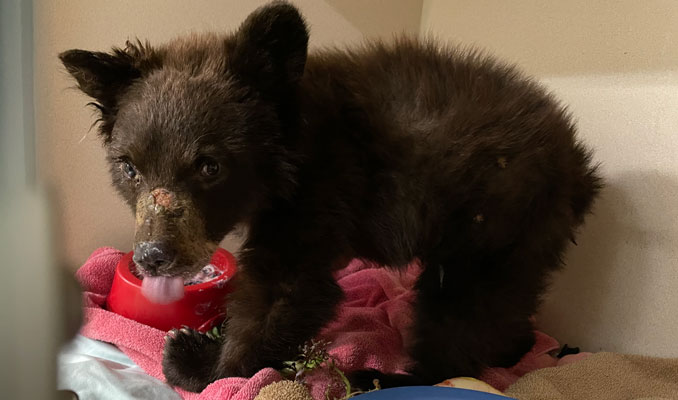
Wildlife officials in Arizona successfully rescued a young female black bear cub from a tree in a residential neighborhood, utilizing a controlled sedation and catch maneuver to ensure the animal’s safety. The operation, which took place in a suburban area, involved local wildlife management teams who deployed a specialized safety net to break the cub’s fall after the sedative took effect.
According to the Arizona Game and Fish Department (AZGFD), such interventions are part of their standard protocols for managing human-wildlife conflict in areas where urban sprawl encroaches upon natural bear habitats. The cub was safely retrieved and subsequently transported for evaluation, a necessary step when young bears are found isolated from their mothers in populated zones.
Understanding Bear Safety Protocols in Urban Areas
When a bear is spotted in a residential area, the primary objective for wildlife authorities is the safety of both the public and the animal. The National Park Service emphasizes that young cubs are rarely truly orphaned; often, the mother is nearby but may have been startled away by human presence or household pets. In this specific incident in Arizona, the decision to sedate the cub was made to prevent it from wandering further into traffic or residential structures.
The use of a catch net is a tactical choice designed to minimize trauma. By ensuring the bear lands on a soft surface, responders reduce the risk of injury from a fall while the animal is incapacitated by the sedative. Once secured, the animal is monitored by biologists to ensure its vital signs remain stable during transport to a rehabilitation facility or a more suitable release site.
Why Bear Cubs Enter Residential Zones
Black bear sightings in suburban Arizona are frequently linked to the availability of food sources. The Arizona Game and Fish Department notes that unsecured trash, bird feeders, and pet food left outdoors act as strong attractants for juvenile bears. These animals are often in a phase of learning how to forage and are naturally curious, which leads them to explore human-occupied spaces.
Wildlife experts advise residents in bear-prone areas to follow specific mitigation strategies to reduce the likelihood of human-bear encounters:
- Secure all trash containers with bear-resistant lids.
- Remove bird feeders during active bear months.
- Keep pet food inside the home or in a locked garage.
- Clean outdoor grills thoroughly after every use.
The Role of Wildlife Rehabilitation
The rescue of a cub does not automatically lead to permanent captivity. According to state policies, the goal is to rehabilitate the animal so it can eventually be released back into the wild. If a cub is deemed healthy and has not become overly habituated to human interaction, it stands a higher chance of successful reintegration into its natural habitat.
The U.S. Fish and Wildlife Service works alongside state agencies to manage these populations. By removing the bear from a high-risk urban environment, the authorities successfully mitigated a potential conflict, protecting both the cub from human-related dangers and the local residents from the risks associated with a wild animal in their immediate vicinity.
What Happens After the Rescue
Following the successful retrieval, the cub underwent a medical assessment to check for injuries or signs of malnutrition. If the cub is determined to be healthy, authorities typically look for opportunities to release it in a remote, protected area far from human development. The success of such operations relies heavily on the cooperation of local residents who report sightings promptly rather than attempting to approach or feed the animals.
For ongoing information regarding wildlife safety and updates on regional bear management programs, residents are encouraged to consult the official portal of the Arizona Game and Fish Department. The department continues to monitor the area for signs of the mother or other cubs to ensure the family unit is accounted for, if possible.
If you have witnessed similar wildlife activity or have questions about living safely near local bear populations, please contact your local wildlife office. Sharing these safety guidelines helps protect both your community and the region’s diverse wildlife. Readers are invited to discuss their experiences with local wildlife management in the comments section below.
Related reading