SELMA, Alabama – As thousands gather in Selma this weekend to commemorate the 69th anniversary of “Bloody Sunday,” a renewed sense of urgency hangs over the fight for voting rights in the United States. The annual pilgrimage to the Edmund Pettus Bridge, a site of brutal violence against civil rights marchers in 1965, comes as the Supreme Court is poised to deliver a ruling in a case with the potential to significantly alter the landscape of electoral representation, particularly for minority voters. The specter of diminished voting access, once seemingly relegated to the history books, is once again casting a shadow over the promise of equal suffrage.
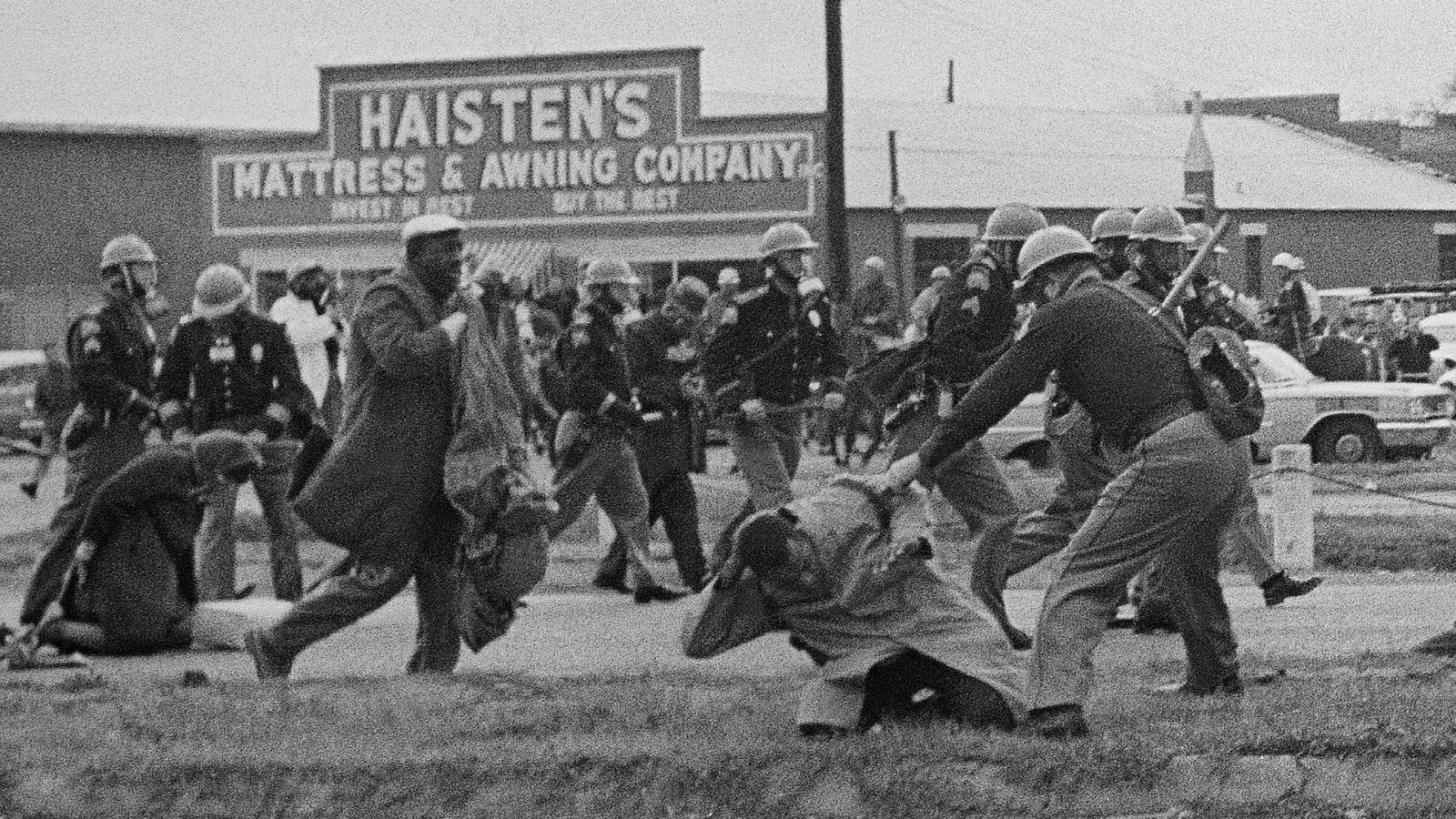
On March 7, 1965, approximately 600 peaceful demonstrators, led by figures like John Lewis and Hosea Williams, began a march from Selma to Montgomery to advocate for voting rights for African Americans. They were met with horrific violence by state troopers and local law enforcement on the Edmund Pettus Bridge, an event that became known as “Bloody Sunday.” Images of the brutality – troopers wielding billy clubs and tear gas against unarmed marchers – shocked the nation and galvanized support for the passage of the Voting Rights Act of 1965. This landmark legislation outlawed discriminatory voting practices, such as literacy tests, that had been used to disenfranchise Black voters in the South for decades.
The Voting Rights Act fundamentally reshaped the political landscape of the American South, leading to a dramatic increase in Black voter registration and representation. However, decades later, the protections afforded by the Act have been steadily eroded by Supreme Court decisions. The 2013 ruling in Shelby County v. Holder effectively gutted Section 5 of the Act, which required states with a history of voting discrimination to obtain federal preclearance before implementing changes to their voting laws. This decision opened the door for states to enact restrictive voting measures, including stricter voter ID laws, reduced early voting periods, and the purging of voter rolls.
The Current Legal Challenge and Its Potential Impact
The case currently before the Supreme Court, Allen v. Milligan, centers on the drawing of congressional districts in Alabama. Plaintiffs argue that the state’s congressional map illegally dilutes the voting power of Black voters, violating Section 2 of the Voting Rights Act. The core issue revolves around whether Alabama’s map creates a single majority-Black district out of seven, despite the state having a substantial Black population. The plaintiffs contend that the map should include two majority-Black districts, arguing that this is necessary to provide Black voters with an equal opportunity to elect their preferred candidates. A federal court initially agreed with the plaintiffs and ordered Alabama to redraw its map, but the state appealed the decision to the Supreme Court. The Edmund Pettus Bridge itself stands as a stark reminder of the struggles fought to secure the right to equal representation.
The Supreme Court’s decision in Allen v. Milligan could have far-reaching consequences beyond Alabama. If the Court upholds the lower court’s ruling, it would reaffirm the importance of Section 2 of the Voting Rights Act and empower minority voters to challenge discriminatory maps in other states. However, if the Court sides with Alabama, it could significantly weaken Section 2 and make it more challenging to challenge maps that dilute the voting power of minority communities. This could lead to a wave of redistricting efforts aimed at diminishing the influence of voters of color across the country.
Echoes of the Past, Fears for the Future
Charles Mauldin, a participant in the original 1965 march and now 78 years old, expressed deep concern about the potential rollback of voting rights protections. “I’m worried that all the progress achieved over the last 61 years could be undone,” he stated, echoing the anxieties of many civil rights advocates. His fears are rooted in a lived experience of systemic disenfranchisement and a deep understanding of the fragility of democratic gains. The struggle for voting rights, he emphasizes, is not a relic of the past but an ongoing battle that requires constant vigilance.
Former Alabama State Senator Hank Sanders, a key figure in organizing the annual Selma commemoration, shares Mauldin’s apprehension. “The feeling is a profound fear that we will be taken back – a greater fear than at any time since 1965,” Sanders said. He believes that the current legal challenges represent a concerted effort to undermine the progress made in the Civil Rights Movement and to restore a system of racial inequality. Sanders, who has dedicated his life to fighting for voting rights, stresses the importance of continued activism and engagement in the political process.
FILE – State troopers hit protesters with billy clubs to break up a civil rights voting march in Selma, Ala., on Sunday, March 7, 1965.AP Photo/File
U.S. Representative Shomari Figures, who was elected to an Alabama district that was redrawn by a federal court following a similar legal challenge, underscored the significance of the Selma march and the Voting Rights Act. He stated that these events were “monumental in shaping what America looks like and how America is represented in Congress.” Figures believes that the annual commemoration in Selma serves as a crucial reminder that the progress achieved during the Civil Rights Movement is not guaranteed and must be actively defended. He emphasizes that the fight for voting rights is a continuous process, requiring ongoing vigilance and engagement.
The Edmund Pettus Bridge: A Symbol of Struggle and Resilience
The Edmund Pettus Bridge, completed in 1940 and named after a former Confederate general and Ku Klux Klan leader, stands as a potent symbol of the struggle for racial equality. The bridge, which carries U.S. Route 80 Business across the Alabama River, is 42.3 feet wide and 1,248.1 feet long. Its historical significance transcends its physical dimensions, representing a pivotal moment in the fight for voting rights and a testament to the courage of those who risked their lives to challenge systemic injustice. The bridge was designated a National Historic Landmark in February 2013, recognizing its importance to American history.
In 1965, the marchers, walking in pairs, faced a wall of law enforcement officers at the apex of the bridge. John Lewis and Hosea Williams led the way, followed by Charles Mauldin and others. Despite the imminent threat of violence, they continued forward, embodying a spirit of unwavering determination. The ensuing brutality – the billy clubs, the tear gas, the trampling – became etched in the nation’s collective memory, galvanizing support for the Voting Rights Act.
Looking Ahead: The Ongoing Fight for Voting Rights
As the Supreme Court deliberates the Allen v. Milligan case, civil rights advocates and concerned citizens are mobilizing to protect voting rights. Organizations like the NAACP and the Southern Poverty Law Center are actively engaged in voter education and advocacy efforts, working to ensure that all Americans have equal access to the ballot box. The outcome of this case will undoubtedly shape the future of voting rights in the United States, determining whether the promise of equal suffrage will be fully realized or further eroded.
The commemoration in Selma serves not only as a remembrance of the past but too as a call to action for the present. Organizers emphasize that the fight for voting rights is far from over and that continued vigilance and engagement are essential to safeguarding this fundamental democratic principle. The legacy of Bloody Sunday demands that we remain steadfast in our commitment to ensuring that every citizen has the opportunity to participate fully in the political process.
The Supreme Court is expected to issue a ruling in Allen v. Milligan by the end of June 2024. Further updates on the case can be found on the SCOTUS blog: https://www.scotusblog.com/. The ongoing struggle for voting rights requires continued attention and engagement from all citizens. Share this article and join the conversation – the future of our democracy depends on it.