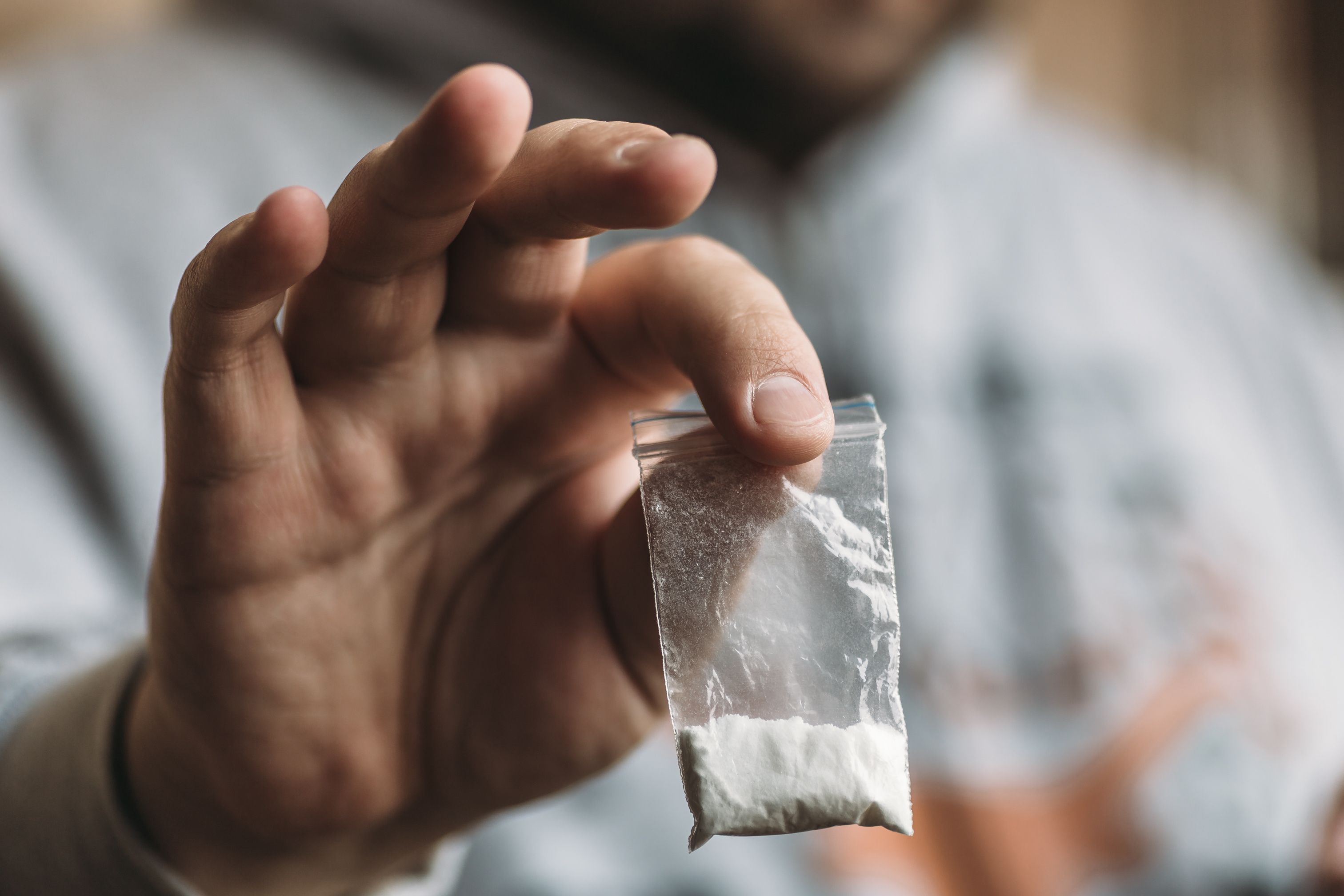
Semaglutide Shows Promise as Potential Treatment for Cocaine Use Disorder
The landscape of addiction treatment may be on the verge of a meaningful shift.Emerging research suggests that semaglutide, a medication widely known for its role in managing type 2 diabetes and weight loss, could offer a novel approach to combating cocaine use disorder. This article delves into the findings, exploring the science behind this potential breakthrough and what it means for individuals struggling with cocaine addiction.
The Challenge of Cocaine Use Disorder & The Need for New Treatments
Cocaine use disorder remains a formidable public health challenge. Current treatment options often face limitations, highlighting the urgent need for innovative pharmacological interventions. Stimulant use disorder,in general,has proven particularly difficult to treat,leaving a gap in effective medication options. This is where semaglutide enters the picture.
How Semaglutide Works: Beyond Diabetes & Weight management
Semaglutide belongs to a class of drugs called GLP-1 receptor agonists. Originally developed to regulate blood sugar in individuals with type 2 diabetes, these medications have demonstrated surprising effects on reward pathways in the brain. specifically, thay appear to reduce cravings and compulsive behaviors associated with substance use.
Previous studies showed that another GLP-1 agonist, exenatide, had some impact on cocaine-related behaviors in animals, but its effects were limited in humans. Semaglutide,being a more potent and longer-lasting GLP-1,sparked interest in whether it could deliver more ample results.
Groundbreaking Research in Rats: A Significant Step Forward
Recent research conducted on rats provides compelling evidence. Researchers investigated semaglutide’s impact on cocaine-seeking behavior, motivation to use the drug, and dopamine levels in the brain.Here’s a breakdown of the key findings:
* Reduced Cocaine Use: Rats treated with semaglutide exhibited a 26% decrease in self-administered cocaine use compared to the control group.
* Decreased Drug-Seeking: After a period of abstinence, semaglutide significantly reduced cocaine seeking by 62%.
* Lowered Motivation: The “work” rats were willing to do to obtain cocaine - a measure of motivation - decreased by 52% with semaglutide treatment.
* dose Matters: Higher doses of semaglutide proved more effective in reducing cocaine use, suggesting a dose-response relationship.
These results build on previous findings demonstrating semaglutide’s ability to reduce alcohol consumption and cravings in both animal and human studies. This is the first study to demonstrate semaglutide’s potential as a pharmacological treatment for cocaine dependence.
What Does This Mean for Humans? Expert Perspectives
Experts in the field are cautiously optimistic. christian Hendershot, a professor at the keck School of Medicine at the University of Southern California, emphasized the importance of this research:
“These findings have clinical implications given the challenges of identifying medications for stimulant use disorder and the increasing clinical use of semaglutide in many areas of the world. These findings should encourage clinical trials of GLP-1 receptor agonists for stimulant use disorder.”
Jerlhag, the lead researcher, echoed this sentiment, noting the consistency with previous findings on alcohol use. The study, published in European Neuropsychopharmacology, provides strong justification for further inquiry.
Looking Ahead: Clinical Trials and Future Research
While these findings are promising, it’s crucial to remember this research was conducted on rats. The next critical step is to conduct rigorous clinical trials in humans to determine:
* Efficacy: Does semaglutide demonstrate similar effects in individuals with cocaine use disorder?
* safety: What are the potential side effects of using semaglutide for this purpose?
* Optimal dosage: What is the most effective and safe dosage for treating cocaine addiction?
* Long-term Effects: What are the long-term outcomes of semaglutide treatment?
Your Path to Recovery: Resources and Support
If you or someone you know is struggling with cocaine use disorder,remember you are not alone. Here are some resources that can help:
* SAMHSA National Helpline: 1-800-662-HELP (4357) – A confidential, free, 24/7 information service. ([https://wwwsamhsa[https://wwwsamhsa[https://wwwsamhsa[https://wwwsamhsa