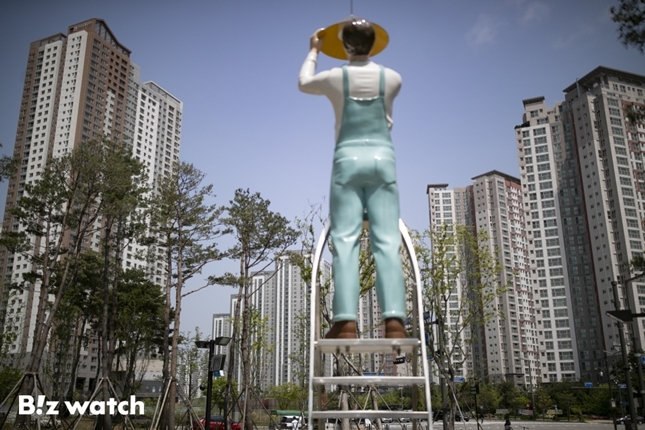
Rising residential property prices in Dongtan, a key district within Hwaseong, South Korea, are increasingly linked to the robust growth of the semiconductor sector, according to regional real estate market analysis. As major industry players like Samsung Electronics expand their manufacturing footprint, the influx of high-income workers has spurred localized housing demand, prompting ongoing debates among policymakers regarding the efficacy of real estate cooling measures in semiconductor-adjacent hubs.
The correlation between the semiconductor industry’s cyclical performance and local housing markets has become a focal point for economic observers. Dongtan, situated near the Gyeongbu Expressway, serves as a primary residential base for employees of major chip manufacturers, including Samsung Electronics’ Pyeongtaek and Giheung campuses. According to data tracked by the Ministry of Land, Infrastructure and Transport, residential transaction volumes and price indices in Hwaseong often mirror the capital expenditure announcements made by these technology conglomerates.
The Semiconductor Effect on Regional Housing
The expansion of semiconductor manufacturing facilities—often referred to as the “semiconductor cluster”—has historically functioned as a catalyst for urban development. When companies like Samsung Electronics announce multi-billion dollar investments, the immediate secondary effect is often an increase in housing demand from a workforce that prioritizes proximity to high-tech employment hubs. This phenomenon is particularly visible in Gyeonggi Province, where the concentration of industrial capacity is the highest in the country.
Market analysts note that the “semiconductor premium” in property values is driven by two primary factors: the high disposable income of the engineering workforce and the necessity of commuting convenience. The Gyeongbu Expressway corridor provides a strategic link for workers moving between industrial clusters. However, this demand-side pressure frequently outpaces supply, leading to upward price volatility in specific apartment complexes that are marketed as “semiconductor-adjacent” housing.
Evaluating Regulatory Intervention
The South Korean government has historically utilized various cooling measures to stabilize the housing market, including the designation of “speculative zones” and the implementation of stricter loan-to-value (LTV) ratios. As reported by the Financial Services Commission, these regulations are designed to curb speculative investment rather than hinder legitimate residential demand from local workers. The central challenge for regulators is distinguishing between genuine housing needs for industrial employees and speculative capital flows that track industrial growth.
Critics of broad-based regulatory measures argue that “blanket” restrictions, such as those that might group an entire city under a single regulatory umbrella, can inadvertently penalize residents who are not engaged in speculative activity. When the government moves to “lock” or restrict financing in a specific area, it often leads to a temporary decline in transaction volume. However, the long-term effectiveness of these measures remains a subject of intense professional debate, as they do not address the underlying supply-demand imbalance created by industrial clustering.
Economic Context and Future Outlook
The current economic climate for the semiconductor industry is marked by significant volatility, influenced by global supply chain shifts and fluctuating demand for memory chips. As the Ministry of Economy and Finance monitors these industrial trends, the potential for a cooling semiconductor market to impact local real estate remains a pertinent risk factor. If industrial growth slows, the primary engine of housing demand in Dongtan could experience a corresponding cooling effect, regardless of regulatory intervention.

For prospective residents and investors, the key metric to watch is the continued capital expenditure by major chipmakers, which is typically disclosed in official quarterly regulatory filings. These filings provide a more accurate forecast of regional economic activity than speculative market sentiment. As of the latest reporting period, the concentration of high-tech manufacturing in the Gyeonggi region remains a pillar of regional economic stability, though it continues to keep the local housing market sensitive to industrial fluctuations.
The next major checkpoint for this sector will be the release of updated regional economic impact studies from the Korea Development Institute, which periodically reviews the correlation between industrial clusters and local urban development. Residents and market participants are encouraged to monitor official government announcements regarding future land use and housing supply policies in the Hwaseong area. Please share your insights or questions regarding the impact of industrial growth on your local property market in the comments section below.