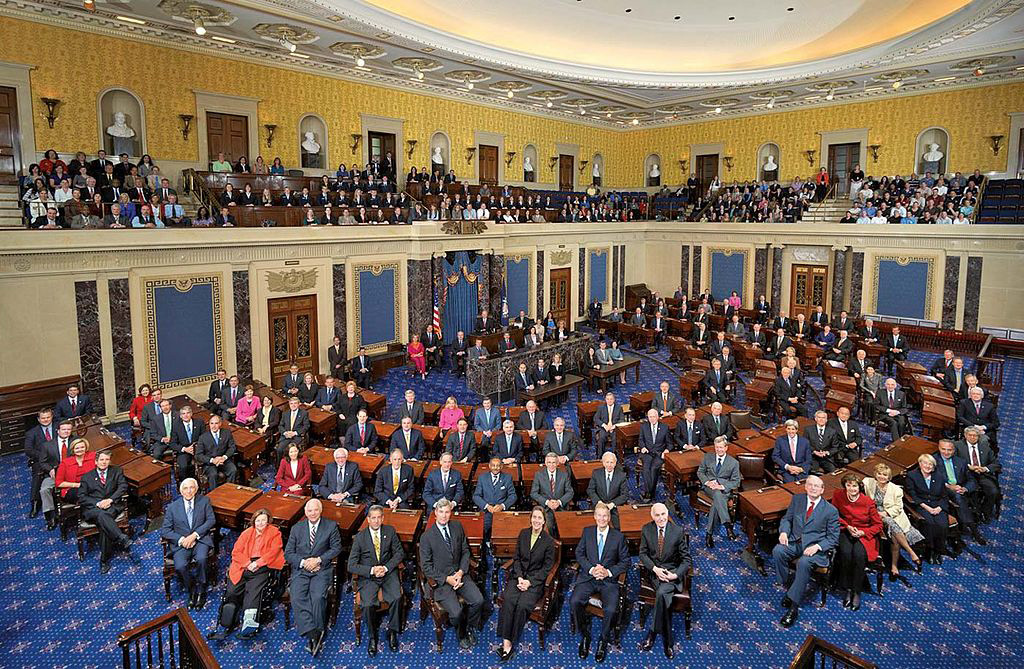
The nomination of Kevin Warsh for the position of Chair of the Federal Reserve has triggered a significant debate within the United States Senate, centering on the boundaries of executive influence over monetary policy. During a hearing held on April 21, 2026, members of the Senate Banking, Housing, and Urban Affairs Committee scrutinized the nominee’s past statements and his potential approach to central bank independence, as documented in the official remarks from Ranking Member Senator Elizabeth Warren.
The discourse surrounding the nomination—often referred to in the context of the Federal Reserve Chair confirmation process—highlights a broader tension between the executive branch’s economic goals and the institutional autonomy of the Fed. In her opening statement, Senator Warren argued that the current administration has sought to pressure the Federal Reserve to implement monetary policies aimed at short-term economic stimulation, specifically ahead of the November election cycle.
The Debate Over Federal Reserve Independence
A central point of contention during the confirmation hearing was the role of the President in commenting on interest rate policy. According to the transcript of the Senate Banking Committee hearing, participants debated whether the nominee would maintain the necessary distance from political pressure if confirmed. Senator Warren expressed concern that the nominee’s testimony regarding the appropriateness of elected officials stating their views on rates could be interpreted as an opening for the executive branch to influence the Fed’s decision-making process.

The hearing underscored the importance of the Federal Reserve’s role in managing inflation and consumer sentiment. As noted in the committee’s official record, critics of the administration’s approach point to recent economic indicators, including consumer sentiment metrics and rising costs for essential services like healthcare, utilities, and housing. These factors have placed the Federal Reserve’s mandate for price stability at the center of the political narrative.
Institutional Oversight and Economic Policy
The nomination process serves as a formal mechanism for the legislative branch to conduct oversight of executive appointments. The Senate’s role in confirming a Chair for the Federal Reserve is designed to ensure that appointees are prepared to navigate the complexities of monetary policy while resisting political interference. The concerns raised during the recent hearings reflect a long-standing debate in Washington regarding the balance of power between the White House and the independent agencies tasked with stabilizing the national economy.
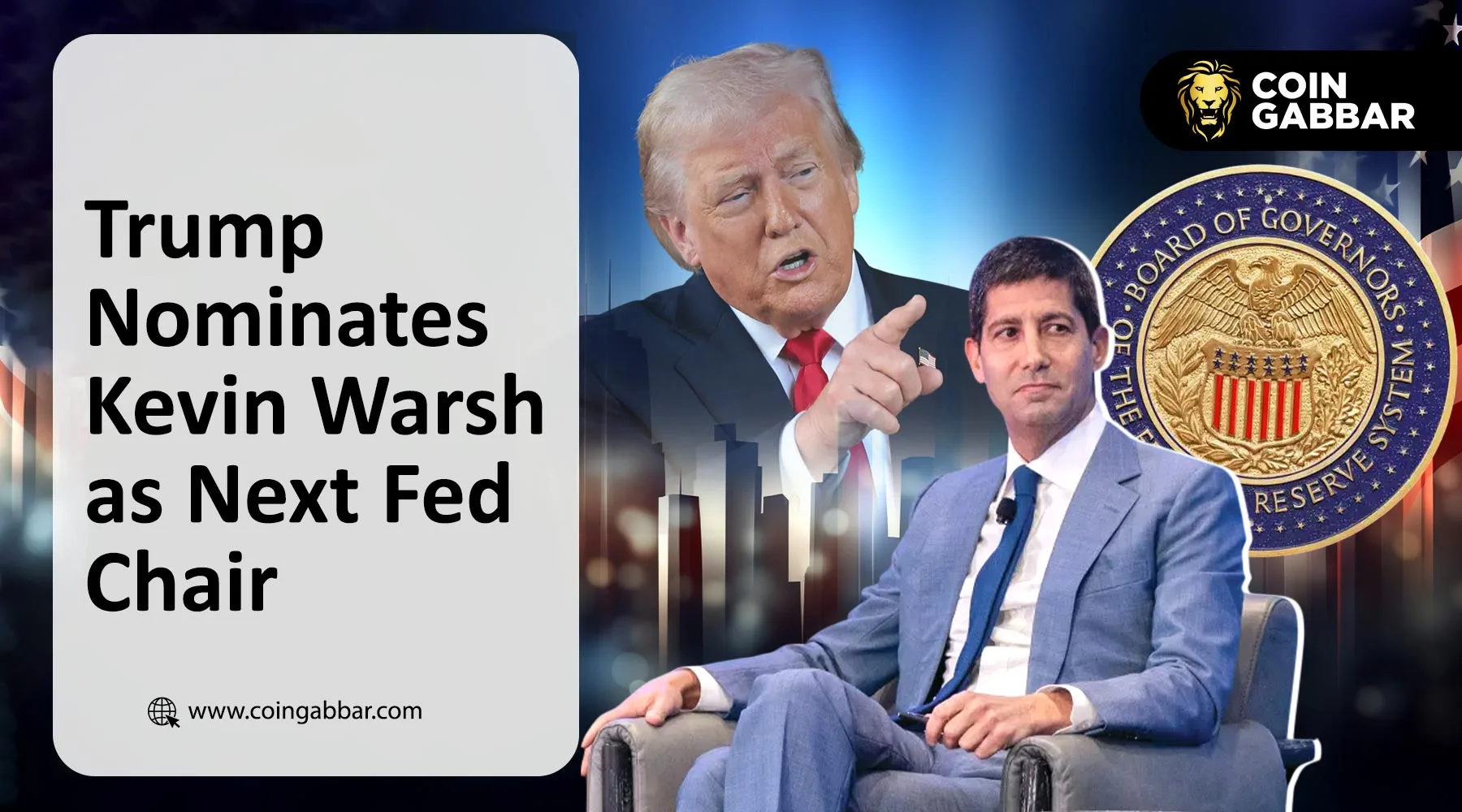
For observers of global finance and domestic economic policy, the outcome of this confirmation process is expected to signal the future direction of U.S. Interest rate strategy. The Senate Banking Committee continues to assess the nominee’s qualifications and his commitment to the independence of the Federal Reserve board. The hearing transcript highlights that the committee’s focus remains on whether the nominee will prioritize long-term economic health or succumb to the political pressures described by dissenting members of the committee.
Key Takeaways from the Nomination Hearing
- Institutional Autonomy: The hearing focused on the degree to which a Fed Chair should remain insulated from presidential demands regarding interest rate adjustments.
- Economic Concerns: Committee members highlighted rising costs for consumers in areas such as housing, utilities, and healthcare as primary stressors in the current economic environment.
- Legislative Oversight: The Senate Banking Committee’s examination of the nominee emphasizes the critical role of the confirmation process in maintaining checks and balances.
- Contextual Pressures: The timing of the nomination, occurring in an election year, has heightened the scrutiny regarding the potential for short-term economic maneuvering.
As the confirmation process moves forward, the focus remains on the upcoming votes and official committee reports. Readers can find the most recent updates and full transcripts of these proceedings on the official Senate Banking Committee website. We invite our readers to follow this developing story as we provide further analysis on the implications of this appointment for the global financial landscape. Please share your thoughts or join the conversation in the comments below.
Related reading