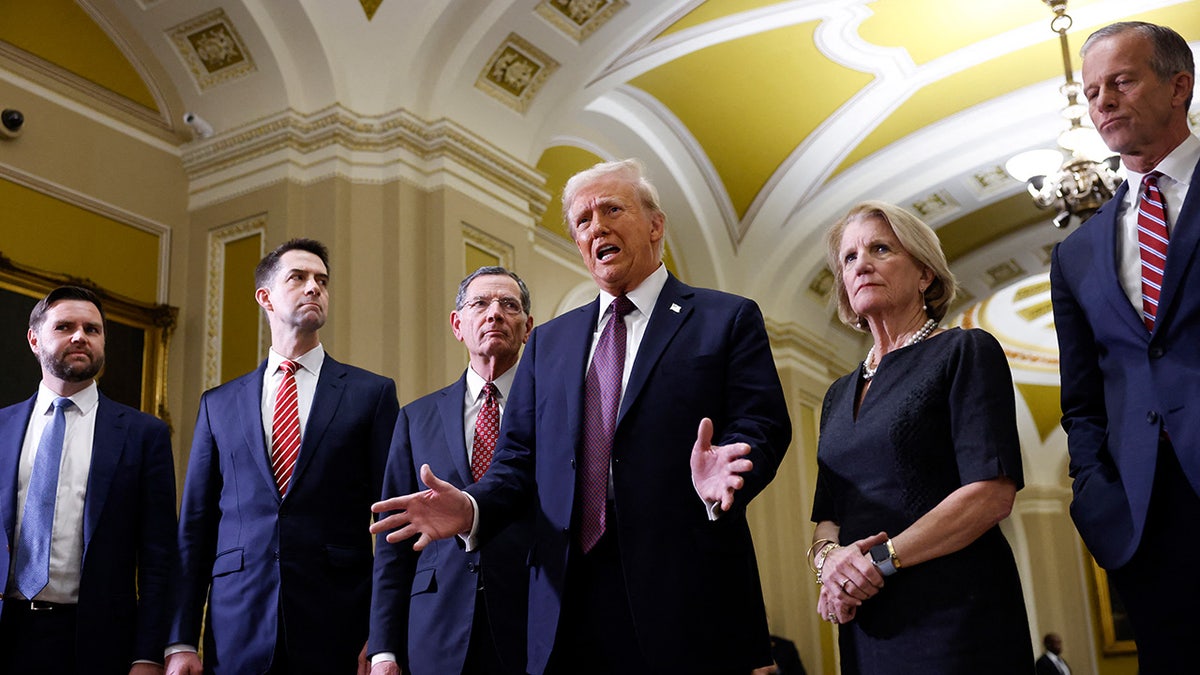
Congressional leadership faced a sudden legislative roadblock on Thursday, May 21, 2026, as a Republican revolt over a proposed $1.776 billion administration fund effectively stalled a planned reconciliation package. The funding proposal, described by some lawmakers as an “anti-weaponization fund,” became a point of significant contention, leading Senate leadership to delay planned votes on a broader $72 billion legislative effort aimed at Immigration and Customs Enforcement (ICE) and Customs and Border Protection (CBP) operations.
The legislative impasse emerged as lawmakers prepared to advance the reconciliation bill ahead of the upcoming Memorial Day recess. Senate Majority Leader John Thune, R-S.D., confirmed to reporters on Thursday afternoon that the dispute over the administration’s funding request necessitated the delay. The situation highlights the challenges of party unity within the 119th United States Congress, where the Republican majority holds 53 seats compared to a combined 47 seats for the Democratic caucus and independents.
Legislative Standoff Over Funding Priorities
The core of the conflict centers on a $1.776 billion proposal from the Trump administration. While the broader reconciliation package was intended to bolster border security and immigration enforcement, the inclusion of this specific fund drew sharp criticism from members of the GOP. One Republican senator reportedly characterized the proposal as a “payout pot for punks,” signaling deep-seated unease regarding the fund’s objectives and the lack of prior consultation with legislative leadership.
The Senate, which operates under the authority of Article One of the U.S. Constitution to manage federal legislation, had been scheduled to begin voting on the $72 billion border security package on Thursday. Senate Majority Leader Thune indicated that the administration’s failure to discuss the proposal with leadership before its introduction complicated the path forward. “It would’ve been nice if they consulted,” Thune stated, noting that the administration “probably would have gotten plenty of advice from lots of folks about it.” According to official records from the U.S. Senate, the chamber had been active in its regular proceedings, including hearings held by the Committee on Armed Services and the Committee on Appropriations earlier that day.
MacFarlane: ‘Zero’ Republicans say they are keen on Trump’s $1.8B fund May 21, 2026 / 10:17
Impact on the Congressional Calendar
With opposition mounting and some GOP members appearing willing to support Democratic-led amendments aimed at blocking the fund, Senate leadership opted to pull the vote entirely. This decision effectively sent lawmakers home early, disrupting the timeline to pass the reconciliation bill before the Memorial Day recess. The delay marks a significant shift in the Senate’s momentum, as leaders had hoped to move the legislation toward the House of Representatives by late Thursday or early Friday morning.
The broader legislative context involves the U.S. Senate’s role as the upper house of Congress, which holds the exclusive power to confirm presidential appointments and approve legislation. As the chamber navigates this internal disagreement, the status of the $72 billion ICE and CBP funding remains in limbo. Thune emphasized that the party would “pick up where we left off,” though he acknowledged the path forward had become more complex.
The Road Ahead
For observers of U.S. Politics, the current standoff serves as a reminder of the delicate balance required to pass major spending bills in a closely divided Senate. The administration’s proposal, while intended to address specific administrative goals, has become a lightning rod for broader concerns about executive-legislative relations. As the Senate prepares for future sessions, the focus will likely remain on whether the administration can bridge the divide with its own party members or if the current legislative package will require significant restructuring.

The Senate’s calendar remains the primary resource for tracking future floor proceedings and scheduled hearings. As of the latest update, the chamber has concluded its business for the week, with the next scheduled activity contingent upon the resolution of this internal policy dispute. Interested parties can continue to monitor Senate Floor Proceedings and official roll call votes for updates as the situation evolves.
We invite our readers to share their perspectives on this developing story in the comments section below. How do you view the balance between executive funding requests and congressional oversight? Stay tuned to World Today Journal for continued coverage of these and other critical political developments.
Worth a look
- Netherlands Wildfire Crisis: Emergency Services Warn of Capacity Limits and Hard Choices
- How Urban Trees and Green Infrastructure Cool Cities and Prevent Floods
- Trump’s Former Lawyer Clears Key Hurdle for Attorney General Role (world-today-news.com)
- House and Senate Passed Different Bills to Avoid the Same Shutdown (daybreakwire.com)