WASHINGTON, D.C. — May 20, 2026
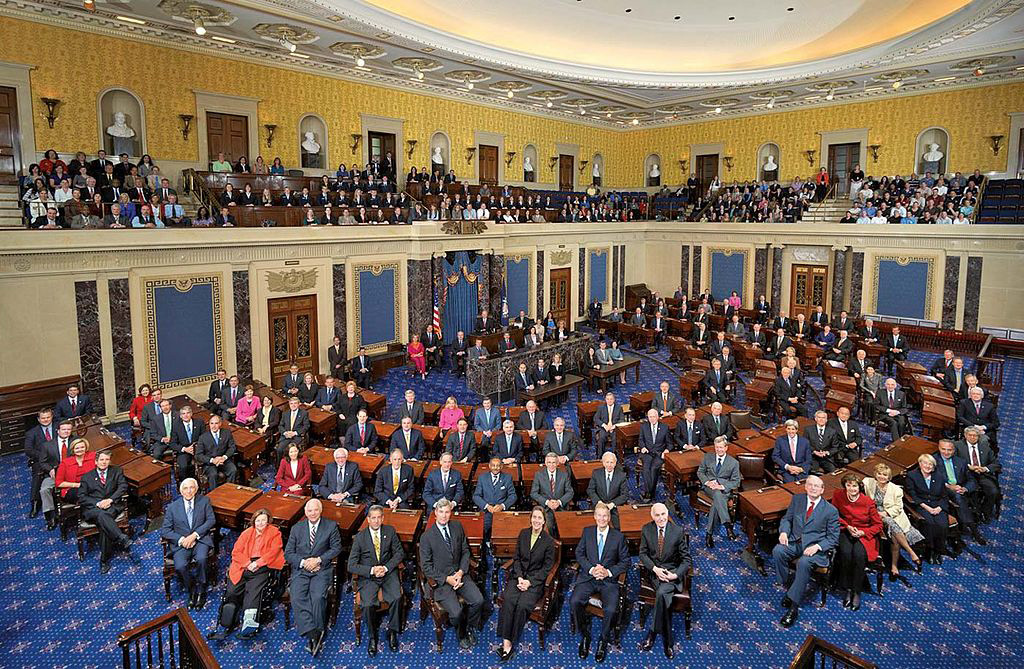
The U.S. Senate has taken a historic step toward reining in military action against Iran, advancing a bipartisan resolution on Wednesday that would block further unilateral strikes by the Trump administration. The measure, which passed a procedural vote in the Senate chamber, represents a rare moment of congressional defiance against the president’s foreign policy agenda and underscores growing bipartisan skepticism about the escalating tensions with Tehran.
The resolution, which would require the administration to seek congressional approval before engaging in military action against Iran, was introduced following a series of escalating tensions between the U.S. And Iran in recent months. While the White House has not yet signaled whether it will veto the measure, its advancement marks a significant shift in the balance of power on national security issues.
This development comes as the Senate remains deadlocked along partisan lines, with Republicans holding a narrow 53-seat majority. The resolution’s progress reflects a notable defection from some GOP senators, including Louisiana’s Bill Cassidy, who joined Democrats in supporting the measure. The vote was announced during floor proceedings, with the Senate convening at 10:00 a.m. On Wednesday, May 20, 2026.
What the Resolution Aims to Achieve
The resolution, if passed into law, would require the president to consult with Congress before authorizing military strikes against Iran. This would mark a return to the War Powers Resolution framework established in 1973, which has been largely dormant in recent decades. The measure’s proponents argue that such a requirement is necessary to prevent an unchecked escalation that could drag the U.S. Into a broader conflict in the Middle East.
Key provisions of the resolution, as outlined in Senate discussions, include:
- A 30-day consultation period before any military action can be taken
- Mandatory briefings to Congress on the strategic objectives of any proposed strikes
- Clear termination criteria for military operations
- Prohibitions on strikes targeting Iranian nuclear facilities without explicit congressional approval
While the exact text of the resolution has not been publicly released, Senate leadership has indicated that it will be modeled after similar measures introduced in previous Congresses to restrict executive authority in military matters. The measure’s sponsors have framed it as a necessary check on presidential power in an era of increasing global instability.
Bipartisan Defections and Political Calculations
The resolution’s advancement is notable for the defection of several Republican senators, most prominently Louisiana’s Bill Cassidy. Cassidy, who has previously voted in line with the Trump administration on foreign policy issues, announced his support for the measure during floor debates, citing concerns about the potential for unintended consequences from military strikes.

“We need to be very careful about how we engage with Iran,” Cassidy stated during debate. “The risks of escalation are real and we have a responsibility to ensure that any military action is fully vetted by the legislative branch.” His shift has been seen as a significant blow to White House efforts to maintain unified Republican support for its Iran policy.
Democrats, who have been pushing for such a measure for months, welcomed the development. Senate Minority Leader Chuck Schumer, who has been vocal about the need for congressional oversight on military actions, called the vote a “victory for democracy and restraint.” However, he acknowledged that the measure still faces significant hurdles, including a potential presidential veto and the need for 60 votes to overcome a filibuster.
The Broader Context: Escalating Tensions with Iran
The timing of the resolution’s advancement coincides with a period of heightened tensions between the U.S. And Iran. In recent months, there have been multiple incidents involving Iranian-backed militias in Iraq and Syria, as well as reports of increased cyber activities attributed to Iranian state actors. The Trump administration has responded with targeted sanctions and limited military strikes, but critics argue that these actions lack a clear strategy and risk provoking a larger confrontation.
International observers have warned that any direct military engagement between the U.S. And Iran could have destabilizing effects across the Middle East, potentially drawing in regional allies such as Israel and Saudi Arabia. The resolution’s sponsors argue that without congressional oversight, the president has too much latitude to respond to provocations in ways that could spiral out of control.
Meanwhile, the Iranian government has not publicly commented on the Senate’s actions, but analysts suggest that Tehran is closely monitoring U.S. Domestic politics as it calculates its own responses to perceived threats. The Iranian Foreign Ministry has previously stated that any military action by the U.S. Would be met with “decisive and proportionate measures,” though the exact nature of those responses remains unclear.
What Happens Next: The Road to Final Passage
If the resolution receives final passage in the Senate, it will face an uncertain future in the House of Representatives, where leadership has not yet indicated whether it will take up the measure. Even if both chambers pass the resolution, President Trump could veto it, requiring a two-thirds majority in both houses to override.

Given the narrow Republican majority in the Senate (53-47), overcoming a potential veto would require significant bipartisan support. Senate Majority Leader John Thune has suggested that his caucus is open to negotiations on the measure’s language, but no concrete compromises have been reached.
The next critical checkpoint will be the Senate’s scheduled hearings on the resolution, which are expected to begin in the coming weeks. These hearings will provide an opportunity for administration officials to make their case against the measure, while its supporters will seek to build broader support among undecided senators.
Key Takeaways
- The Senate has advanced a bipartisan resolution to block further military strikes on Iran, marking a rare moment of congressional defiance against the Trump administration.
- The measure requires presidential consultation with Congress before authorizing military action, a return to the War Powers Resolution framework.
- Notable Republican defections, including Senator Bill Cassidy, have been critical to the resolution’s progress.
- The resolution still faces significant hurdles, including potential vetoes and the need for bipartisan support in the House.
- Escalating tensions between the U.S. And Iran have heightened concerns about unchecked executive authority in military matters.
As the Senate continues its deliberations, the resolution’s fate will hinge on whether enough senators from both parties can agree on the need for congressional oversight in national security decisions. For now, the measure’s advancement signals a growing recognition in Washington that the risks of unchecked military action against Iran are too great to ignore.
Readers are encouraged to follow updates on this developing story, including the next scheduled Senate hearings and potential House action. For official updates, visit the U.S. Senate website or the Congressional Record.
What do you think about this development? Share your thoughts in the comments below or on our social media channels.
Related reading