
By Dr. Olivia Bennett | Chief Editor, Business | World Today Journal
The Senator Who Won’t Stop Fighting Climate Change – And Why His Message About Costs Could Break the Political Logjam
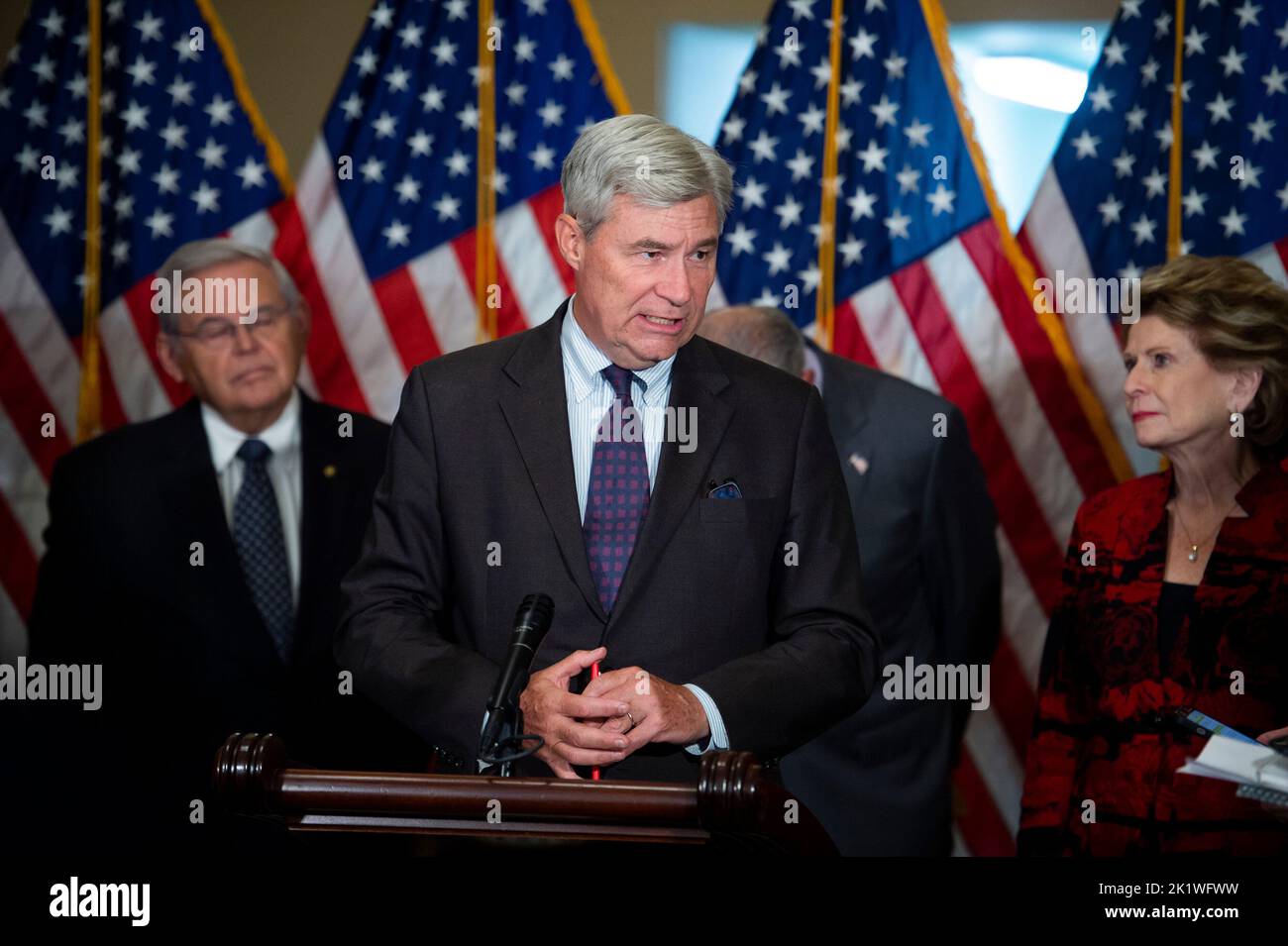
For 15 years, Senator Sheldon Whitehouse (D-RI) has stood alone on the Senate floor, delivering his now-famous “Time to Wake Up” speeches—over 300 and counting—with a prop showing Earth from space. While most politicians treat climate change as a distant environmental issue, Whitehouse has relentlessly framed it as an economic time bomb, one that’s already hitting Americans’ wallets through soaring home insurance premiums, energy bills, and property losses. His latest battle? Against what he calls “climate hushing”—the strategy of silencing climate discussions ahead of elections, even as the crisis deepens.
Whitehouse’s persistence isn’t just symbolic. Data shows 65% of Americans now say climate change is affecting their local community, with red states like Texas and Florida seeing insurance premiums surge 20-30% annually due to extreme weather. Yet as Whitehouse warns, the political and media establishment often downplays these connections—sometimes intentionally. His argument? The fossil fuel industry’s corruption isn’t just an environmental problem; it’s a bipartisan economic threat that demands accountability.
World Today Journal spoke with Whitehouse to explore why climate change has become a pocketbook issue, how “climate hushing” undermines solutions, and why his unrelenting focus on fossil fuel industry corruption could finally break the political deadlock. The conversation reveals a senator who refuses to treat climate as a partisan issue—and why that matters more than ever in an era of rising costs and corporate retreat.
Why This Story Matters
- Climate as a pocketbook issue: 92% of Texans cite home insurance costs as a concern—up 25% in 2023 due to climate-driven disasters.
- Corporate credibility crisis: 73% of Americans distrust business leaders on climate action, with net-zero pledges often lacking enforcement.
- Media suppression: U.S. TV networks cut climate coverage by 35% in 2023, despite public demand.
- Bipartisan frustration: Polls show 72% of Republicans support regulating carbon emissions to reduce pollution—without using “climate change” language.
From Polar Bears to Pocketbooks: How Climate Change Became an Economic Crisis
When Whitehouse entered the Senate in 2007, climate change was still a bipartisan concern. But after the Citizens United ruling in 2010 unleashed unlimited dark money into politics, the fossil fuel industry systematically crushed Republican opposition. “They turned climate into a partisan issue by design,” Whitehouse says. “Now, the only way to break the logjam is to stop treating it like a debate and start treating it like a fraud investigation.”
His latest target? Climate hushing—the strategy of advising Democrats to avoid mentioning climate ahead of elections, even as its economic impacts grow. “It’s like saying, ‘Don’t talk about the elephant in the room because it’s making people uncomfortable,’” Whitehouse argues. “The elephant is costing Americans billions in insurance claims, energy bills, and lost property values.”
Whitehouse points to Florida’s $32 billion in lost home values last year—more than any other state—as proof. “When your home insurance gets canceled because of hurricanes, or your electric bill doubles because of fossil fuel price-gouging, that’s not a distant environmental problem,” he says. “That’s a check you write every month.”
Why “Climate Hushing” Is Backfiring
Some pollsters and strategists argue Democrats should focus on “affordability” without mentioning climate. But Whitehouse calls this missing the punchline. “If you just say, ‘Energy bills are too high,’ you’re not explaining why,” he says. “The reason is that the fossil fuel industry has corrupted government to keep clean energy off the grid—and that’s a story people can get behind.”

Data supports his claim:
- 92% of Texans rank home insurance as a top concern—higher than groceries or healthcare.
- 66% of Texans link rising insurance costs to climate-driven extreme weather.
- Electricity prices in fossil fuel-dependent states rose 15% faster than in states with renewable energy growth.
Whitehouse’s solution? Stop treating climate as a feeling and start treating it as a fraud. “The villains here are central-casting quality,” he says. “We have a fossil fuel industry that runs a climate denial operation, funds dark money to corrupt politics, and then blames consumers for the mess. That’s a story even Republicans can hate.”
The Villain We’re Not Talking About
Whitehouse’s frustration isn’t just with politicians—it’s with the climate movement itself. “We’ve spent years talking about ‘ambition’ and ‘green jobs’ while the real story was being drowned out,” he says. “The real story is that the American government has been corrupted by the fossil fuel industry, and people get that.”
Recent polling shows:
- 72% of Republicans support regulating carbon emissions to reduce pollution—without using “climate change” language.
- 65% of Americans overall say climate change is affecting their local community.
- 73% distrust business leaders on climate action, citing empty net-zero pledges.
Whitehouse’s critique extends to corporate “greenwashing.” “We’ve been satisfied with ‘ambition’ instead of action,” he says. “But ambition without a price on carbon is like saying you’ll run a marathon while eating donuts. Nobody believes it.”
Media Suppression vs. Public Demand
Despite the crisis, media coverage of climate change has dropped 35% in 2023, with right-wing networks like Sinclair leading the charge. But Whitehouse’s experience suggests the public is hungry for this coverage. When Sinclair asked him to discuss home insurance and climate risk, his team braced for a “hatchet job”—only to find the network kept rebroadcasting the segments because they drew clicks.
“They don’t like the topic, but they can’t resist the audience,” Whitehouse says. “The media thinks people don’t care, but the truth is, climate is landing in their mailboxes as non-renewal notices and electric bills. The question is: Will the media finally meet the demand?”
The Bipartisan Opportunity
Whitehouse’s strategy isn’t about persuading climate deniers—it’s about exposing the economic fraud that benefits them. “When people see their insurance premiums skyrocket or their home values plummet, they don’t care about your tribal identity,” he says. “They care about getting screwed—and that’s a feeling Republicans can relate to.”
He points to Louisiana’s land loss—where coastal communities are disappearing at rates of a football field every 100 minutes—and Florida’s $32 billion in lost property values. “The fossil fuel industry can’t keep lying forever,” he says. “When the cost of doing nothing becomes too high, even their base will defect.”
What’s Next?
Whitehouse’s next target? Holding the fossil fuel industry accountable for its corruption of government. He’s pushing for:
- A price on carbon to end fossil fuel subsidies.
- Stronger climate disclosure rules for corporations.
- Investigations into fossil fuel industry fraud in climate denial campaigns.
As for his own persistence? “If I had a motto, it would be ‘Persist through frustration,’” he says. “This isn’t about winning an argument. It’s about exposing a fraud—and when the truth finally catches up, it’s going to be ugly for the people who’ve been lying.”
What Happens Next?
Whitehouse’s next major push is the Fossil Fuel Industry Accountability Act, which aims to:
- Ban fossil fuel lobbyists from influencing climate policy.
- Require disclosure of dark money funding climate denial.
- Hold executives accountable for fraudulent climate claims.
The bill’s next hearing is scheduled for September 12, 2024 before the Senate Environment Committee. Whitehouse has vowed to keep delivering his “Time to Wake Up” speeches until Congress acts—or until the economic impacts force action.
Your turn: How should politicians frame climate change to win over skeptics? Share your thoughts in the comments—or contact us to suggest a follow-up story on corporate climate accountability.
Share this story:



Keep reading