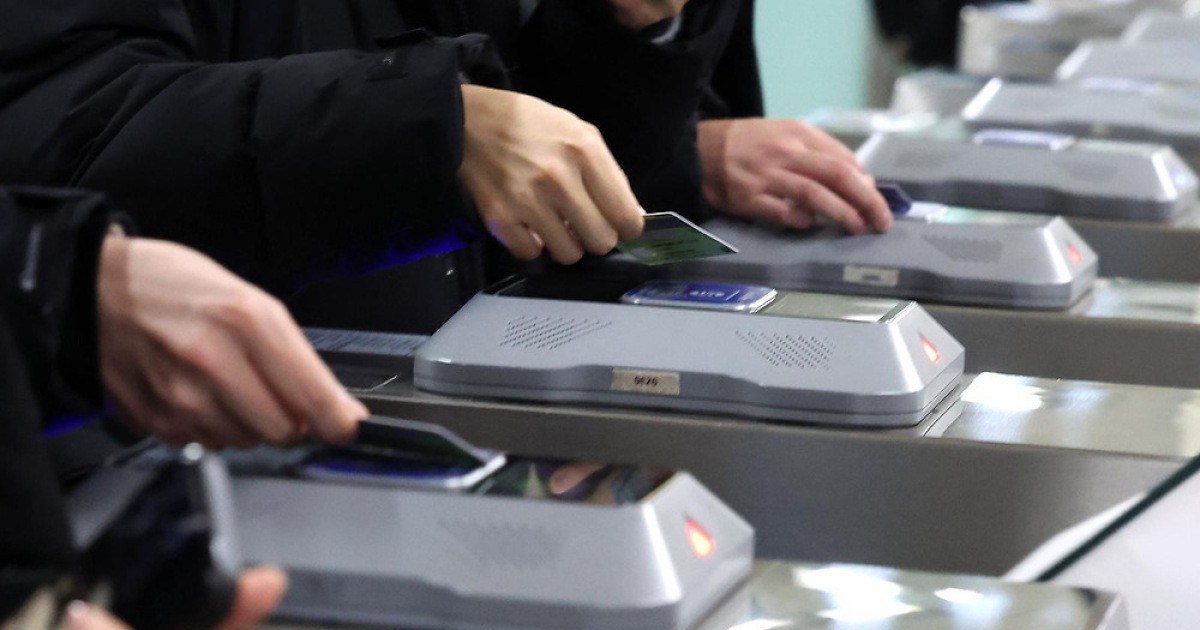
South Korea’s urban transit systems are facing a deepening financial crisis as a rapidly aging population pushes free ride policies to a breaking point. Seoul Metro, representing six major city railway operators across the country, has issued a formal request to the South Korean government for 576.1 billion won in state funding to cover losses stemming from free travel for senior citizens and national merit recipients.
The request, delivered via official documents on April 9, targets four key government bodies: the Ministry of Economy and Finance, the Ministry of Land, Infrastructure and Transport, the Ministry of Health and Welfare, and the Ministry of Patriots and Veterans Affairs. This move marks a significant escalation in the dispute, as it is the first time the operators have specified a precise monetary figure for reimbursement rather than requesting general support according to industry reports.
The financial pressure is driven by a demographic shift that is fundamentally altering the ridership profile of the nation’s urban rail networks. Current data indicates that 21% of all passengers are now traveling for free, and projections suggest this figure will climb to 29% by the year 2040 as reported by Daum. For operators, this creates a widening gap between the cost of providing essential public transport and the revenue generated from fare-paying passengers.
The requested 576.1 billion won represents approximately 74.3% of the total 775.4 billion won in free-ride losses recorded by the six city railway operators last year. By targeting this specific percentage, Seoul Metro is seeking parity with Korail, the national railway operator, which has historically received government subsidies for similar services.
The “Korail Standard” and the Fight for Equity
The core of the current dispute lies in what the operators describe as an unfair disparity in how different rail entities are funded. Under the Framework Act on the Development of the Railway Industry, Korail has received substantial state support for its free transport obligations. Between 2016 and 2024, Korail was reimbursed 1.6634 trillion won, which constitutes 74.3% of the 2.2389 trillion won in losses it incurred over those nine years per reports from Nate News.
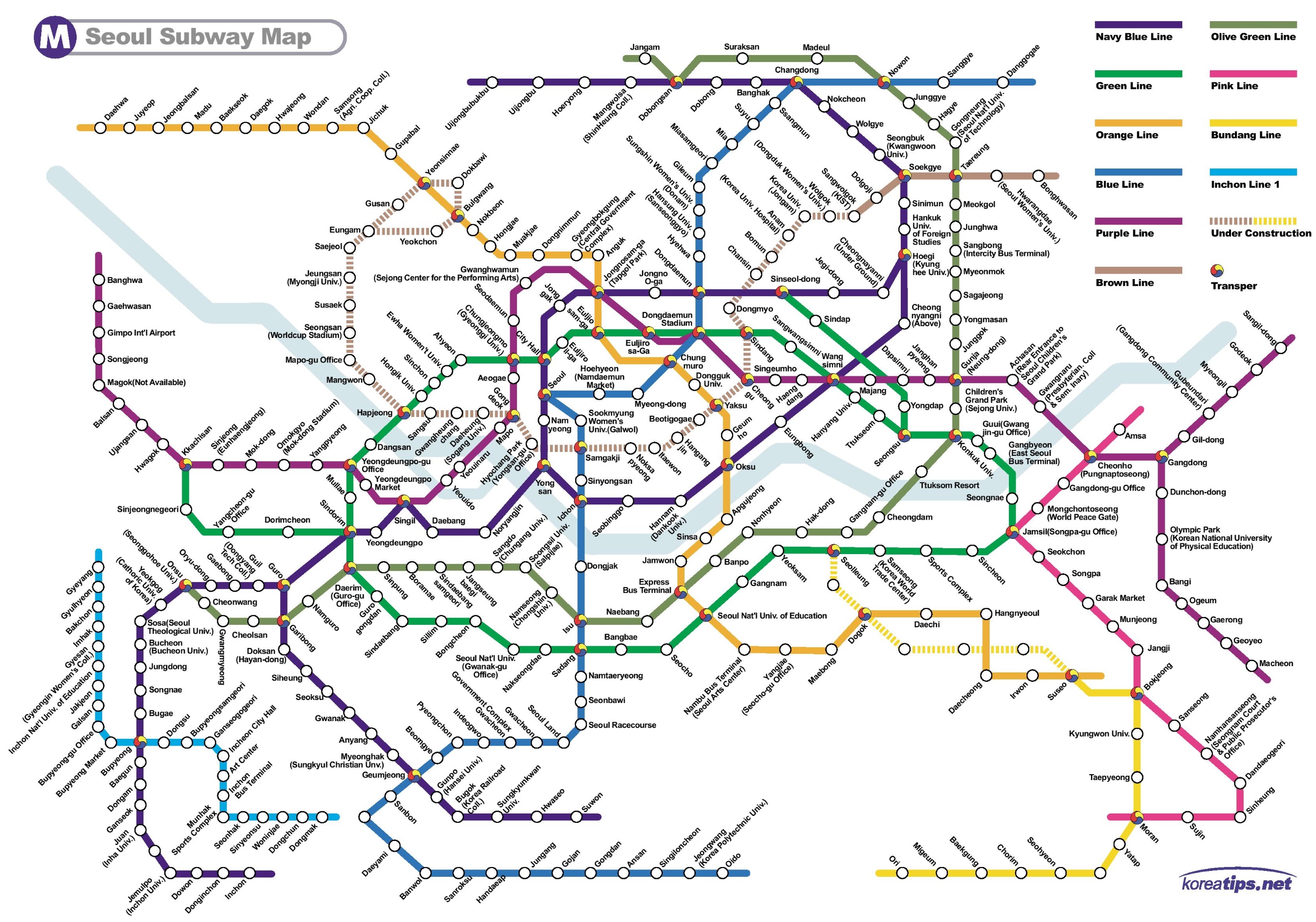
Seoul Metro argues that because city railways and Korail often operate on the same network and provide the same free-ride services to the same passengers, the financial burden should be shared using the same criteria. The operators maintain that they can no longer sustain these losses using their own internal budgets, especially as the “super-aging” society increases the volume of eligible free riders.
The financial trajectory for these operators has deteriorated sharply in recent years. In 2021, the total losses from free rides across the six city railway agencies were 471.5 billion won. By last year, that figure had surged by 64.5%. This trend has a direct impact on the bottom line; the proportion of free-ride losses relative to the operators’ net losses expanded from 29.3% in 2021 to 52.1% last year according to financial data provided by the industry.
Legal Action Against the Ministry of Patriots and Veterans Affairs
While the broad request for 576.1 billion won addresses the general aging population and merit recipients, Seoul Metro is also pursuing a more targeted legal strategy. The company has filed a civil lawsuit against the Ministry of Patriots and Veterans Affairs, specifically demanding the reimbursement of 3.7 billion won related to free rides provided to national merit recipients as detailed by MSN.
This litigation underscores the operators’ insistence that the government—rather than the transit agencies—should bear the cost of social welfare policies. The first court hearing for this specific civil case is scheduled for April 15, 2026 per Daum reports.
Key Financial Impacts at a Glance
| Metric | 2021 Data | Recent/Projected Data |
|---|---|---|
| Total Free-Ride Losses (6 Operators) | 471.5 Billion Won | 775.4 Billion Won (Last Year) |
| Losses as % of Net Loss | 29.3% | 52.1% |
| Free Passenger Share | – | 21% (Current) $rightarrow$ 29% (by 2040) |
| Requested State Subsidy | – | 576.1 Billion Won (74.3% of losses) |
The Broader Economic Implication of “Super-Aging”
The crisis facing Seoul Metro is a microcosm of a larger economic challenge facing South Korea. As one of the fastest-aging societies in the world, the pressure on public infrastructure to provide “transportation welfare” is colliding with the fiscal reality of declining fare revenue.
The operators have warned that if legislation to formalize these subsidies is delayed, the sustainability of these welfare services is at risk. The request for 576.1 billion won is framed as a necessary intervention to ensure that the city’s transit system remains operational and accessible while the government decides on a long-term legislative framework for funding.
The dispute highlights a fundamental tension in urban planning: the balance between maintaining a high standard of social welfare for the elderly and ensuring the financial solvency of the agencies that provide those services. With over half of the net losses in city rail now attributed to free rides, the industry argues that the “welfare” aspect of the service has transitioned from a manageable cost to a systemic financial risk.
The next critical checkpoint in this unfolding situation is the first court hearing on April 15, 2026, regarding the 3.7 billion won claim against the Ministry of Patriots and Veterans Affairs. This ruling could set a legal precedent for how future free-ride losses are categorized and reimbursed by the state.
We invite our readers to share their thoughts on the balance between public welfare and infrastructure solvency in the comments below.