Combating Neonatal Sepsis: A New Approach to Saving Lives in Africa
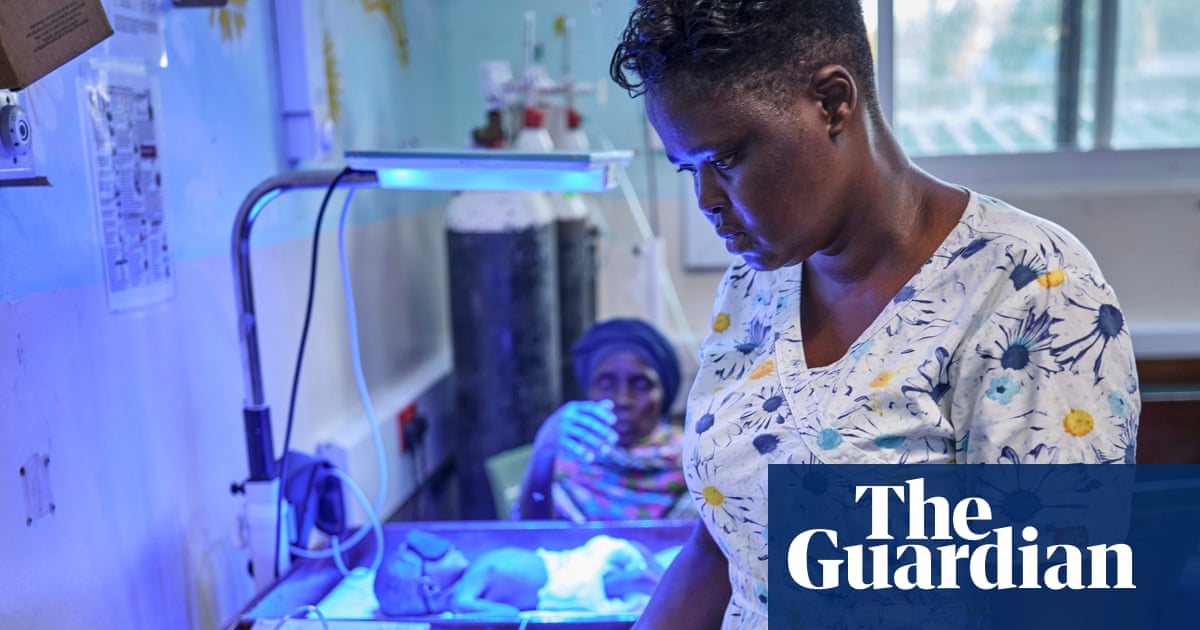
Neonatal sepsis, a life-threatening infection in newborns, remains a important challenge, especially in Africa. Identifying the specific bacteria causing the infection is a critical first step, yet current diagnostic methods can take up to five days to yield results. This delay can be devastating for vulnerable infants, highlighting the urgent need for faster, more effective solutions.
Fortunately, a groundbreaking project is underway to dramatically improve the treatment of neonatal sepsis. This initiative, known as NeoSep1 and part of the larger Snip-Africa consortium, is uniting healthcare professionals across multiple disciplines. Their shared goal is to pinpoint the most effective and safest antibiotic combinations for newborns battling sepsis.
The Challenge of Antibiotic Resistance
currently, doctors frequently enough rely on broad-spectrum antibiotics when treating suspected sepsis. While this approach can be life-saving, it also contributes to the growing problem of antibiotic resistance. Unnecessary antibiotic exposure allows bacteria to evolve, making future infections harder to treat.
This is where NeoSep1 aims to make a significant impact. By precisely identifying the causative bacteria and the antibiotics most likely to work, healthcare providers can minimize unnecessary drug use. This targeted approach not only improves patient outcomes but also helps preserve the effectiveness of vital antibiotics for future generations.
How NeoSep1 Works: A Ranking System for Antibiotics
The project focuses on ranking eight different antibiotic combinations. Researchers are meticulously testing these combinations against various bacteria and fungi commonly found in neonatal infections. This rigorous process will determine which treatments offer the best balance of efficacy and safety for each individual baby.
Here’s a breakdown of the key steps:
* Rapid identification: Streamlining the process of identifying the specific bacteria causing the infection.
* Antibiotic Ranking: Determining the most effective and safest antibiotic combinations.
* Personalized Treatment: Tailoring treatment plans to each newborn’s specific infection.
* guideline Revision: Informing national and international health organizations to update treatment protocols.
A Game-Changer for Newborn Health
The potential impact of NeoSep1 is immense. Once the ranking results are finalized, the project team plans to share their findings with the World Health Organization and national governments. This will pave the way for revised guidelines,ensuring that healthcare providers have access to the most up-to-date facts.
Imagine the relief for parents when their sick baby responds positively to treatment. Alexander Makazi, a researcher involved in the project, vividly recalls the joy of witnessing a baby regain the strength to breastfeed after successful treatment. These moments serve as a powerful reminder of the real-world impact of this vital work.
Ultimately, NeoSep1 represents a paradigm shift in the fight against neonatal sepsis.it’s a collaborative effort driven by a commitment to saving lives and protecting the future of antibiotic effectiveness. If successful, this project will not only improve outcomes for newborns in Africa but also serve as a model for tackling this global health challenge. You can be assured that this is a step towards a healthier future for vulnerable infants worldwide.