Tailoring Immunotherapy to Sepsis: A New Approach to Personalized Critical Care
Sepsis remains a leading cause of mortality worldwide, and despite advances in critical care, treatment strategies often yield inconsistent results. Recent research highlights a crucial factor driving this variability: the individual immune profile of each patient. Specifically, a novel approach called “Hi-DEF” (Host-directed Early Functional assessment) is emerging as a powerful tool for identifying which patients will benefit from immunomodulatory therapies like hydrocortisone.
This article will delve into the findings surrounding Hi-DEF, explaining how it can help personalize sepsis treatment and perhaps improve outcomes. We’ll explore how understanding your immune response can dramatically alter the course of care.
Understanding Immune Dysregulation in Sepsis
Traditionally, sepsis treatment has focused on broad-spectrum antibiotics and supportive care.Though, sepsis isn’t a single disease; it’s a dysregulated host response to infection. This dysregulation manifests differently in each patient, with some exhibiting predominantly lymphoid (white blood cell) dysfunction and others showing myeloid (another type of white blood cell) abnormalities.
Identifying these differences is key, as research demonstrates that a “one-size-fits-all” approach to immunotherapy isn’t effective. You need to know how your immune system is failing to respond to the infection.
Hi-DEF: A Personalized Approach
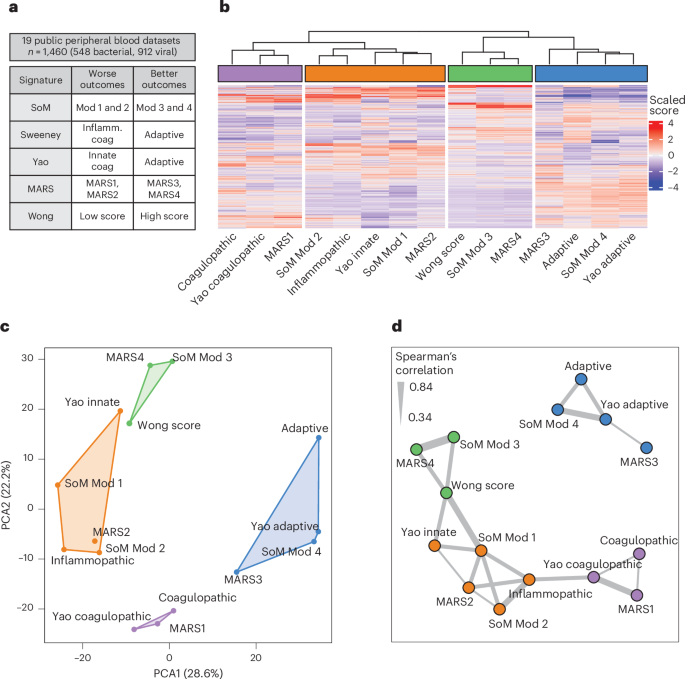
Hi-DEF utilizes RNA expression data to assess the degree of lymphoid and myeloid dysregulation. Essentially, it provides a snapshot of your immune system’s activity at the time of sepsis onset. This allows clinicians to move beyond simply identifying the presence of infection and instead focus on how your body is reacting to it.
Several recent trials have demonstrated the power of this approach:
* SAVE-MORE Trial: Patients with high lymphoid dysregulation who received hydrocortisone experienced significantly lower mortality rates (11%) compared to those receiving a placebo (39%).
* VICTAS Trial: Similar benefits were observed in this trial, with hydrocortisone proving effective only in patients exhibiting high lymphoid dysregulation.
* VANISH Cohort: Interestingly, this trial revealed a different pattern. Here, hydrocortisone was associated with increased mortality in patients with low lymphoid dysregulation. This highlights the importance of accurately identifying your immune profile before initiating treatment.
These findings consistently demonstrate that the effect of hydrocortisone isn’t universal. It’s beneficial for some, harmful for others, and the key determinant is the degree of lymphoid dysregulation.
Why the Variability? Lymphoid vs. Myeloid Dysfunction
The research consistently shows that the benefits or harms of hydrocortisone are linked to lymphoid dysregulation,not myeloid dysfunction.
* Lymphoid dysregulation often involves impaired lymphocyte function,hindering the body’s ability to mount an effective adaptive immune response. In these cases, hydrocortisone can help restore immune balance.
* Myeloid dysregulation involves issues with the innate immune system, often characterized by excessive inflammation. Hydrocortisone may not be effective – and could even be detrimental – in these scenarios.
Implications for Clinical Practice
These findings have notable implications for how we approach sepsis treatment. Hi-DEF offers the potential to:
* Reduce treatment heterogeneity: By identifying responders and non-responders to immunotherapy.
* Optimize immunomodulatory strategies: Ensuring patients recieve the right treatment at the right time.
* Improve patient outcomes: Ultimately, reducing mortality and morbidity associated with sepsis.
Currently, Hi-DEF is not yet standard of care, but its promise is driving further research and growth. As the technology becomes more accessible, it’s likely to become an integral part of personalized sepsis management.
looking Ahead
The future of sepsis treatment lies in precision medicine.Hi-DEF represents a significant step forward in this direction, offering a more nuanced and effective approach to immunomodulation. By understanding the unique immune profile of each patient, we can move beyond broad-spectrum therapies and deliver targeted interventions that truly improve outcomes.
You can expect to see continued research refining Hi-DEF and exploring its application to other critical illnesses characterized by immune dysregulation. This is an exciting time for the field, with the potential to revolutionize how we care for the most
Worth a look