
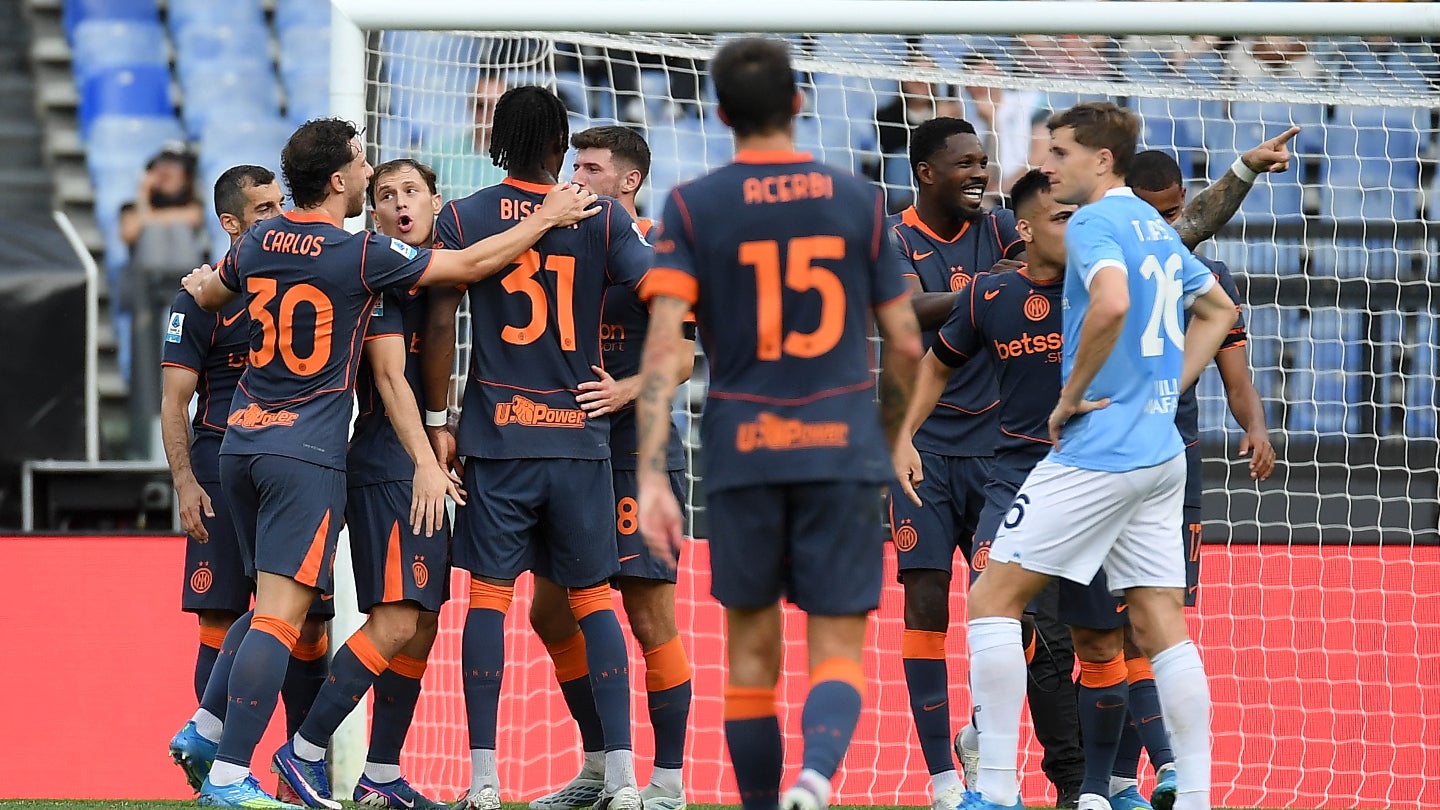
Italian football is aggressively pivoting toward the East. In a strategic move to amplify its global commercial footprint, Lega Serie A has appointed a new Serie A media rights consultant APAC to spearhead the league’s growth across the Asia-Pacific region. The appointment of Lars Heidenreich signals a determined effort by the Italian top flight to convert rising international interest into sustainable revenue and deeper brand penetration.
The move comes at a pivotal moment for the league, as it seeks to close the commercial gap with other major European competitions. By focusing on the Asia-Pacific market, Lega Serie A is targeting one of the most dynamic sports landscapes in the world, characterized by a passionate fanbase and a rapidly evolving digital broadcasting environment. This initiative is not merely about selling broadcast slots; it is a comprehensive play for Serie A international visibility and long-term market share.
Working through his specialized consulting firm, FSA Consult, Heidenreich is tasked with a mandate that extends far beyond traditional contract negotiations. His role involves a blend of strategic media development, the management of institutional relations, and the execution of initiatives designed to foster football fan engagement APAC. This multi-pronged approach reflects a modern understanding of sports media, where the “broadcast” is only one part of a larger ecosystem of content, and interaction.
The Strategic Imperative of the Asia-Pacific Market
For the 20 teams of the Italian top flight, the Asia-Pacific region represents more than just a secondary market; it is a cornerstone of the Lega Serie A global expansion strategy. The region offers a unique combination of established football passion in certain territories and untapped growth potential in others, making it an ideal laboratory for Italian football commercial growth.

The challenge for Serie A has historically been maintaining consistent visibility outside of Europe. While the quality of play remains world-class, the commercialization of those rights in Asia has often been fragmented. By appointing a dedicated consultant with deep regional roots, the league aims to implement a more cohesive APAC media rights strategy that can compete with the aggressive expansion tactics of the English Premier League and Spain’s La Liga.
This expansion is driven by the need to diversify income streams. As domestic rights markets reach a point of saturation, the ability to secure high-value broadcast rights Asia deals becomes essential. The goal is to create a virtuous cycle: increased visibility leads to more fans, which attracts bigger sponsors, which in turn provides the clubs with more resources to attract top talent, further increasing the product’s appeal.
Expertise in Sports Media Rights Consulting
The selection of Lars Heidenreich is a calculated move based on his extensive history within the sports media rights consulting sphere. Heidenreich brings a level of regional expertise that is tough to replicate, having spent years navigating the complex regulatory and commercial environments of various Asian markets. His previous tenure as Managing Director of Mediapro Asia provided him with an intimate understanding of how content is consumed and distributed across the region.

Through Lars Heidenreich FSA Consult, the league gains access to a network of broadcasters, digital platforms, and corporate stakeholders. This network is critical for navigating the “fragmented” nature of the APAC region, where a one-size-fits-all approach rarely works. Different countries require different distribution models—ranging from traditional linear television in some markets to mobile-first, over-the-top (OTT) streaming platforms in others.
Heidenreich’s experience allows Lega Serie A to move away from passive rights selling and toward active market development. This involves not only finding the highest bidder but identifying the partner best equipped to grow the league’s audience. The focus is on “sustainable growth,” ensuring that the league’s presence is integrated into the local sports culture rather than existing as a distant, foreign product.
Beyond the Screen: Institutional Relations and Brand Growth
One of the most critical aspects of this appointment is the emphasis on institutional relations in sports. The mandate for the new consultant includes managing relationships with sports governing bodies, government agencies, and commercial partners across the Asia-Pacific. This “top-down” approach is designed to clear regulatory hurdles and create a welcoming environment for Italian football brands.
the league is looking to deepen its sports commercial footprint through strategic partnerships that go beyond the 90 minutes of a match. This could include youth academies, exhibition matches, and digital content series that highlight the culture and heritage of Italian football. By building a holistic brand experience, Serie A can create a more emotional connection with the APAC audience.
The integration of digital initiatives is also paramount. In an era where Gen Z and Millennial fans consume sports in short-form clips and interactive streams, the league’s strategy must evolve. Heidenreich’s role involves spearheading media initiatives that leverage social media and emerging technologies to keep fans engaged between matchdays, effectively turning the league into a year-round entertainment product.
Key Objectives for the APAC Expansion
To understand the scale of this ambition, it is helpful to look at the specific goals the league is pursuing in the region:
- Revenue Optimization: Increasing the valuation of media rights through competitive bidding and strategic bundling of content.
- Audience Acquisition: Expanding the active viewer base by optimizing distribution channels and localized marketing.
- Brand Equity: Positioning Serie A not just as a league, but as a premier global sports brand associated with prestige and tactical excellence.
- Strategic Partnerships: Establishing long-term alliances with regional tech giants and sports conglomerates to facilitate digital growth.
Analyzing Global Football Market Trends
The appointment of a regional specialist is a response to broader global football market trends. The “European Substantial Five” leagues are no longer competing solely against each other for viewers; they are competing against a variety of entertainment options and the rise of localized leagues in Asia and North America.
The trend is moving toward “localization.” Leagues that succeed internationally are those that can make a fan in Seoul, Tokyo, or Sydney feel as connected to the action as a fan in Milan or Rome. This requires localized commentary, region-specific scheduling, and content that resonates with local cultural nuances. By utilizing a consultant who understands these intricacies, Lega Serie A is attempting to bypass the learning curve that often plagues Western organizations entering Eastern markets.
the shift toward direct-to-consumer (DTC) models is changing the landscape of Asia-Pacific sports broadcasting. Many fans are moving away from expensive cable packages in favor of flexible streaming options. The ability to navigate these shifts—balancing the guaranteed revenue of a traditional broadcast deal with the growth potential of a digital platform—will be the primary challenge for the league’s APAC strategy.
As Lega Serie A continues to refine its international approach, the success of this appointment will likely be measured by two metrics: the increase in the value of the next rights cycle in the region and the measurable growth in digital engagement across Asia-Pacific territories.
The next official update regarding the league’s international commercial milestones is expected during the next general assembly of the member clubs, where the progress of global expansion strategies is typically reviewed.
Do you think Serie A can successfully compete with the Premier League for dominance in the Asian market? Share your thoughts in the comments below or share this article with your fellow football enthusiasts.